
It’s a game of the gods. Some say it’s the origins of football. But the way I see it, kemari is an ancient rite in which participants kick a ball to each other with the intention of not letting … Read the rest
It’s a game of the gods. Some say it’s the origins of football. But the way I see it, kemari is an ancient rite in which participants kick a ball to each other with the intention of not letting … Read the rest
The town of Uji, south-east of Kyoto, was once a place of aristocratic villas set along the Ujigawa river. A bridge was built across it in 646, making it one of the oldest known bridges in Japan. Battles were … Read the rest
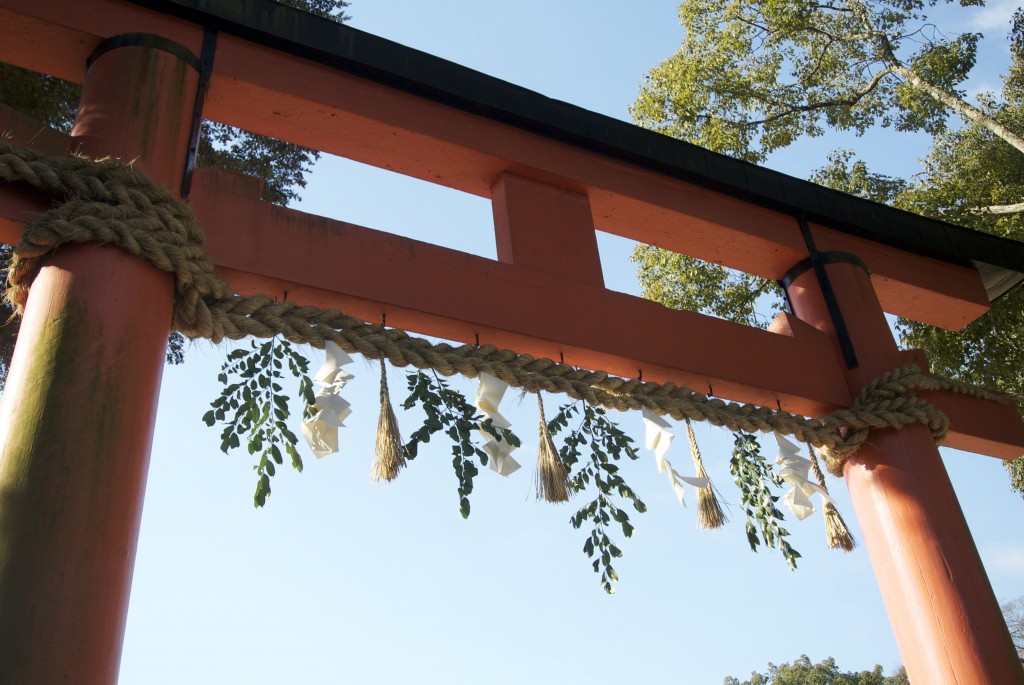
My first shrine visit of the year was to Kamigamo Shrine in north Kyoto, a World Heritage Shrine and set amidst pleasant open grassland and woods. It dates back before Kyoto was founded in 794, but such is its … Read the rest
The true soul of Japan is neither Shinto nor Buddhist. It’s Shinto-Buddhist. Until the artificial split of early Meiji times, the country had more than 1000 years of happy syncretism. Born Shinto, die Buddhist is still the Japanese way.
Shinto … Read the rest
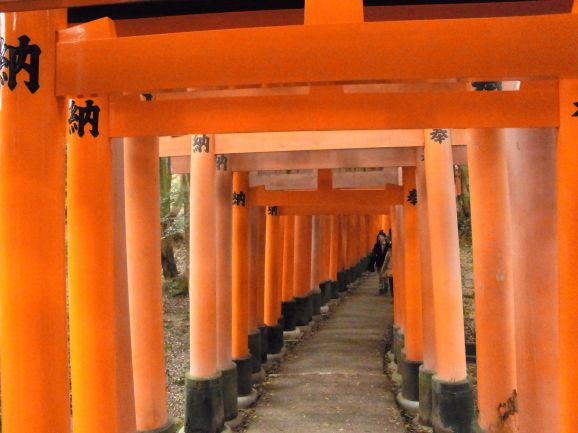 PHOTO BY MASA
Picture of the day on Japan Today. Instantly recognisable as Kyoto’s Fushimi Inari, and without doubt my favourite place in the city. The caption for the picture runs as follows:
… Read the restFushimi Inari Shinto Shrine in Kyoto.
My local shrine at Shimogamo has been busily doing itself up in recent years to appeal to tourists, and I was impressed on visiting one of its subshrines, Kawai Jinja, at the transformation that had taken place. A new lick … Read the rest
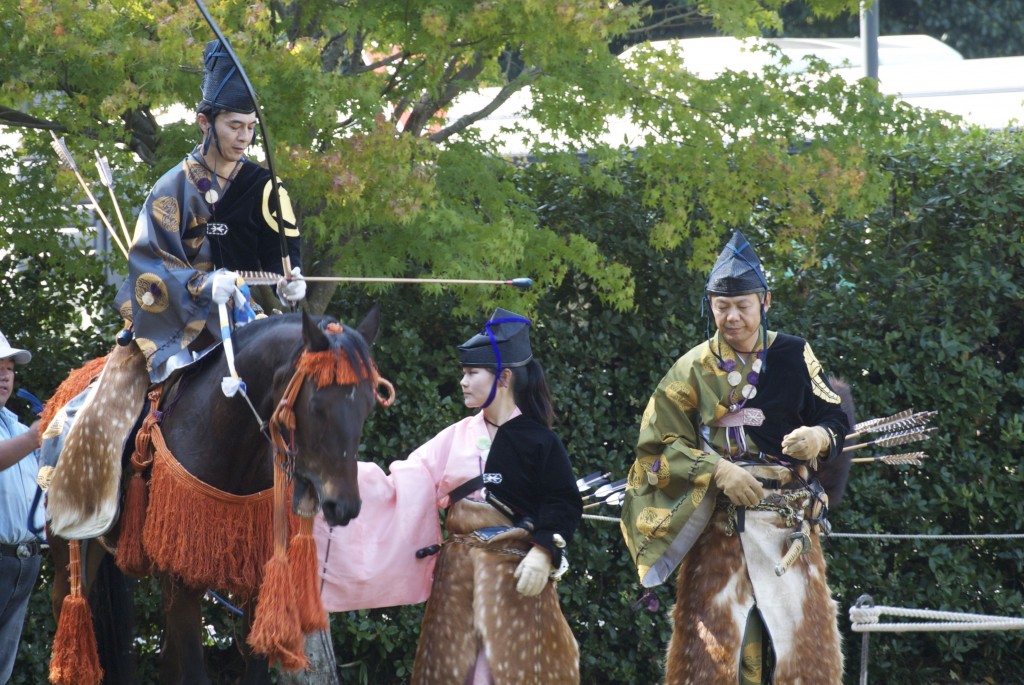
 There are three shrines among Kyoto’s World Heritage designation, of which the twinned pair of Shimogamo and Kamigamo are two. The third is Ujigami Jinja outside the city proper, which has the oldest shrine building in Japan. Its honden, where … Read the rest
© 2026 Green Shinto
Theme by Anders Norén — Up ↑