
(first posted 2010)
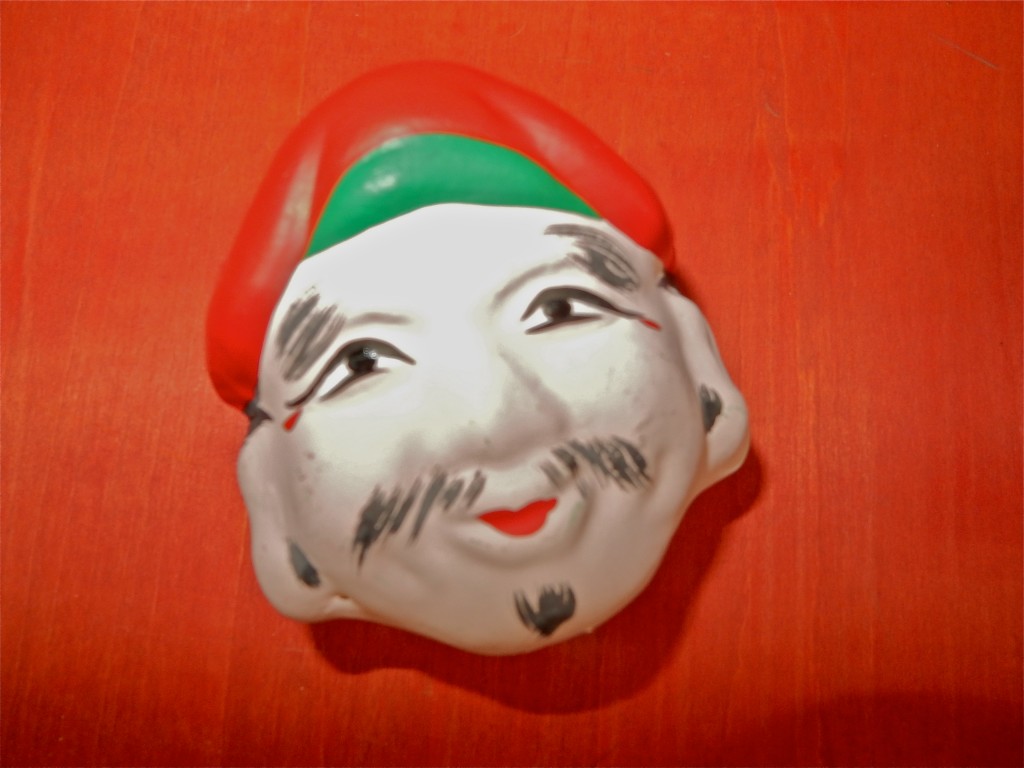
The folk deity Ebisu is at the centre of the businessman’s festival of Toka Ebisu
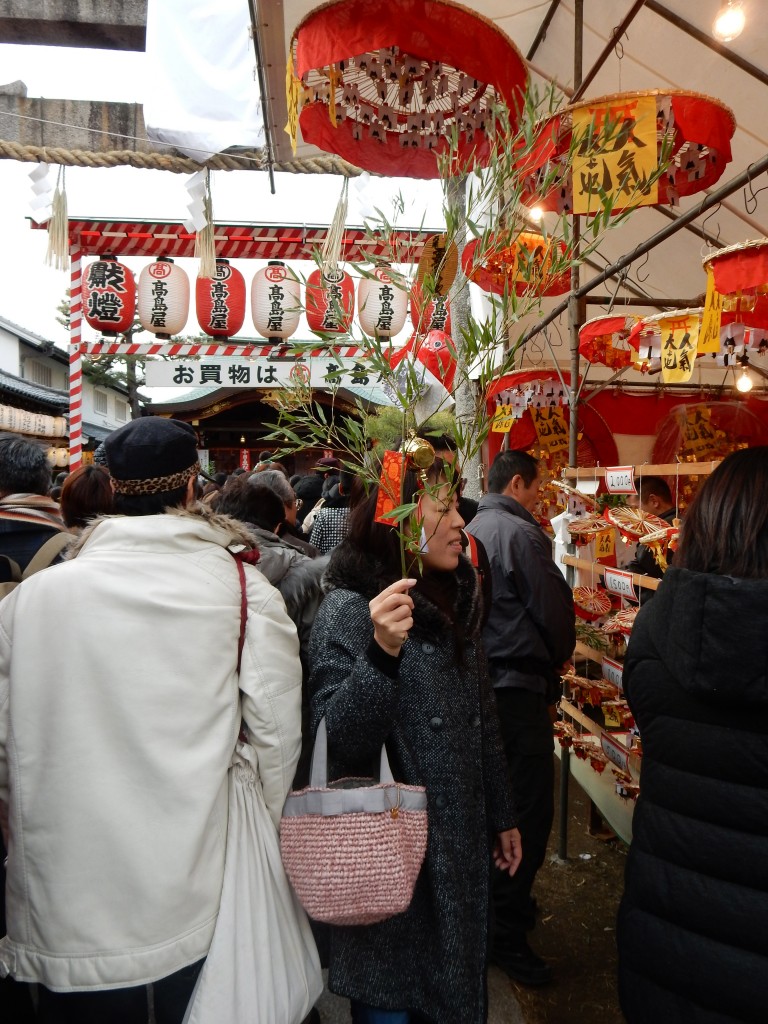
The approach to Kyoto’s Ebisu Jinja is down narrow streets of stalls and jostling crowds
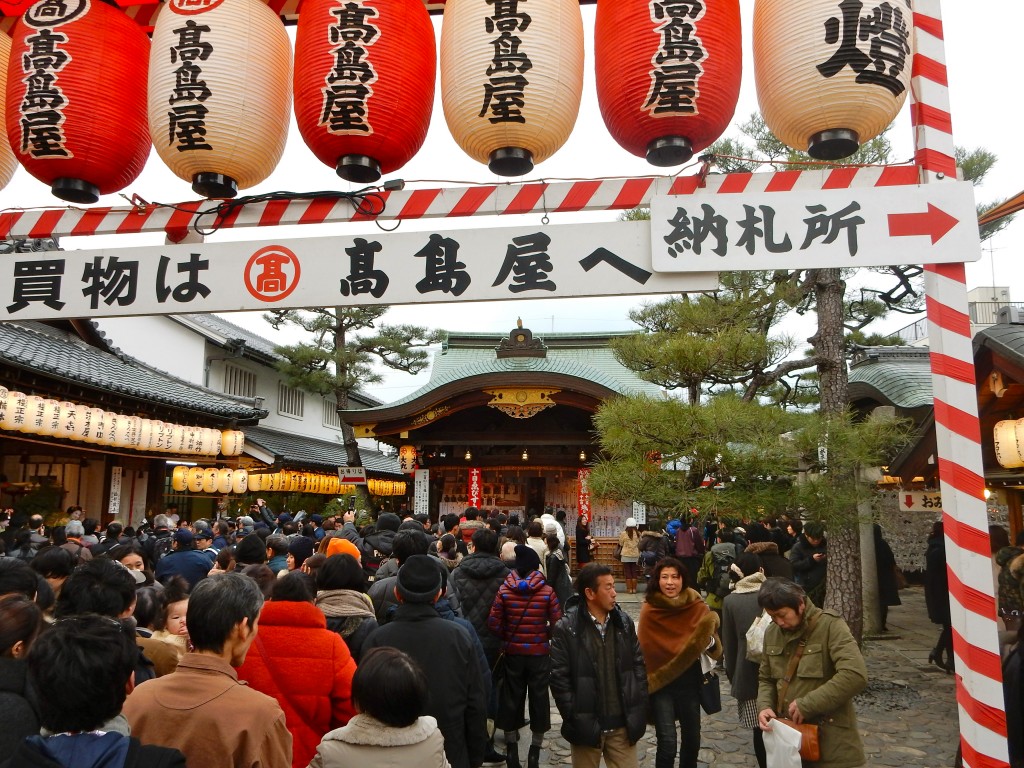
The small shrine compound is packed, with … Read the rest
The folk deity Ebisu is at the centre of the businessman’s festival of Toka Ebisu
The approach to Kyoto’s Ebisu Jinja is down narrow streets of stalls and jostling crowds
The small shrine compound is packed, with … Read the rest
Shirakumo Jinja
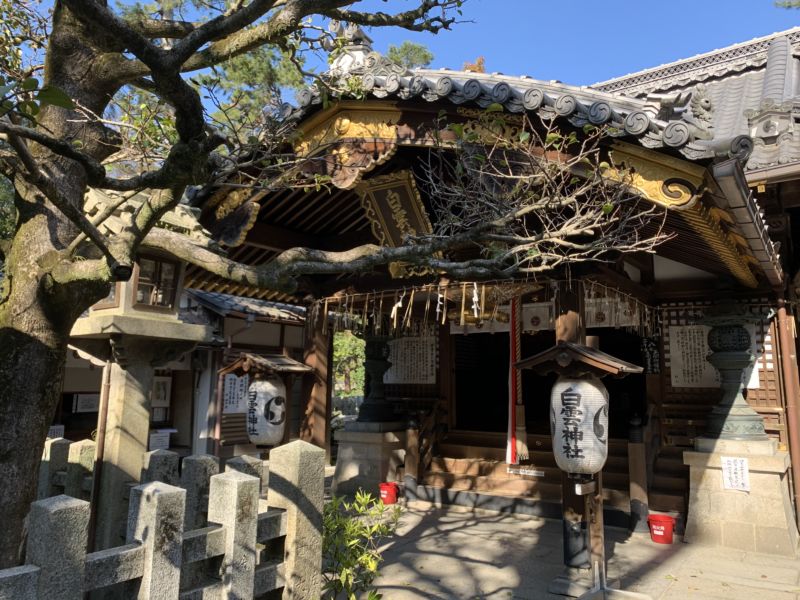
Shirakumo Shrine in Gosho, like the nearby Itsukushima Shrine, is linked with Benzaiten (also known as Benten). The reason, … Read the rest
Itsukushima Jinja
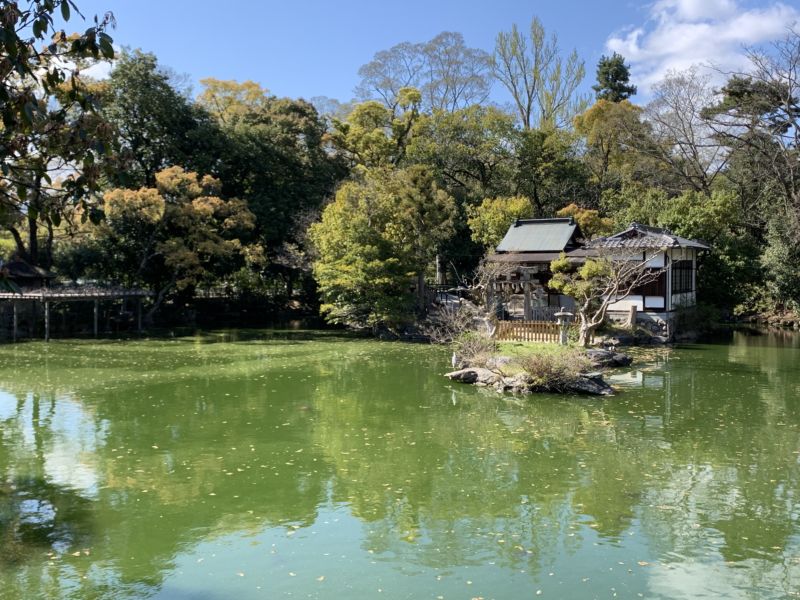
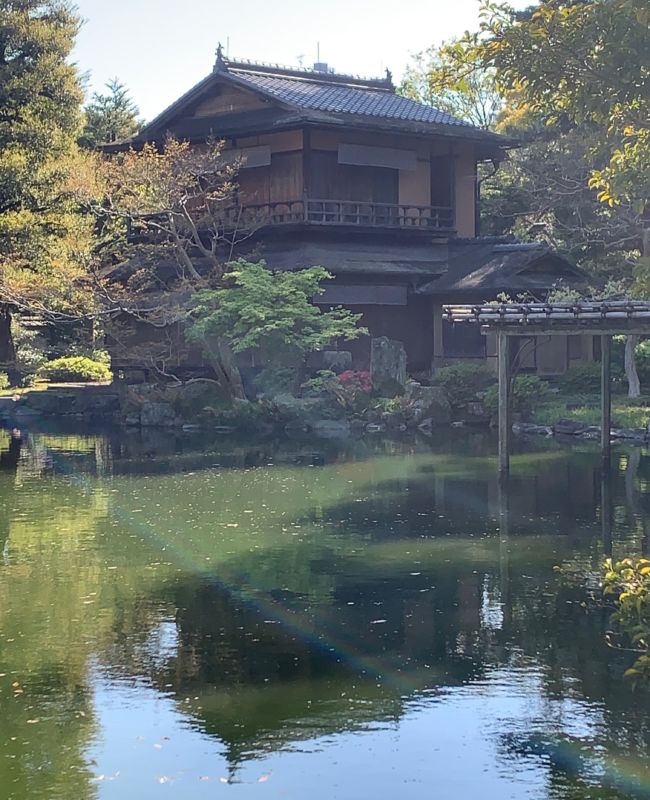
There’s an attractive pond area in the south-west of the Gosho park which contains a shrine for Benzaiten … Read the rest
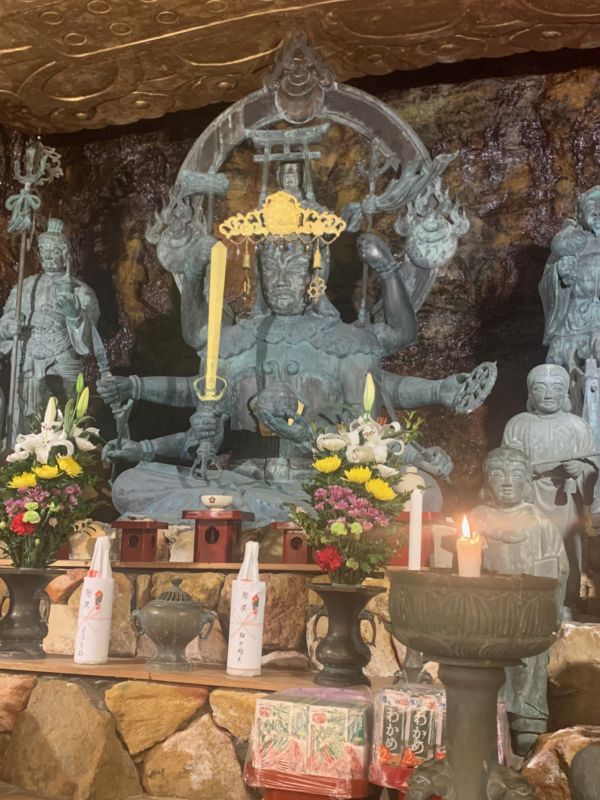
The Seven Lucky Gods are one of the most notable features of folk religion in Japan, spanning the artificial divide between Shinto and Buddhism. The most appealing of the seven for those … Read the rest
The academic Michael Pye is known for his work on Buddhist pilgrimages, though in his book on the subject he devotes a chapter to consideration of comparable Shinto practices. The piece below is an abridged version of a paper … Read the rest
Kyoto is an extraordinarily busy place. No sooner has the busy shrine-going of New Year finished than the city is immersed in activities for Toka Ebisu (on the tenth day of the year). Ebisu is one of the most popular … Read the rest
There are so many festivities around the New Year period, and Kyoto is an unceasing round of events in the early part of January. One of the biggest events is Toka Ebisu, on which Green Shinto has reported before. … Read the rest
© 2026 Green Shinto
Theme by Anders Norén — Up ↑