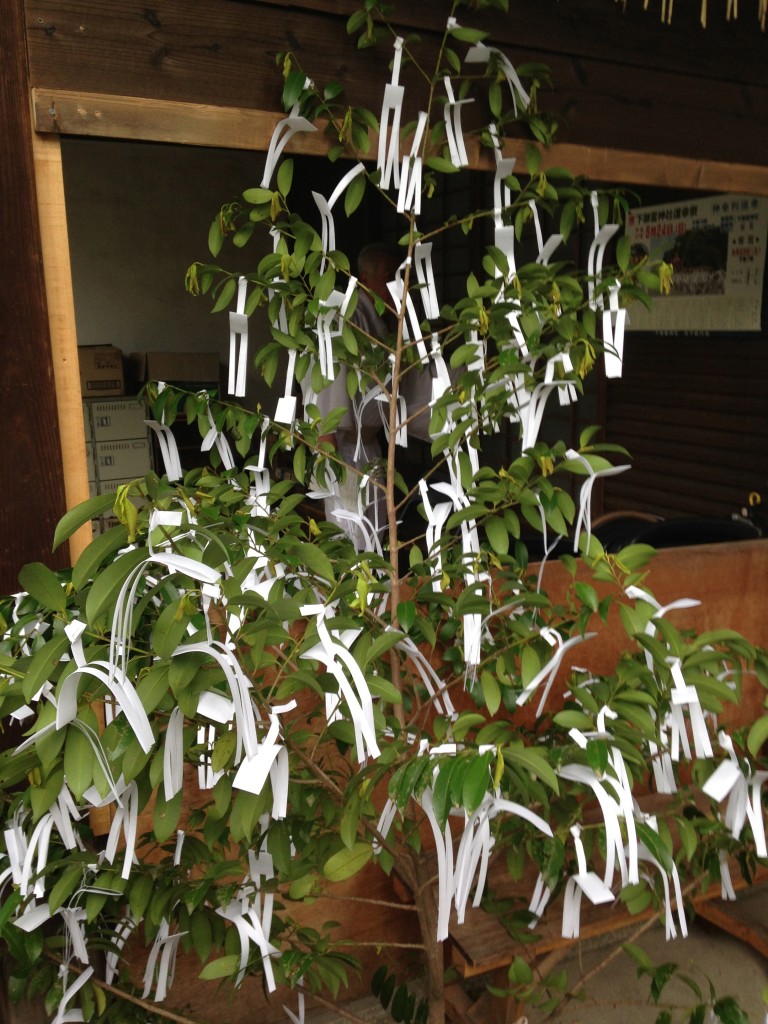
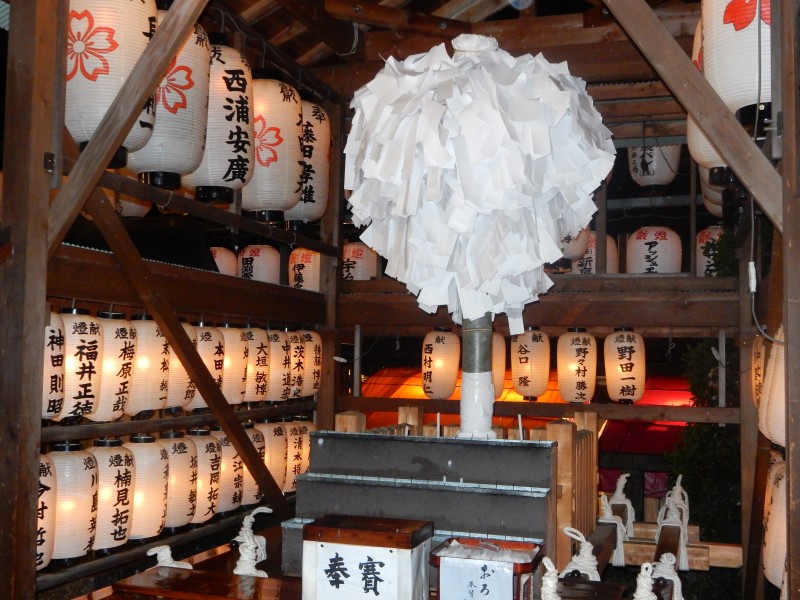
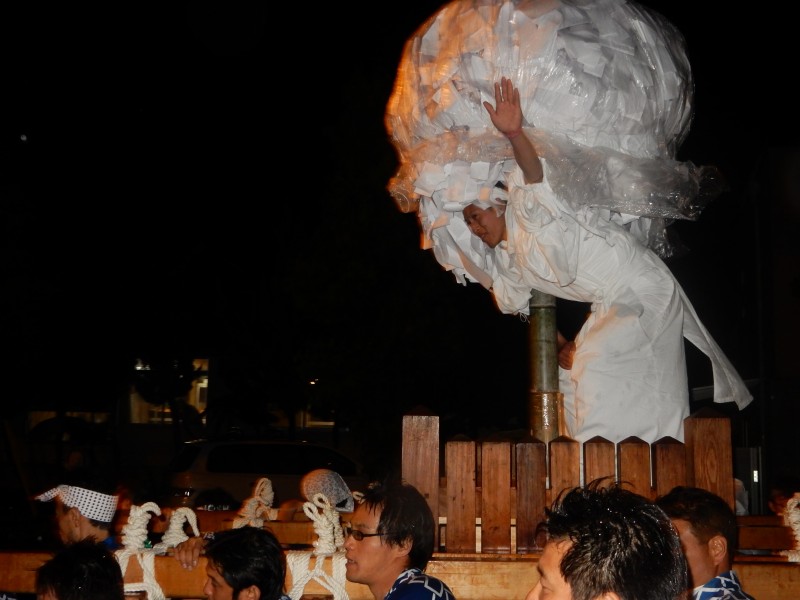
At the centre of the festivities is Bonten, represented by this bamboo pole and white streamers. Bonten was originally a Hindu deity who acted as a protector for Buddha, and Agata Shrine is the protective shrine for Byodo-in.
Uji City lies to the south-east of Kyoto and is well-known for its green tea. In Heian times the area acted as a resort for the aristocracy, and it features as the setting for the last part of Genji Monogatari. It is known too for the World Heritage site of Byodo-in, an exquisite Amida Hall and pond garden.
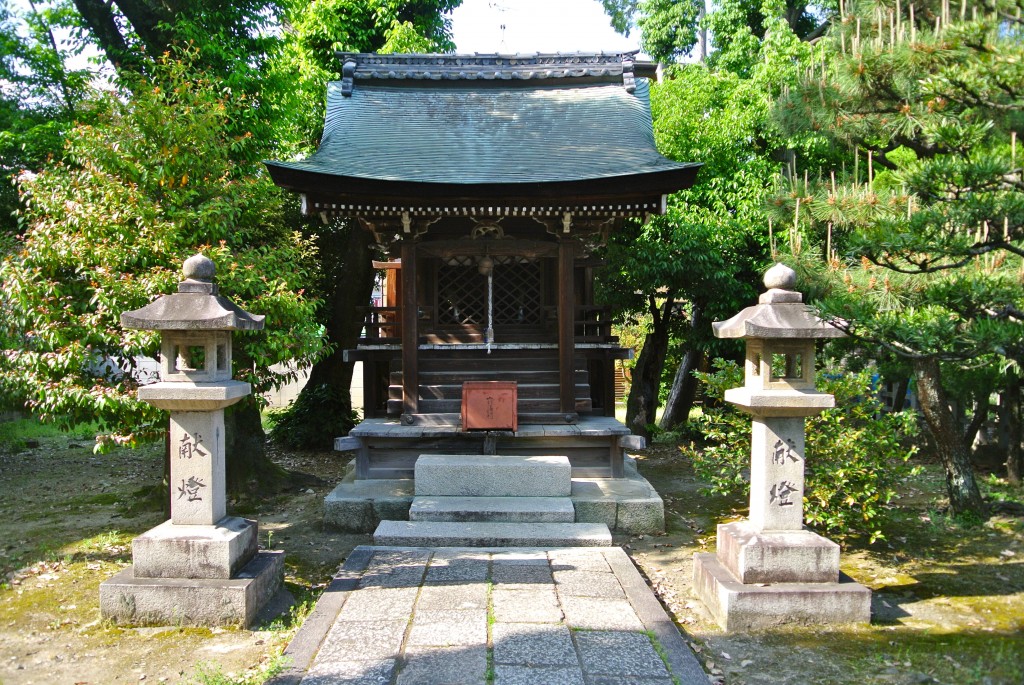
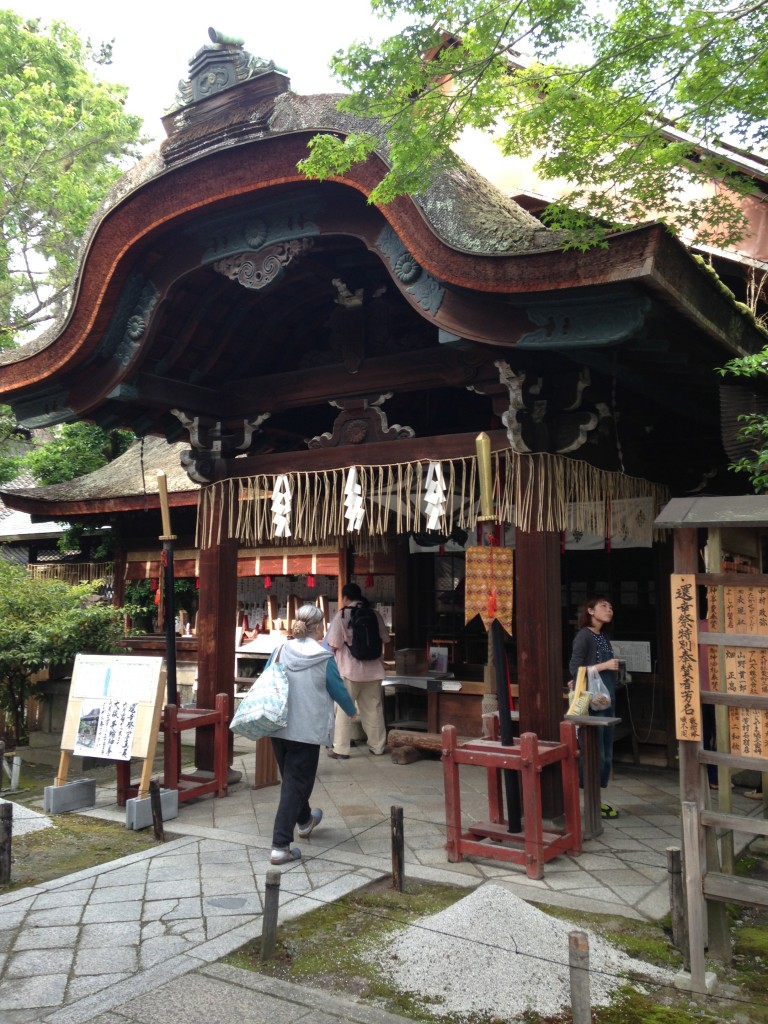
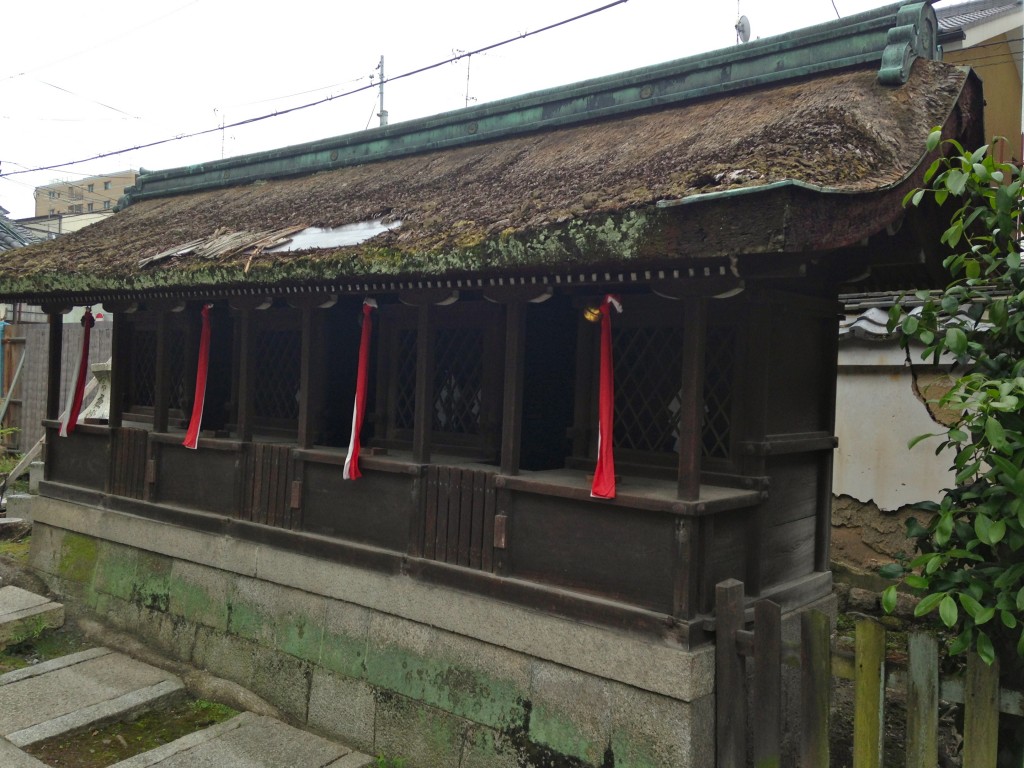
The guardian shrine for Byodo-in is Agata Jinja, which held its annual festival last night. It’s normally a packed bustling affair, but heavy rain dampened the crowds this year. A difference of opinion with Uji Shrine too appears to have split the festival in two. According to what I was told, the procession even had to be cancelled last year, though I was unable to get the details.
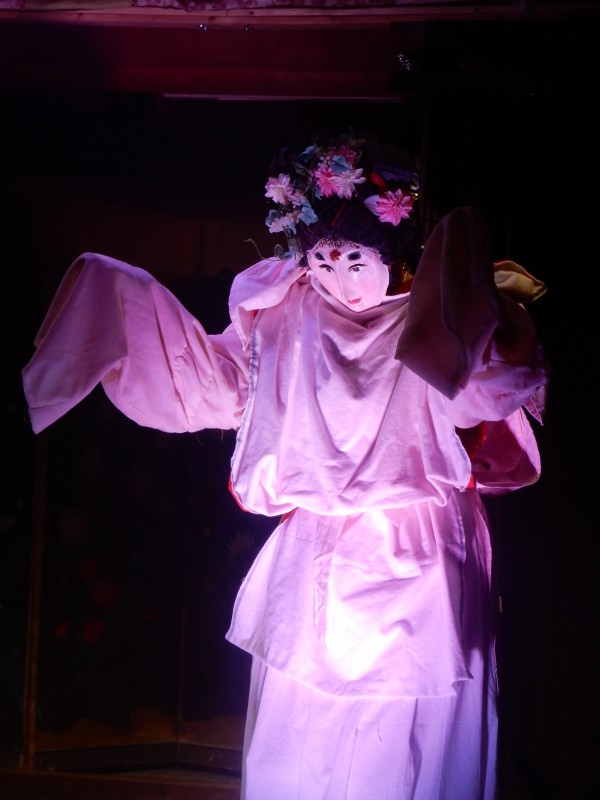
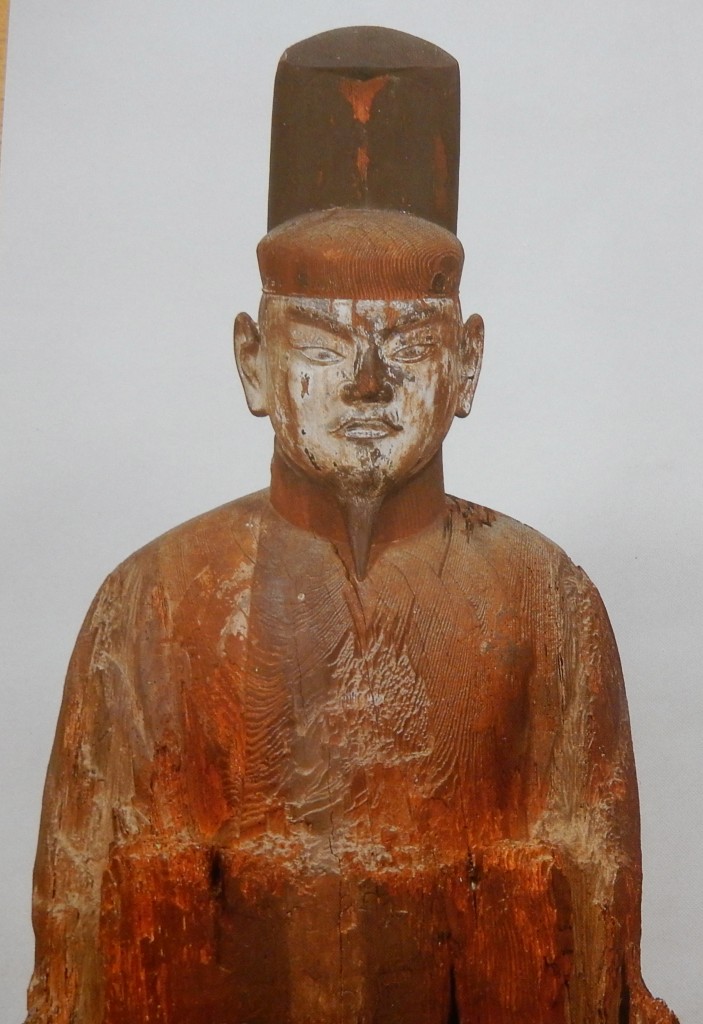
Princess Konohanasakuya, main deity of Agata Shrine
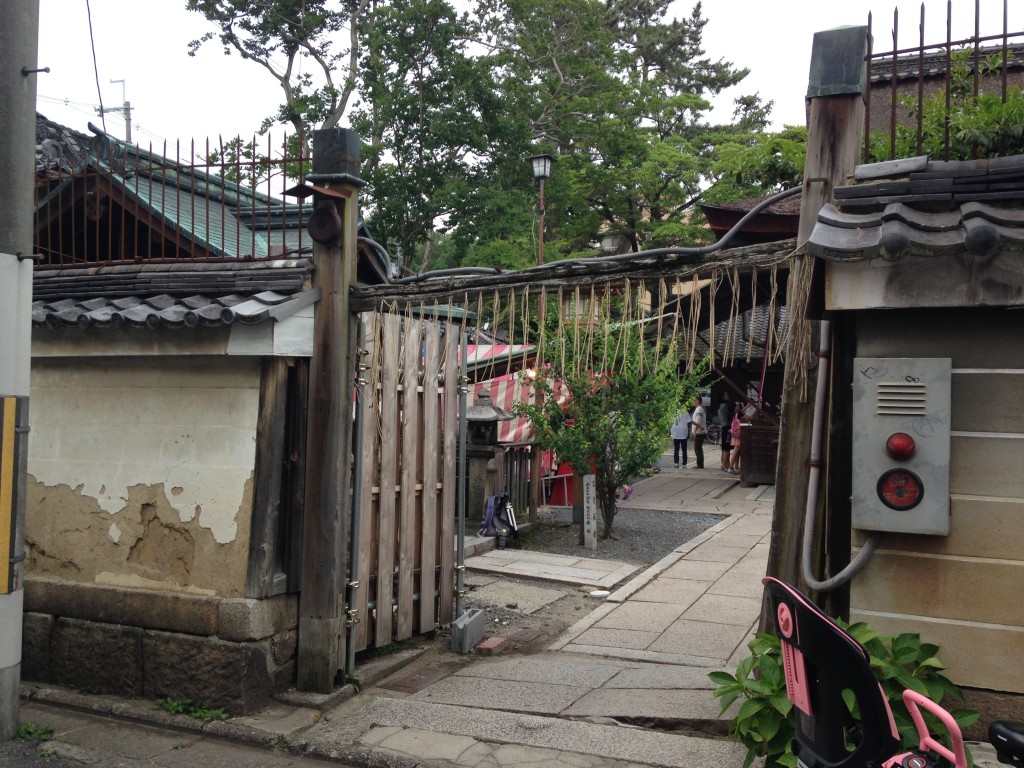
For the populace, the main attraction is hundreds of yatai stores that line the street leading to the shrine. It’s so narrow that people can only circulate in one direction, and the stores do a roaring trade in food and games mainly aimed at children.
Meanwhile at the shrine there was an engaging retelling of the story about the shrine’s main deity, Princess Konohanasakuya. I thought at first it must be a kagura play, but it turned out to be more of a modern musical mixing the traditional style of masks and costumes with a narrator and songs backed by taped accompaniment.
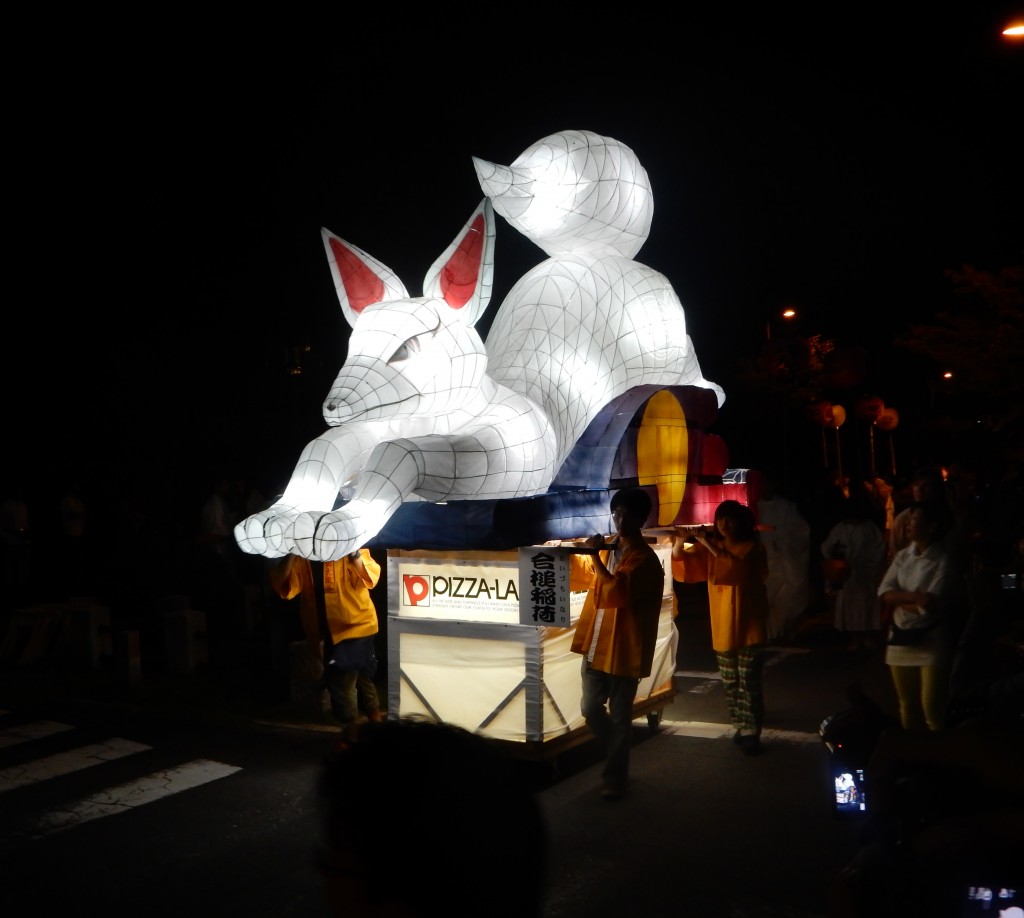
Because of the dispute there were two different processions this year, one starting from Agata Shrine and the other, oddly, from the tabisho which Uji Shrine appeared to have commandeered. The procession usually takes place after midnight, when lights are turned off to heighten the atmosphere of mystery and darkness. This year, however, one of the processions set off early and because of the rain this was the one I chose to follow.
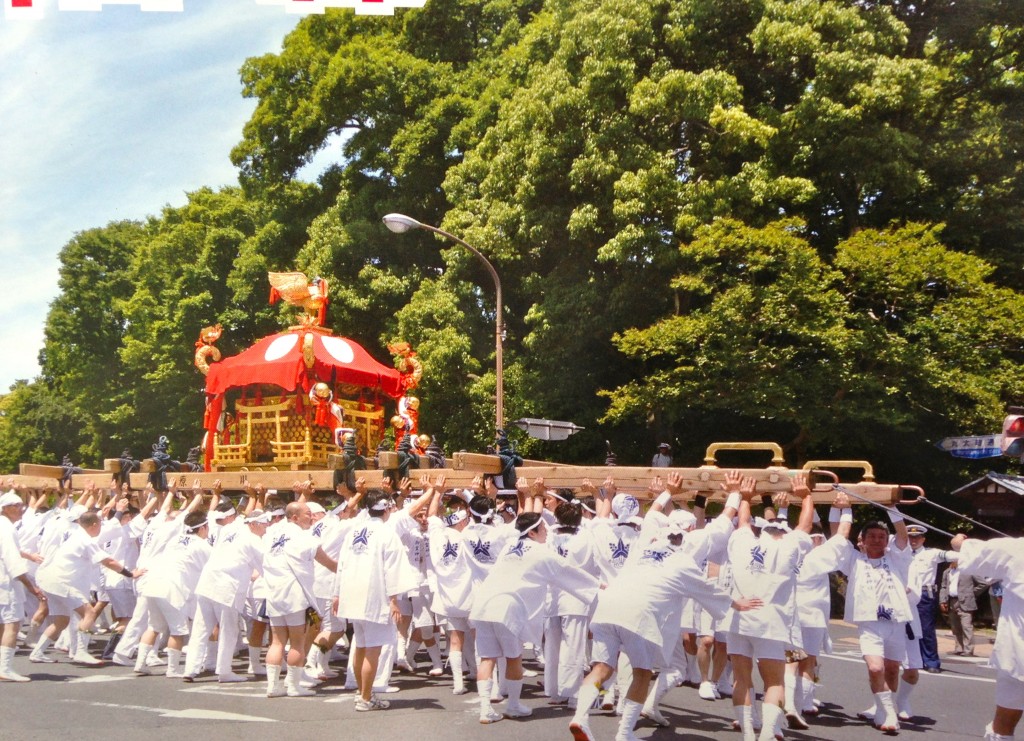
There were two floats, both borne on the shoulders of men in happi. One had a fierce looking shishsi (Chinese lion) and the men yelled ‘yoiya, yoiya’. The other represented Bonten, a kami protector of Buddhism represented by a pole with white paper streamers. (According to the shrine office at Agata Shrine, when the deity there is transferred to the float, it mutates into Bonten.) Here the men were shouting, ‘Washoi, washoi.’ As the float was carried around, one of the men stood on top and grasped the pole with one hand, his head buried in the paper streamers, with the other hand stretched out in protective manner (images of Bonten often show an arm outstretched like this):
 Every so often the floats would stop to be violently rocked or spun around. This was both exhilarating and dangerous. In both cases there were men still on the float who clutched the central pole for their dear life as they were rotated 180 degrees or whirled round and round at dizzying speed. It was as if designed to test the limits of human ability.
The event made me ponder the nature of such festivals. In times past the wild abandon and high risk must have served as release for communities whose lives were characterised by hardship and suffering. There’s an element of euphoria too, by which participants are taken out of themselves and closer to the spirit world. In these moments of ‘living on the edge’ comes a real sense of transport and transcendence. In the wild delirium is a communion of human and kami.
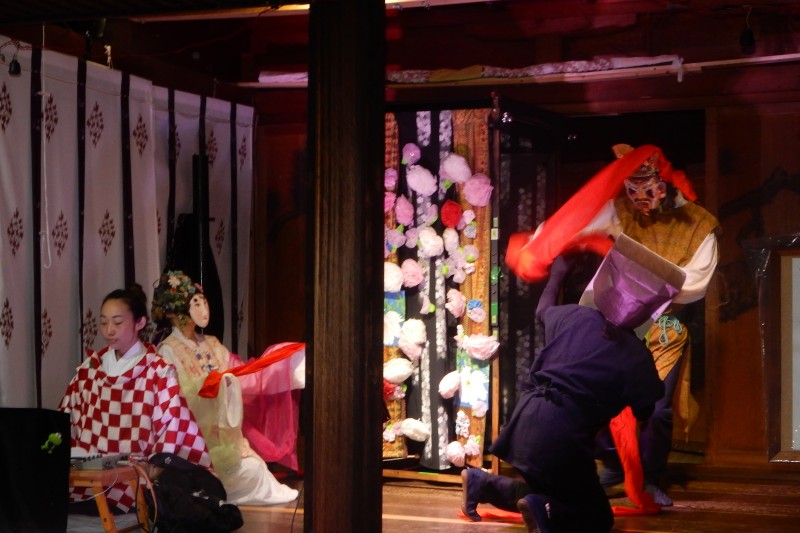
Narrator and Princess Konohanasakuya seated to the left, while Ninigi no mikoto receives an adjustment to his costume.
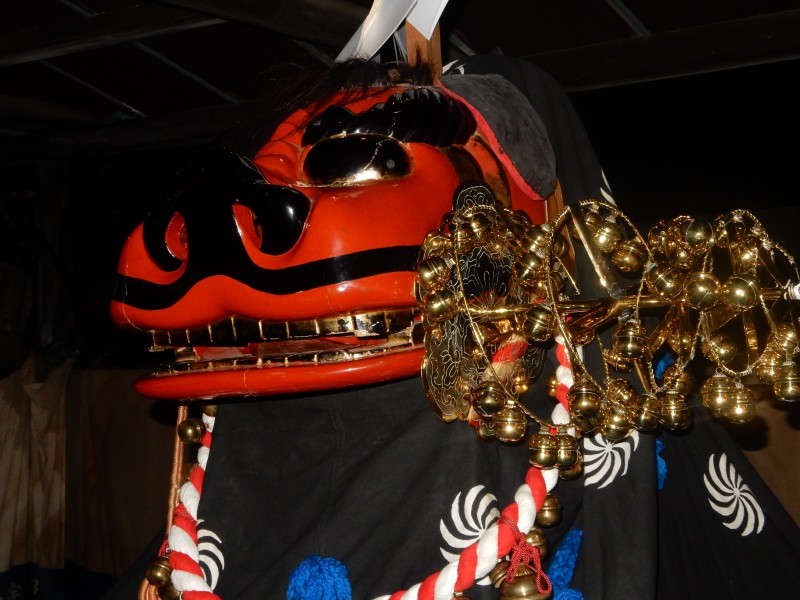
The shishi (Chinese lion) that was carried around central Uji to help purify and reinvigorate the area for another year. The shishi has magical powers to repel evil.
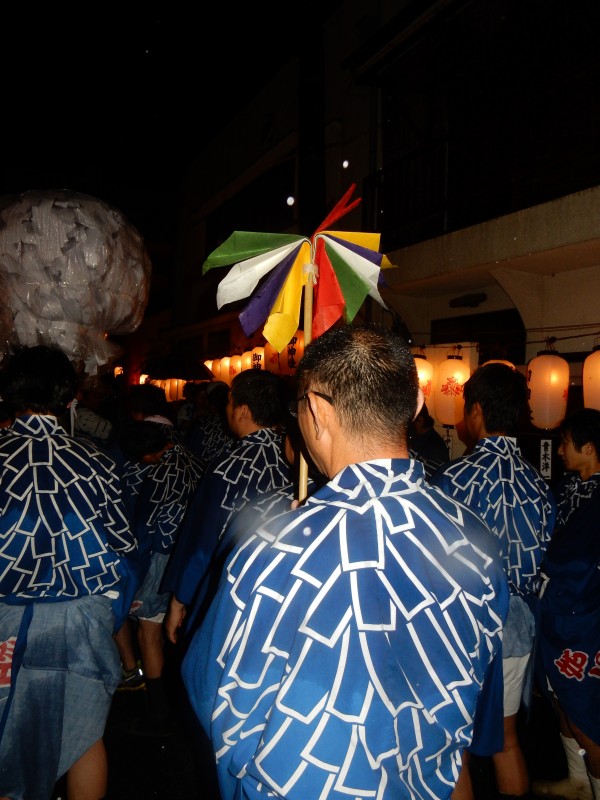
In the wake of Bonten was a man carrying five coloured cloths (representing the five elements) and wearing a distinctive happi patterned in the manner of the paper strips on Bonten
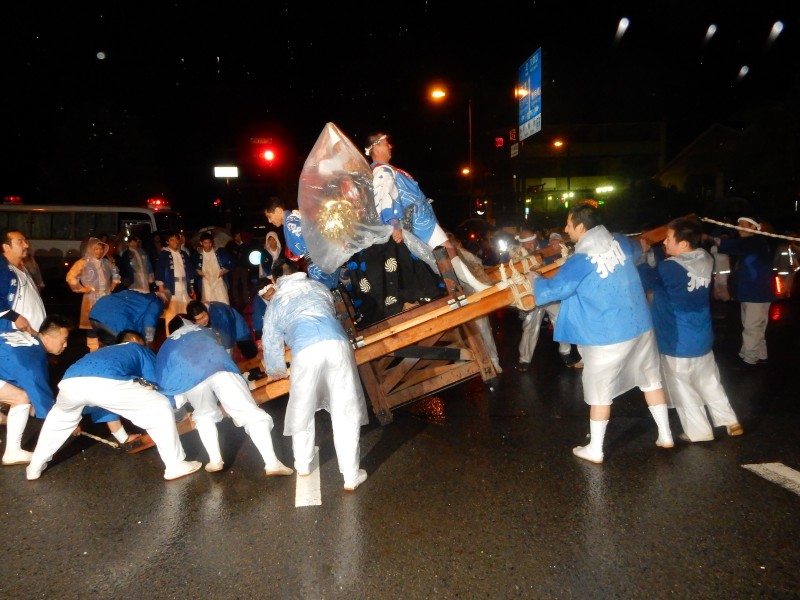
Every so often there was some serious rocking and rolling…
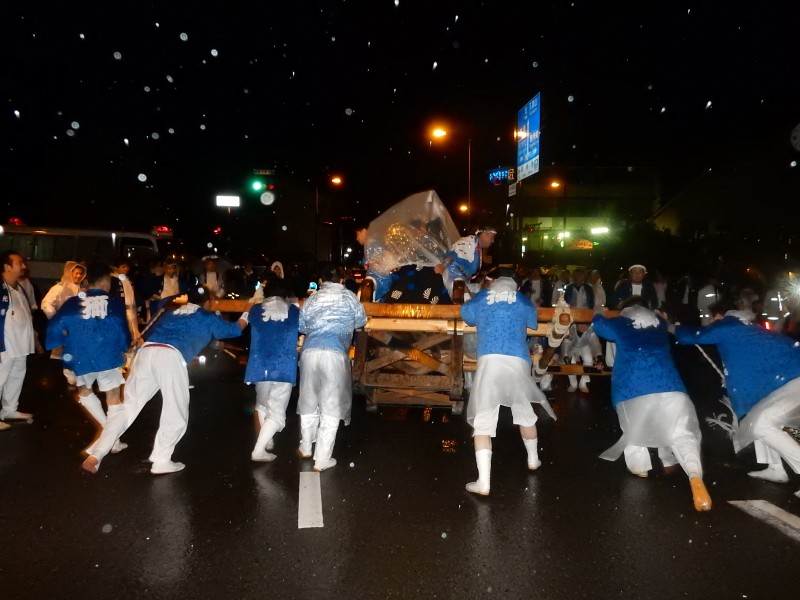
…even as the rain came pouring down, making it rough seas for some.
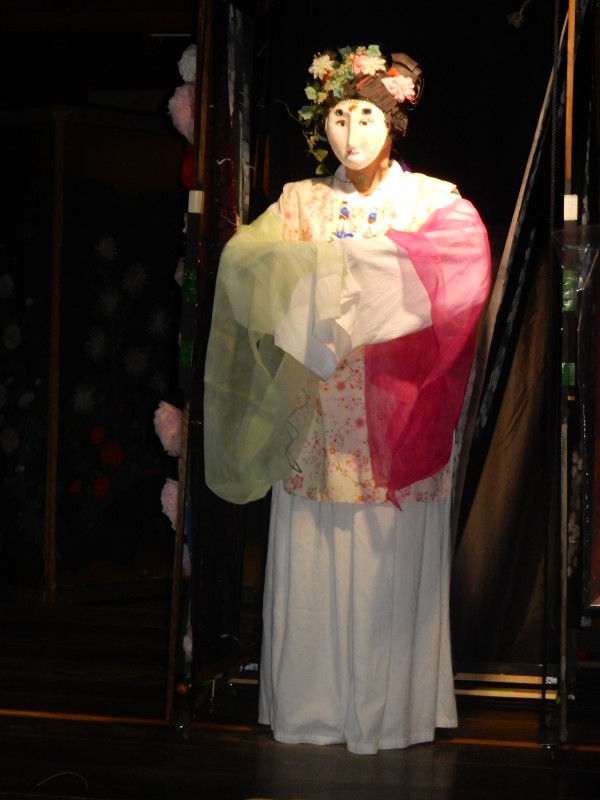
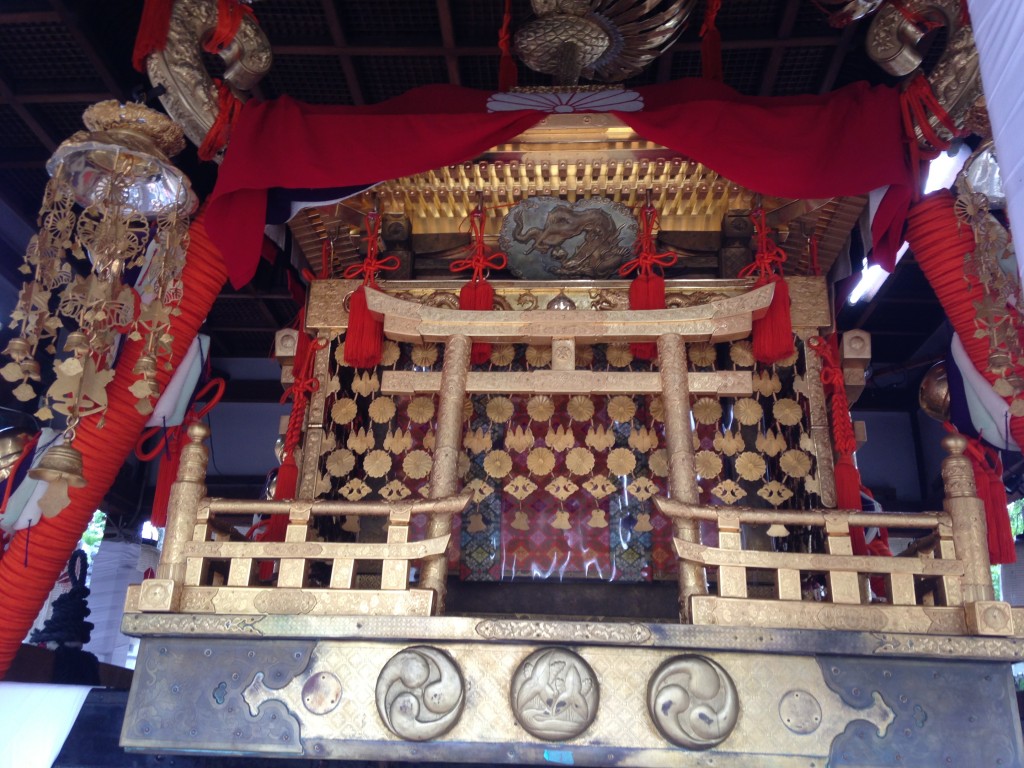
And presiding over it all was the blossom deity, Princess Konohanasakuya, mythical ancestor of the imperial family, whose story is central to the mystery of why the emperors, though born of a divine lineage, are mortal like other humans.
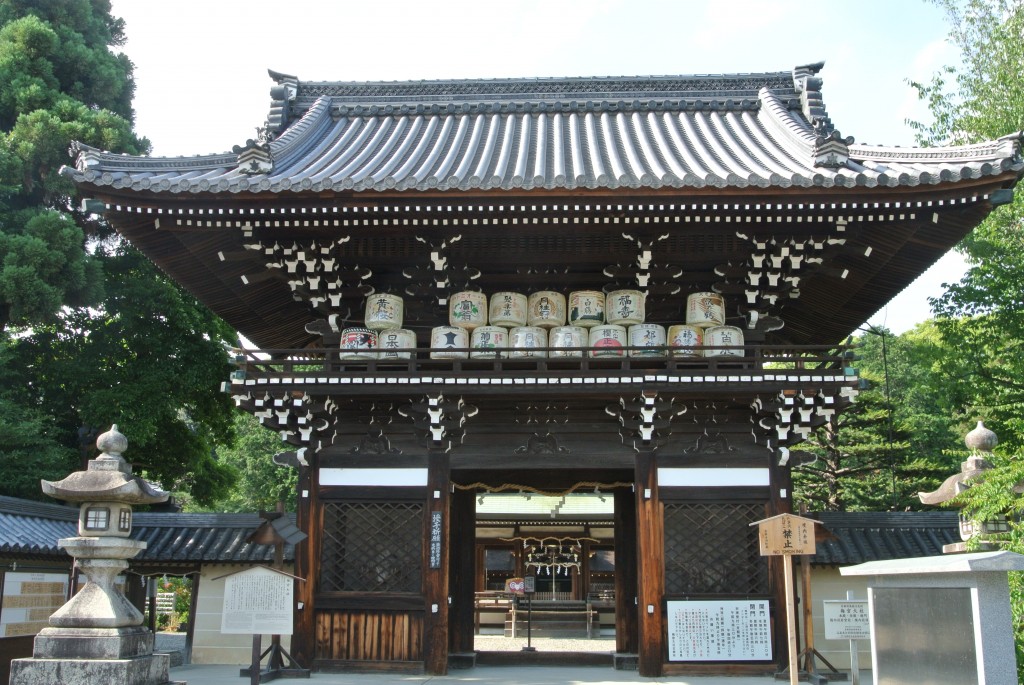
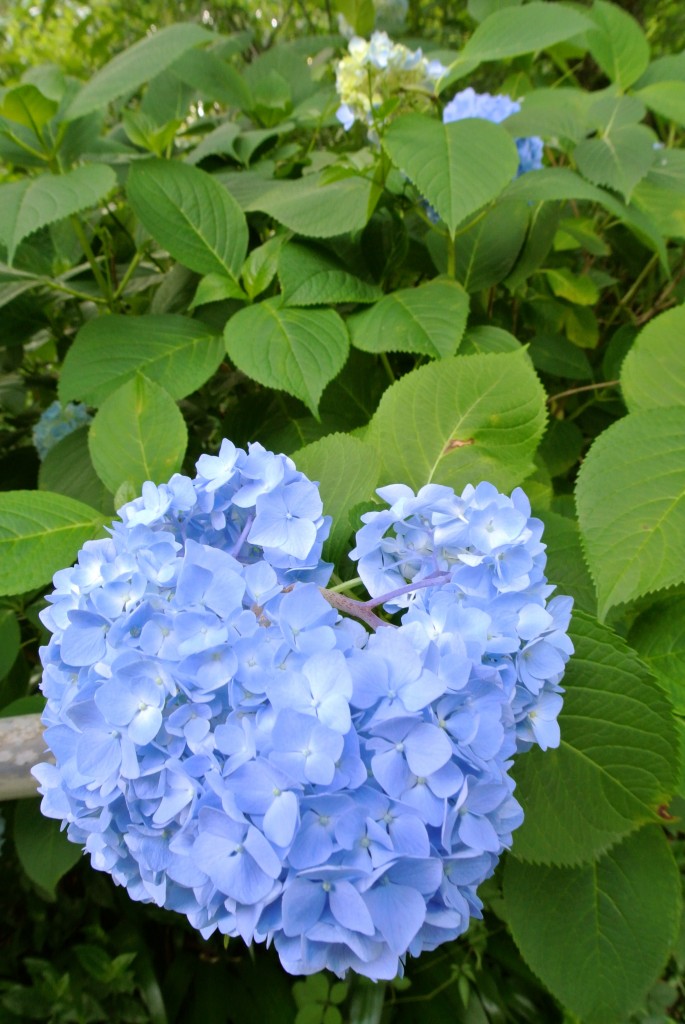
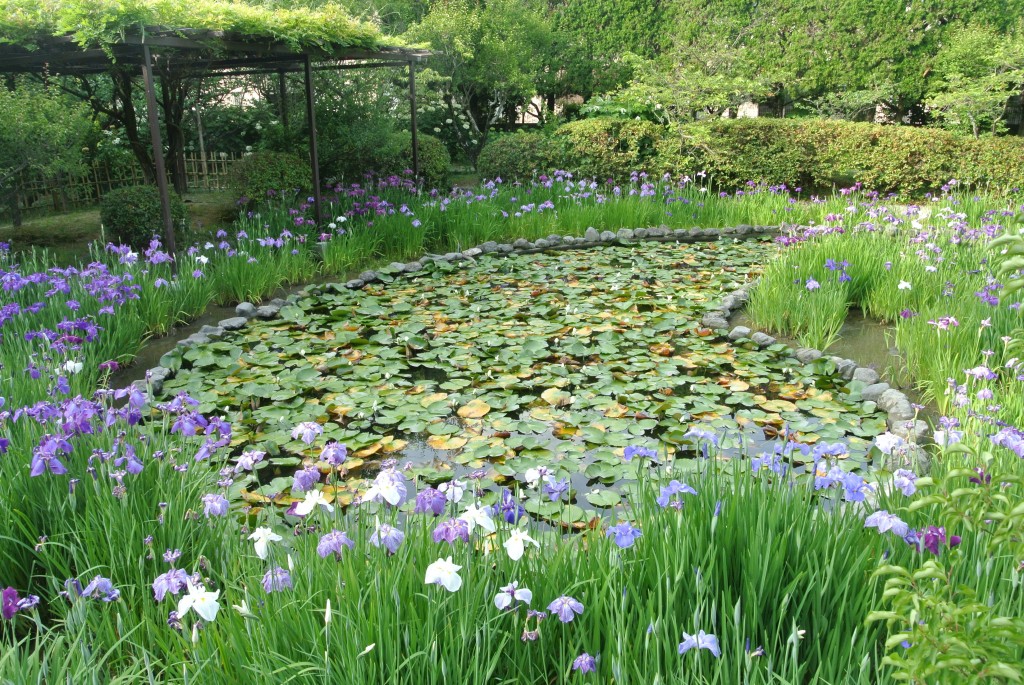
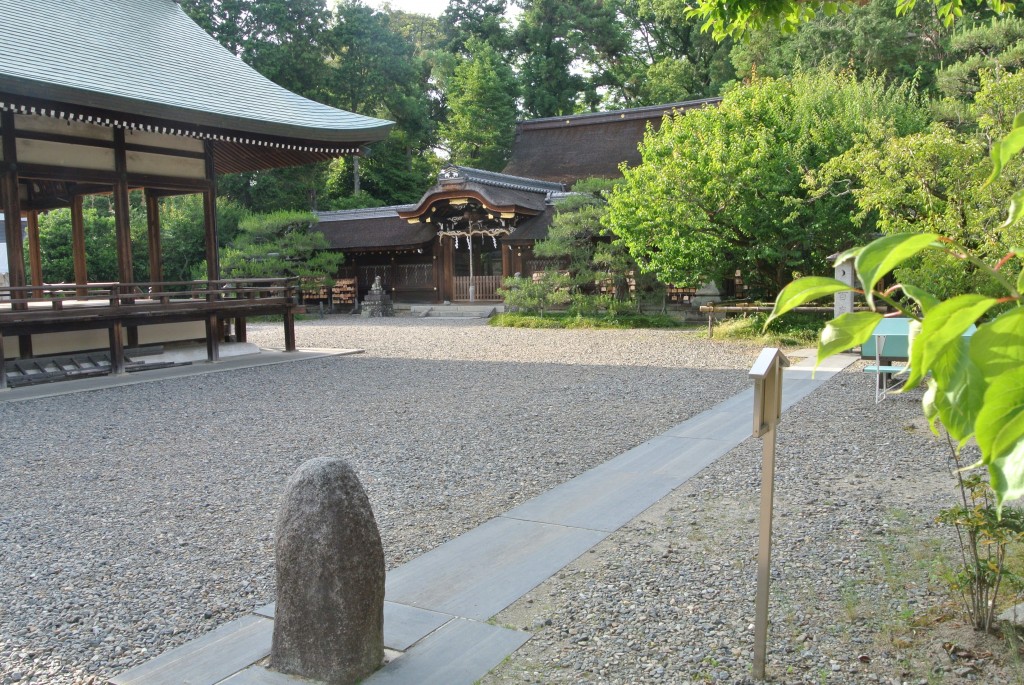
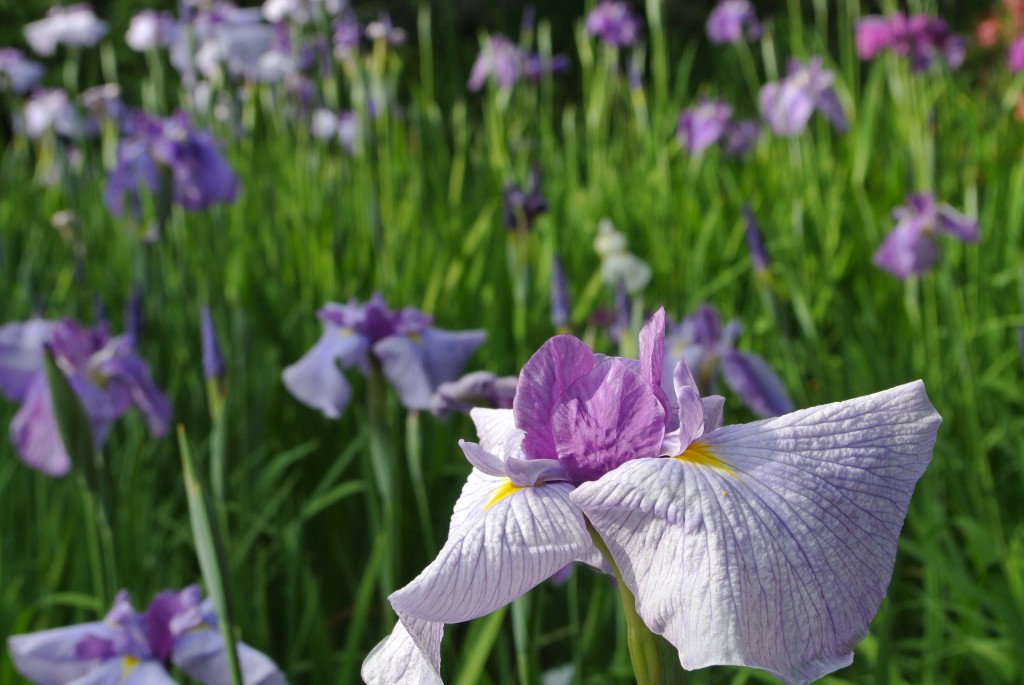
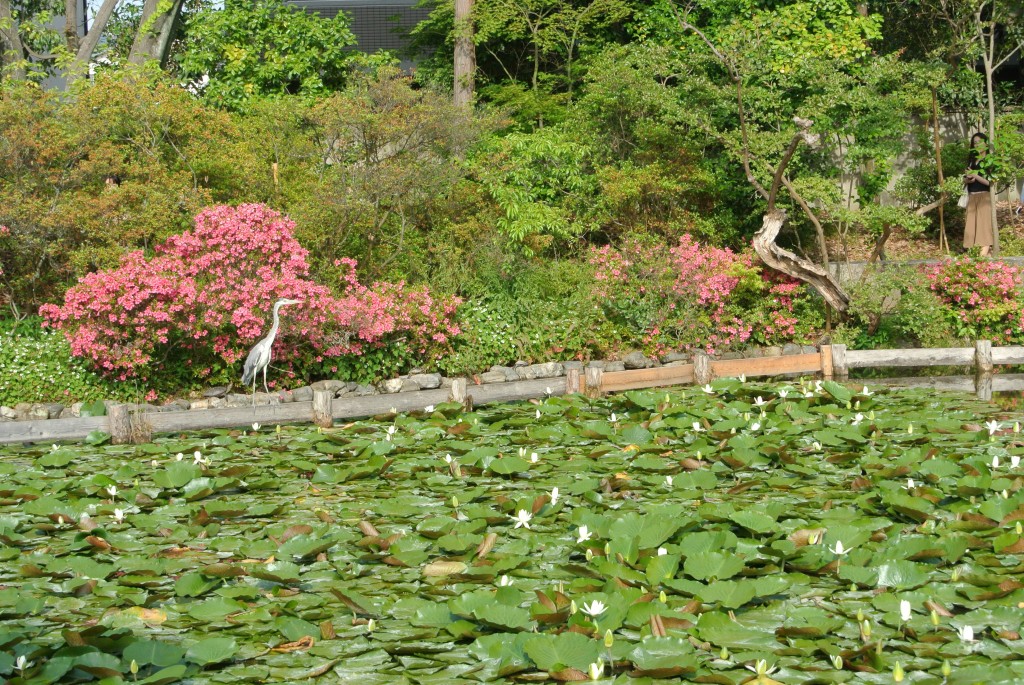
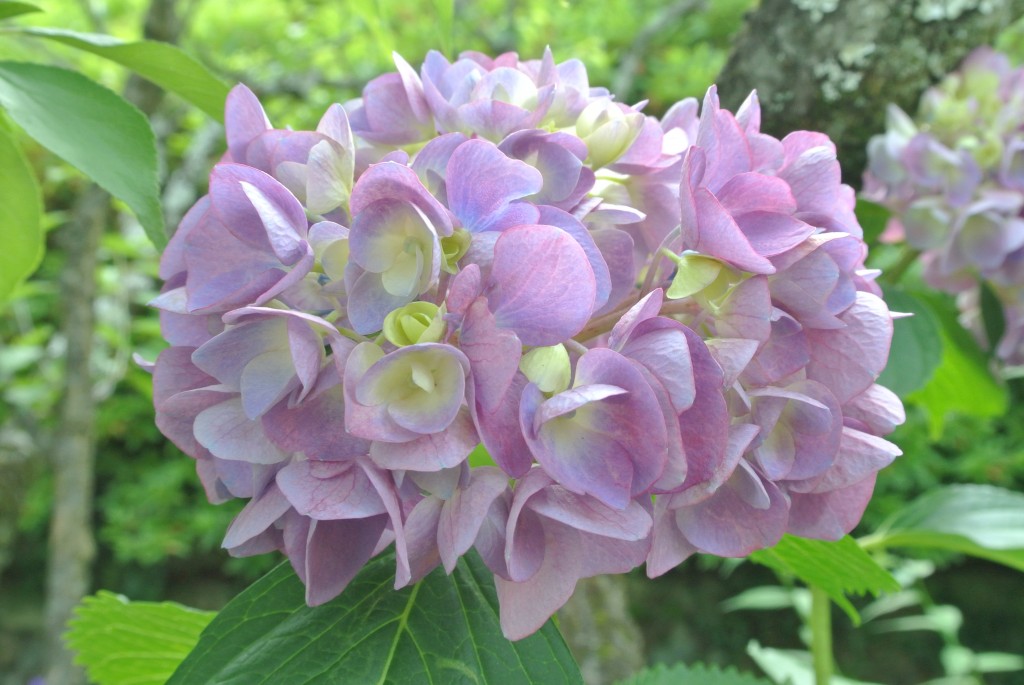
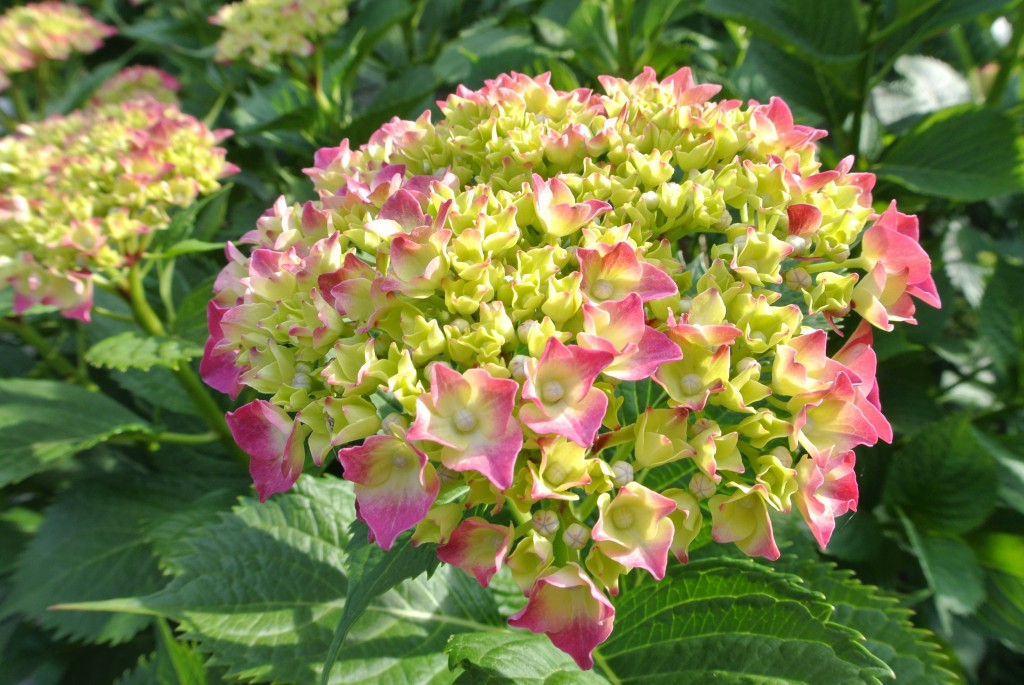
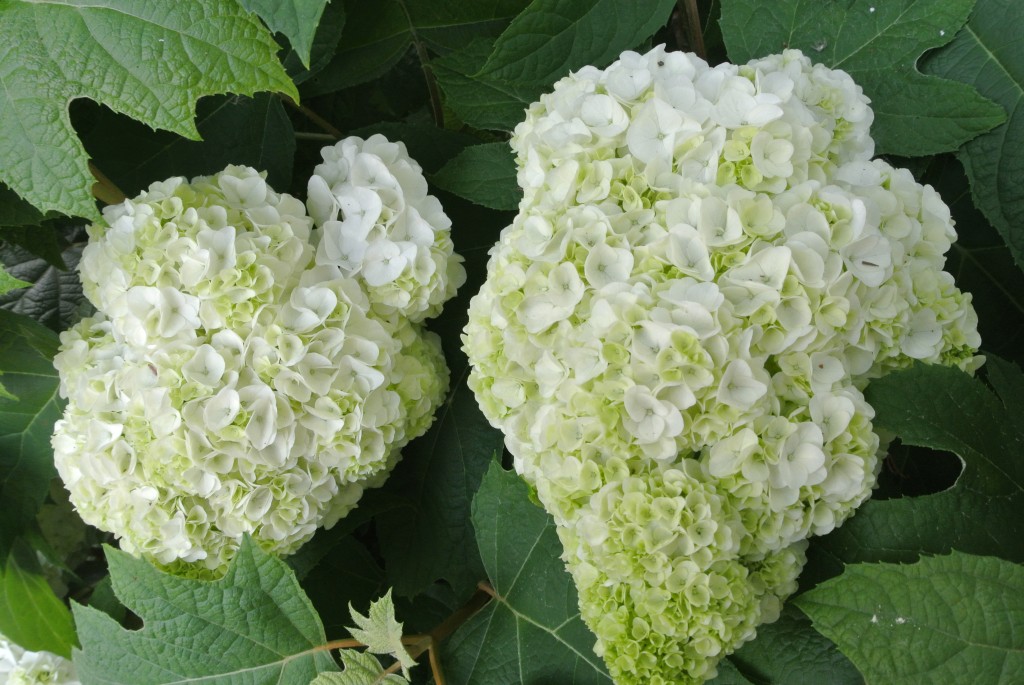
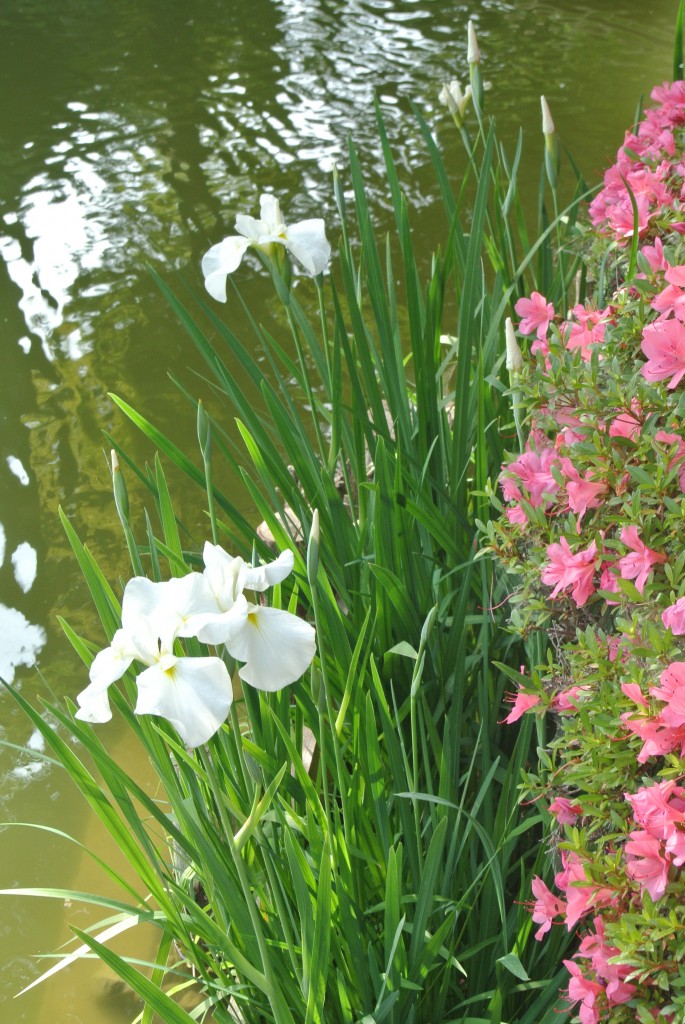
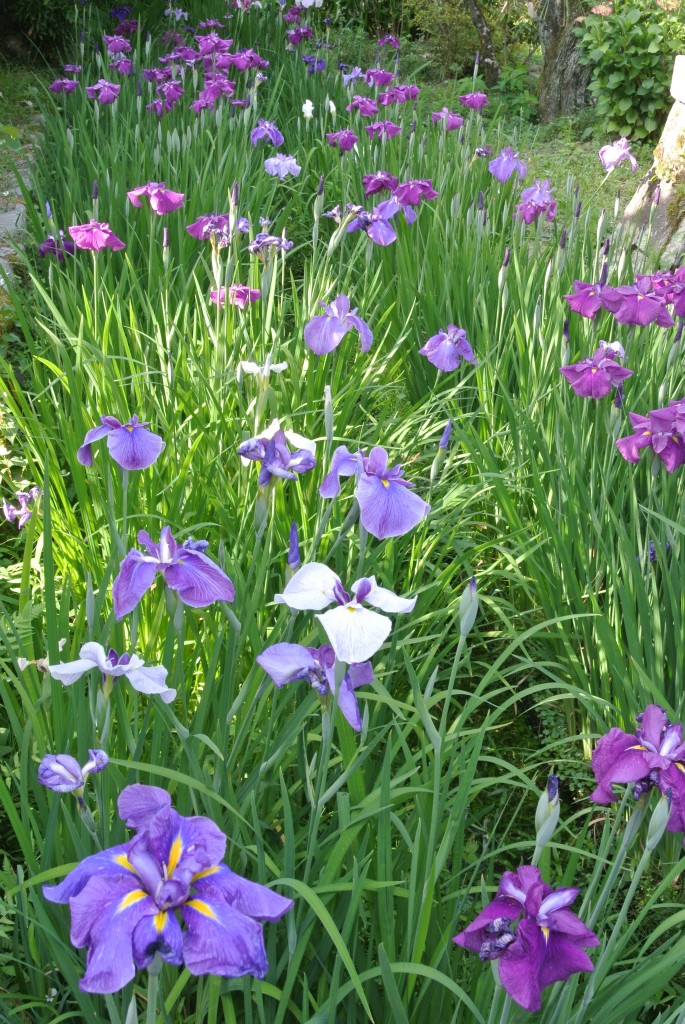 Umenomiya was once a high-ranking shrine with strong imperial connections. It boasts a large wooded pond area adjacent to the compound, where seasonal flora are on display throughout the first half of the year. At the moment it’s full of iris, azalea and hydrangea. Simply stunning!
 According to tradition, Konohana no Sakuyahime gave birth to a god on the day following her marriage to Ninigi no mikoto (ancestor of the imperial line). The speed with which she bore the baby led to her being patronised as a goddess of easy childbirth, as a result of which pregnant women come to pray for a safe delivery. The association with childbirth is furthered by a stone to the right of the Honden known as Matage ishi (Matage rock), for it’s said that the Empress Danrin who had been childless was able to conceive after stepping over it. She took some of the white sand in which the rock stands and spread it under her bed, which supposedly eased her in giving birth.
 Since the word for ‘giving birth’ is similar to plum (ume), there are about 500 plum trees at the shrine and pickled plums are on sale at the office. When the eighteenth-century Shinto scholar Motoori Norinaga donated a plum tree, he penned a short verse to go with it…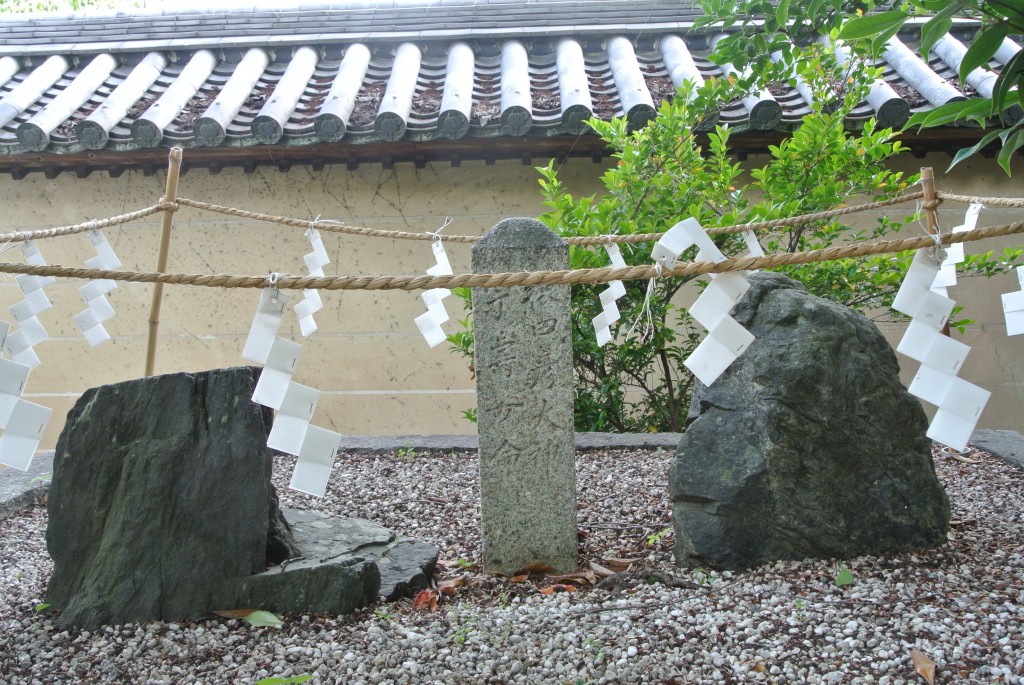
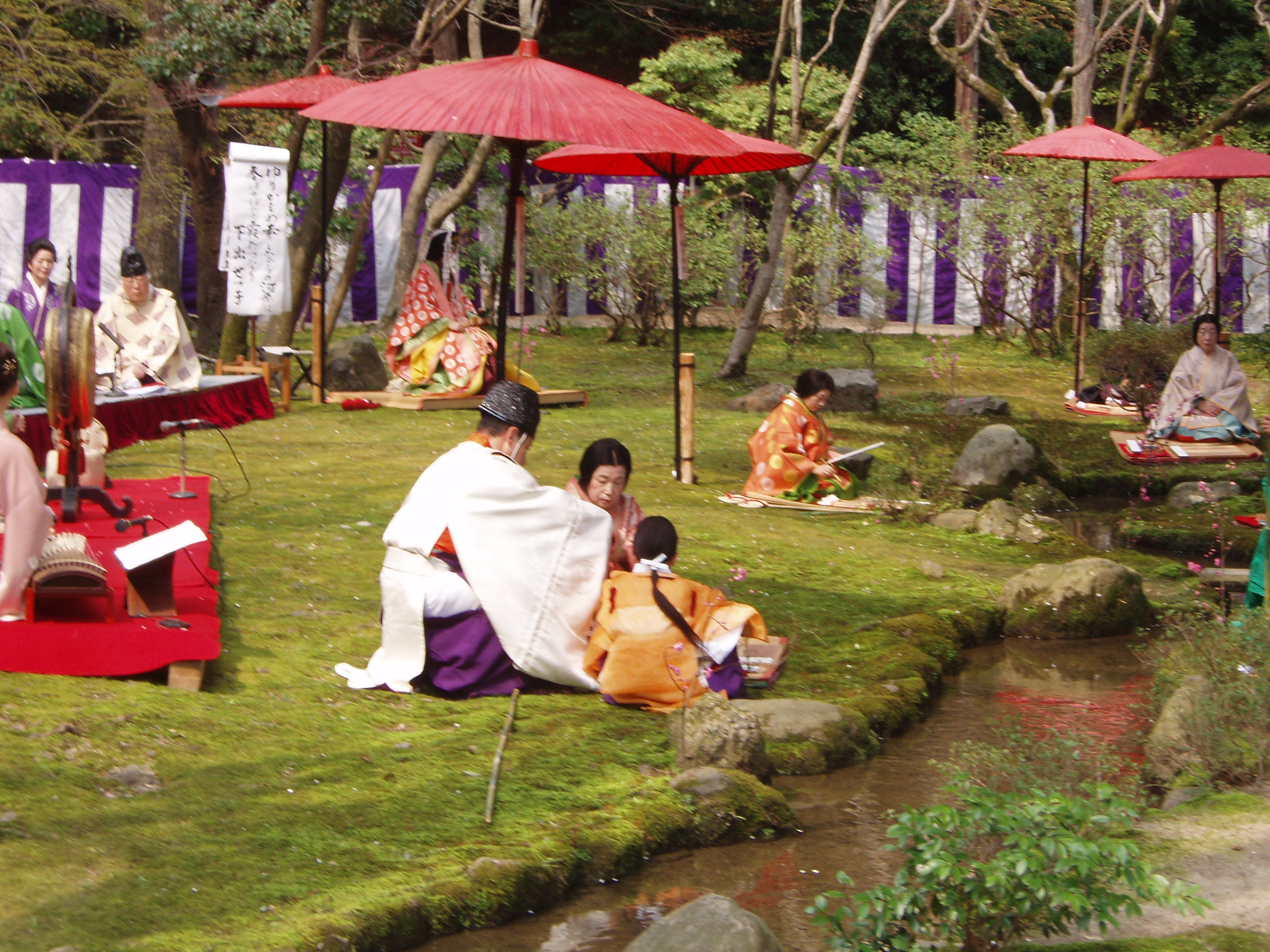
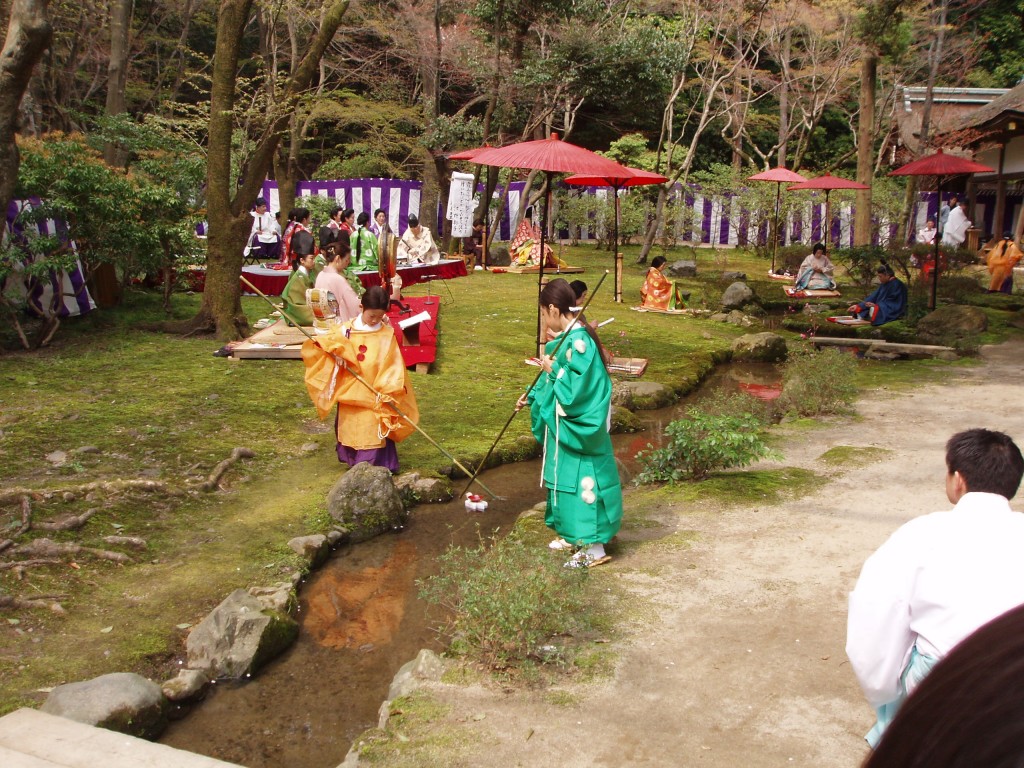 To convey their delicate feelings the aristocrats used verse as a means of expression, in particular the short poetry form known as waka. This was based on a 5-7-5-7-7 syllable pattern (haiku was formed later by dropping the last two lines). Topics ranged from nature appreciation through the whole gamut of love found and lost.
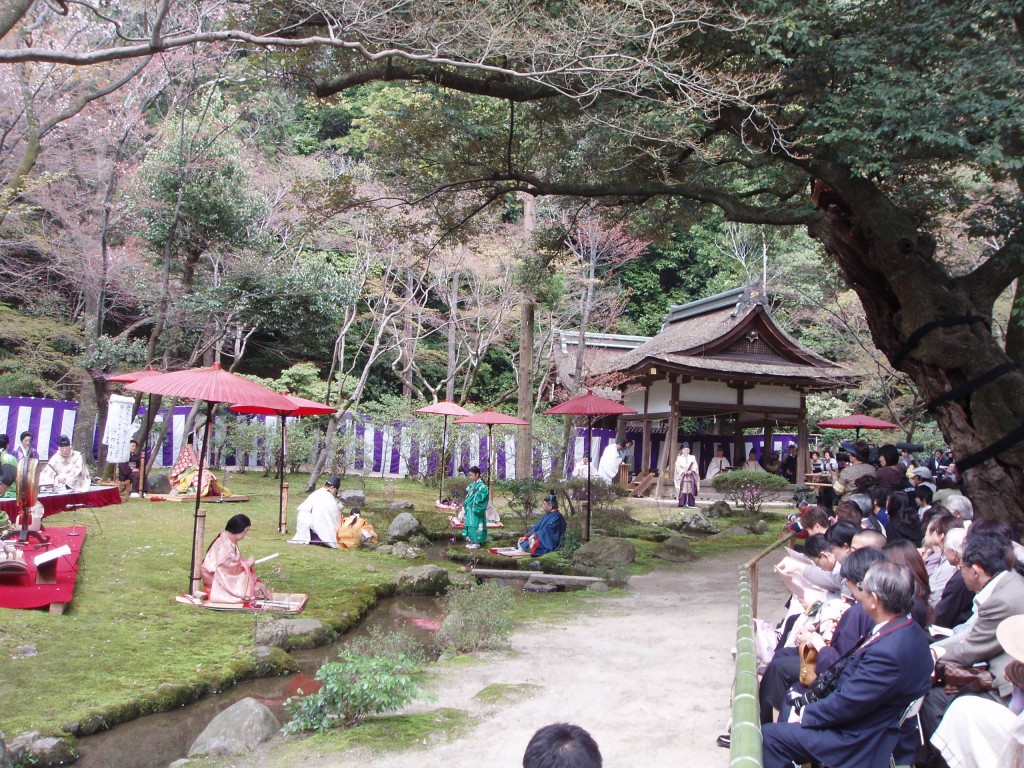 Since humans resonate in tune with harmony, runs his thesis, the poet can promote unity by capturing the ‘good vibrations’ in words. These were communicated to others through sound, for waka were not simply written words but meant to be chanted out loud. (Translated literally, waka means ‘Japanese song’ and the verse are referred to as uta, or songs.) You could say then that the poems are a form of harmony in more ways than one.