Author: John D. (Page 156 of 202)

Seasonal haiku

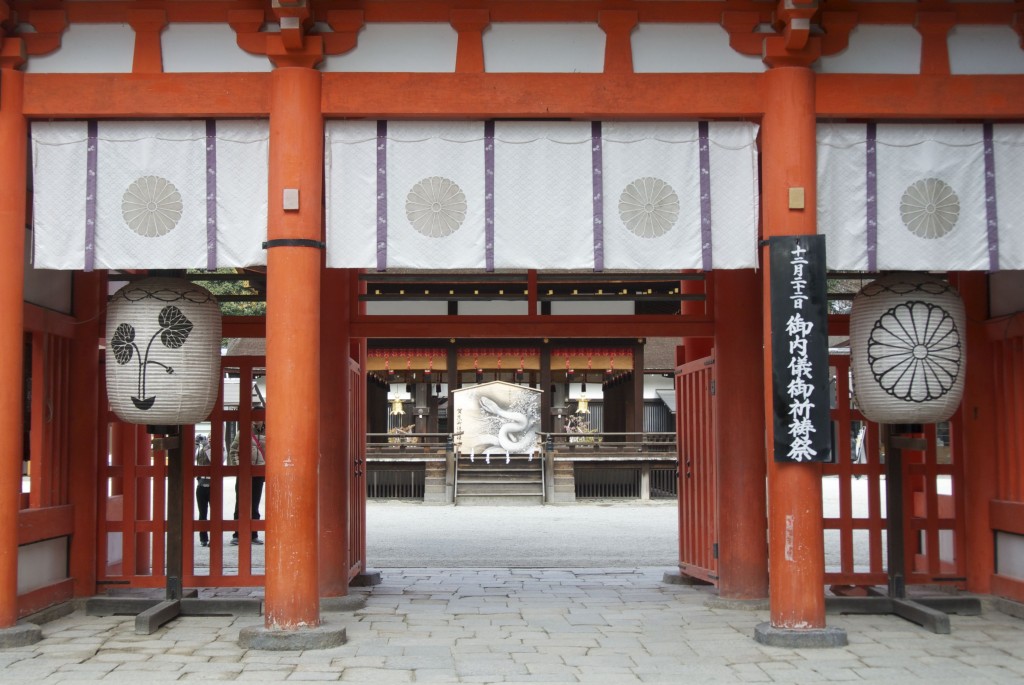
Shimogamo –
First signs of
the new year

Displayed inside the entrance gate is an ema board for the coming year of the snake


Winter sunshine
Clear crisp air –
a new year beckons

The River Kamo in Kyoto


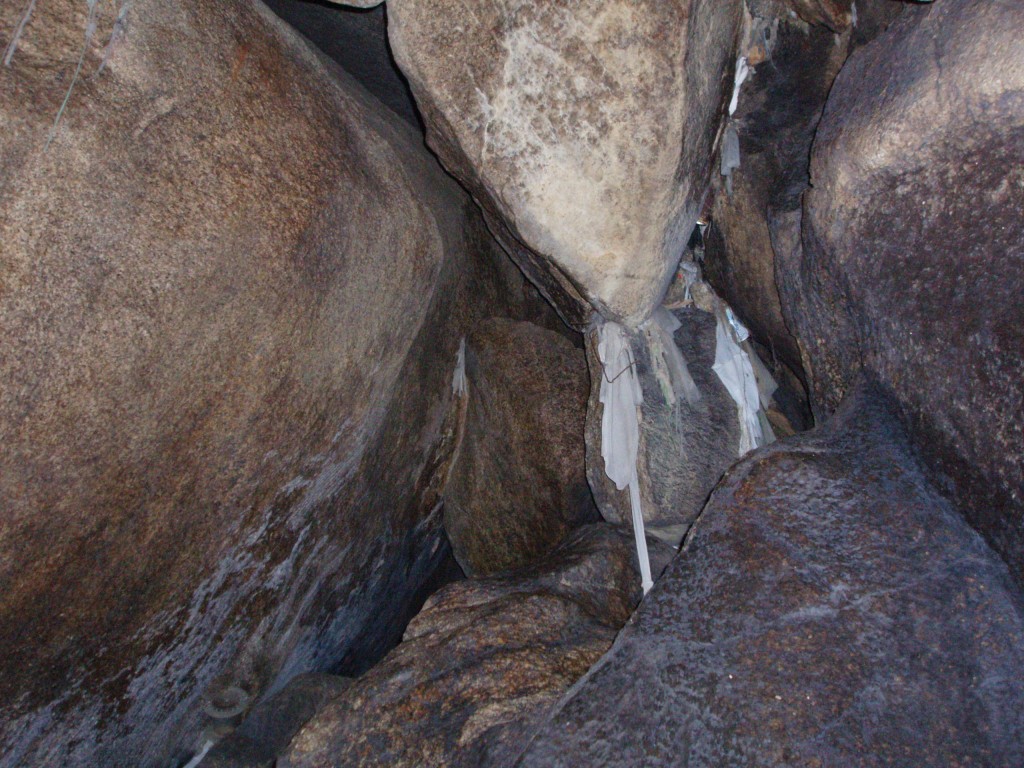
Slipping, squeezing
Through narrow openings –
Winter solstice

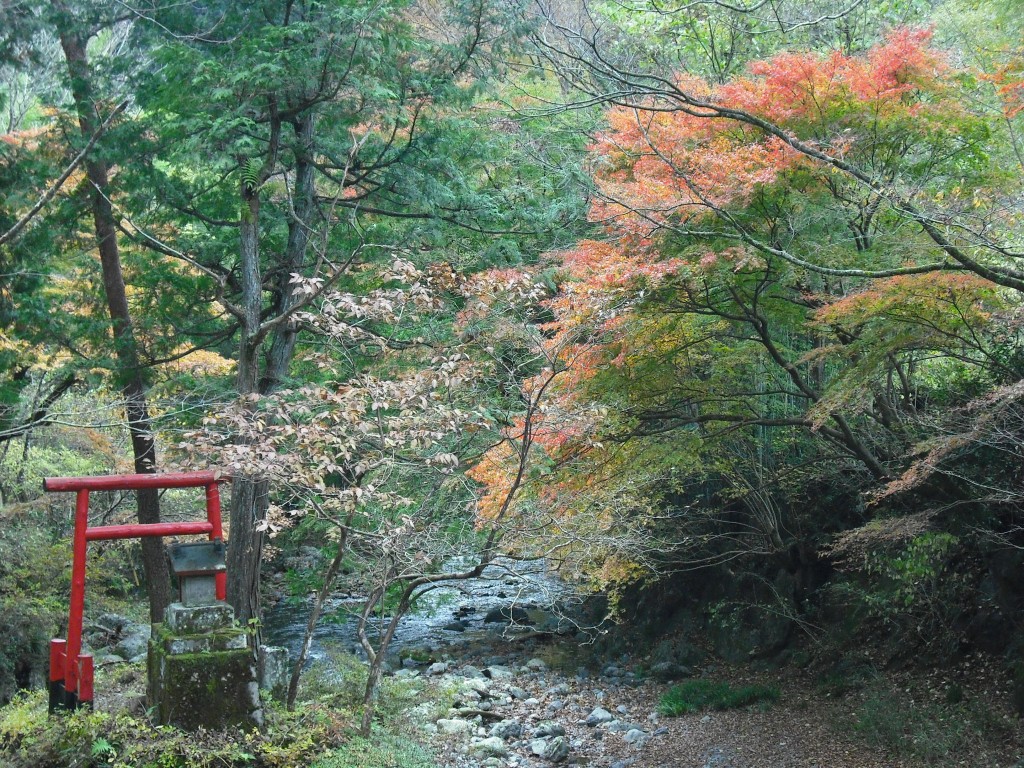
Sacred space at Iwafune Jinja


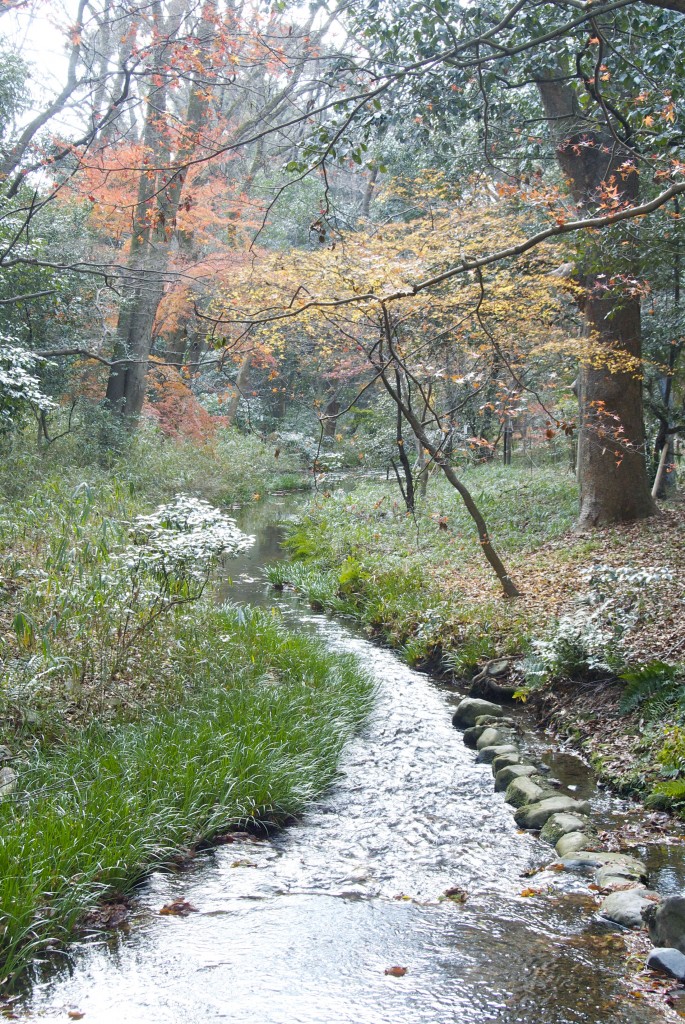
Winding stream
of yellows, reds, and browns –
forgotten memories

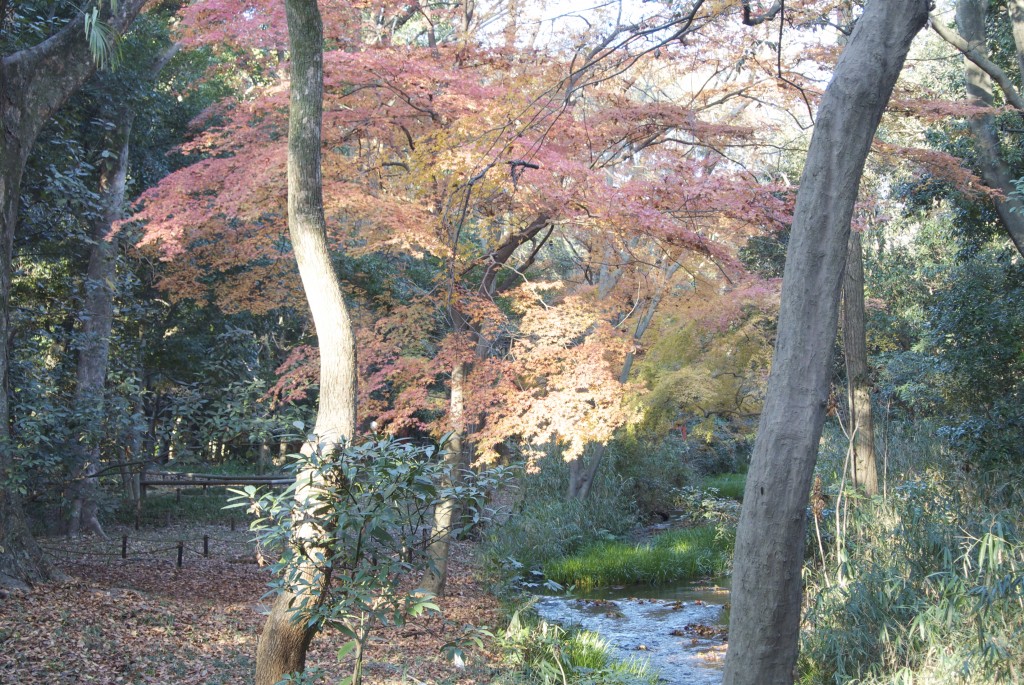
The woods at Shimogamo Shrine

Ancestors trump animism

Is Shinto animism plus ancestor worship?  Or is it ancestor worship plus animism?

There’s a big drive these days to pass Shinto off as a nature religion, but wherever you turn you’ll find the ancestral aspect can’t be ignored.  Look through the newly published Shinto Shrines for instance, and the overwhelming majority of kami worshipped are ancestral in nature.  In an earlier posting I wrote arguing that animism trumps ancestor worship (click here).  Now I’d like to argue the exact opposite.

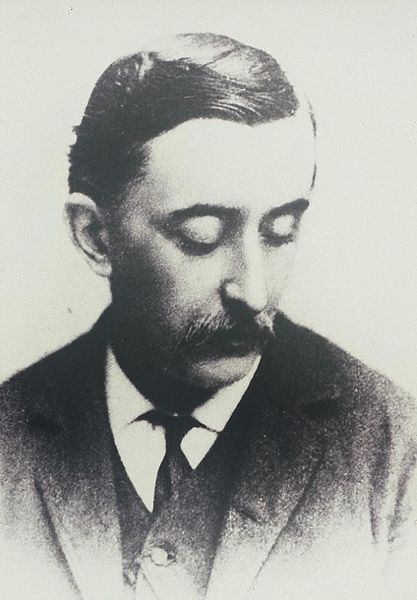
Lafcadio Hearn (1850-1904)

In Lafcadio Hearn’s Japan: an Attempt at Interpretation (1904), the Irishman makes a powerful case for seeing the whole of Japanese culture, not just the religion, through the lens of ancestor worship.  ‘Almost everything in Japanese society derives directly or indirectly from this ancestor-cult; and that in all matters the dead, rather than the living, have been the rulers of the nation,’ he writes.

The book has some bluntly stated convictions.  Early ancestor worship, based on a belief that ghosts were the spirits of the dead, is ‘the root of all religions’.  It was a theory propounded by Herbert Spencer (1820-1903), ‘Darwin’s bulldog’ as he was known.  According to his thinking, ghosts came to be seen as spirits of relatives and ancestral figures that live on after death.

The ancestral spirits were ascribed superhuman powers, such as the ability to protect or punish the family household. Offerings were therefore put out for their well-being, and ‘hungry spirits’ who felt neglected by their heirs were thought to wreck havoc as a result.  In other words, ghosts were turned into gods.

Hearn’s argument is that ‘the cult of the dead’ became deeply ingrained in Japanese thinking, such that it lies at the core of both Shinto and Buddhism.  It found expression in three main spheres: the domestic, the communal and the national.  In the domestic sphere, family ancestors (specifically the previous two generations) are honoured at a family shrine or altar.  At the communal level, neighbourhoods join in worshipping their clan ancestors in a local shrine (ujigami).  And at the national level, people honour the imperial ancestors.

In this way ancestral worship affects all elements of the culture.  Individualism was suppressed as a result, because of the tendency to see oneself as part of a household, or as part of an ancestral line. Instead of putting oneself first, there was an emphasis on loyalty, groupism, self-sacrifice, hard work, honesty, purity and consideration of others.  ‘Spirit eyes are watching every act; spirit ears are listening to every word [-] the heart must be pure, the mind must be under control..’, he writes.  It was such thinking, Hearn argues, that shaped the charm, grace and selflessness of the Japanese female.

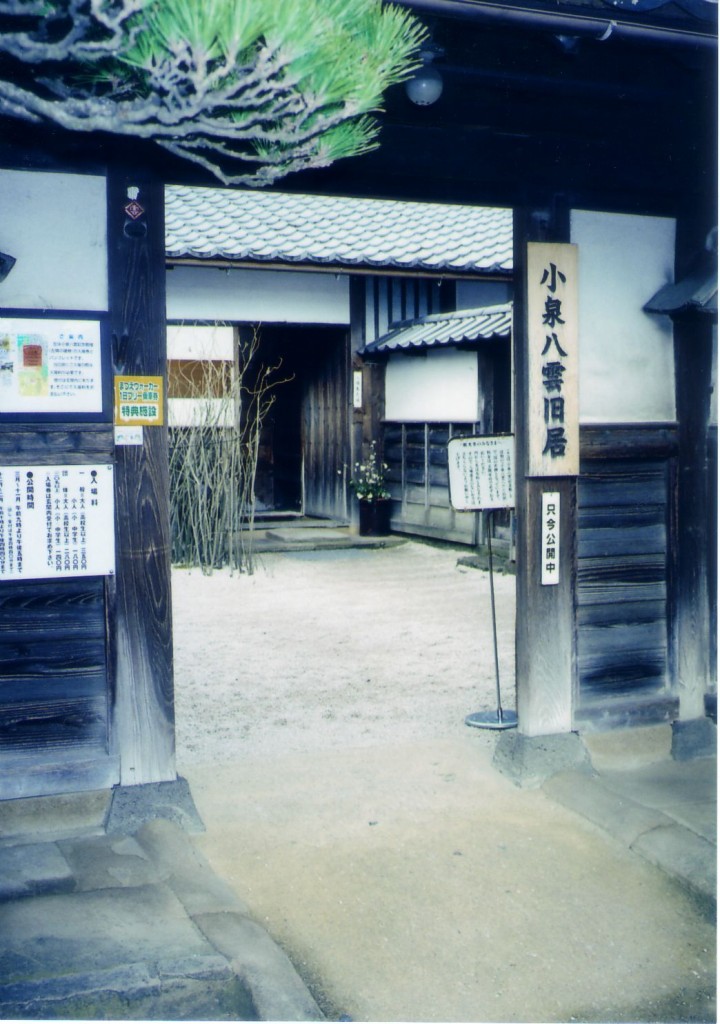
Hearn's house in Matsue, Shimane prefecture

According to Hearn, animism is a later idea than ancestor worship and was imported from China.  The idea that animism preceded ancestor worship is ‘old-fashioned’, he claims.  ‘The earliest Shinto literature gives no evidence of such a developed animism as that now existing,’ he goes on.

There’s much in Hearn’s book that has one nodding in agreement, despite the intervening 100 years of Westernisation.  It’s a tribute to his perspicacity.  He even seems at one point to be predicting the kamikaze spirit of WW2 as he writes of the fanatical desire for self-sacrifice to which the culture can lead, describing Shinto at the national level as ‘a religion of patriotism’.  He offers an explanation too as to why Christianity has failed to make inroads in Japan, in that it has not accepted ancestor worship.

Even within a Westernising Japan can be discerned the unmistakable shape of ancestor worship, claims Hearn, comparing the situation to a topiary left to its own devices – though it becomes overgrown, the original shape can still be made out, fainter and less obvious perhaps but nonetheless clearly discernible.

One of my good friends, a Japanese university teacher, is a sophisticated woman with thoroughly Westernised tastes, who graduated from a Christian school and university.  ‘It’s very strange,’ she said to me once.  ‘I don’t believe in religion or gods or anything like that.  But I pray to my father every morning, offer him food and tell him what’s on my mind.  I don’t know why, but it seems natural to me.’

Full marks to Hearn – I think he hit the nail on the head.  There’s good reason that his books remain in print, and after enjoying Japan: an Attempt at Interpretation so much, I can’t help looking at him as a kind of kindred spirit.  An ancestral spirit, indeed, of the non-Japanese community in Japan.


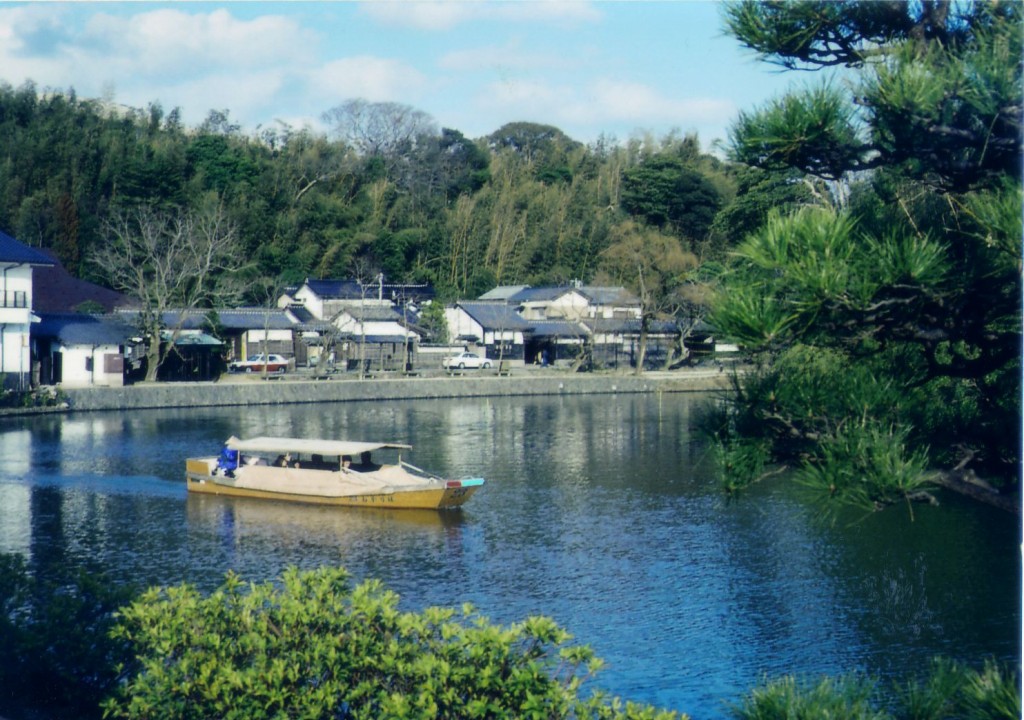
View towards Hearn's house in Matsue, where he first learned about Japan's ancestor worship

Why sakaki?


I’ve written before of the sacred nature of the sakaki tree, but what’s so special about it? It’s Shinto’s holy tree, but I’ve never found a satisfactory answer as to why.  Sure, it’s an evergreen, and therefore a symbol of immortality, but then so are lots of other trees – none more so than the Japanese pine or cedar, both more striking in their ways than the sakaki.

The standard answer is that sakaki was used in the Rock Cave myth, when it was decorated as part of the festivities to lure Amaterasu out of her retreat.  However, the myth was likely written to justify an existing practice, so that’s not very helpful.

To see if I could shed more light on the matter, I turned to the internet and found that Wikipedia carries some intriguing information.  Could it be that in the linguistic suggestion that it was a border tree lies a clue?  Did it perhaps border sacred areas at one time, or one particularly sacred site…

****************************************************

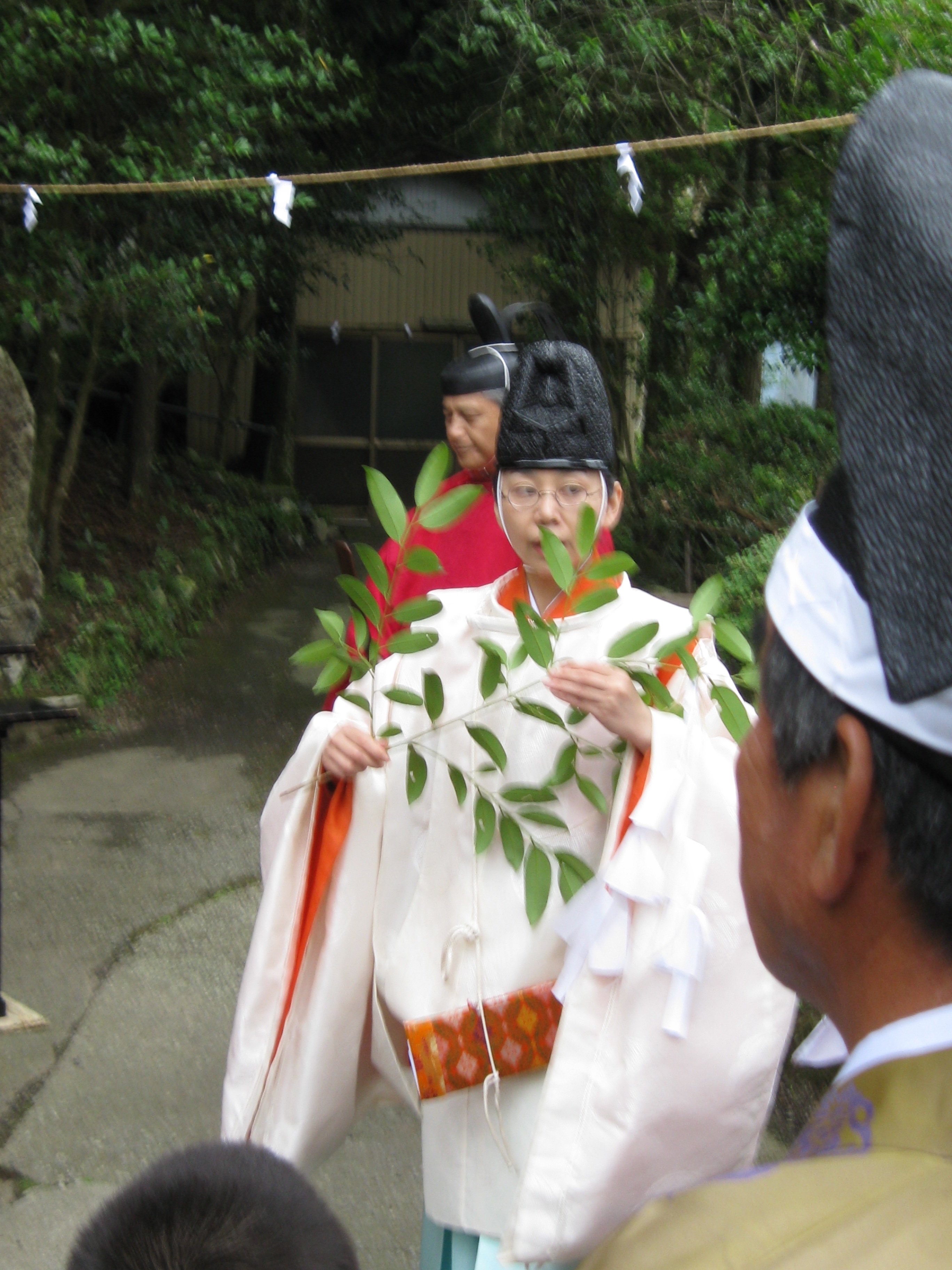
A priest carrying a tamagushi offering to the kami

Sakaki (Cleyera japonica) is a flowering evergreen tree native to warm areas of Japan, Korea and mainland China. It can reach a height of 10 m. The leaves are 6–10 cm long, smooth, oval, leathery, shiny and dark green above, yellowish-green below, with deep furrows for the leaf stem. The bark is dark reddish brown and smooth.

The small, scented, cream-white flowers open in early summer, and are followed later by berries which start red and turn black when ripe. Sakaki is one of the common trees in the second layer of the evergreen oak forests.

Sakaki wood is used for making utensils (especially combs), building materials, and fuel. It is commonly planted in gardens, parks, and shrines.

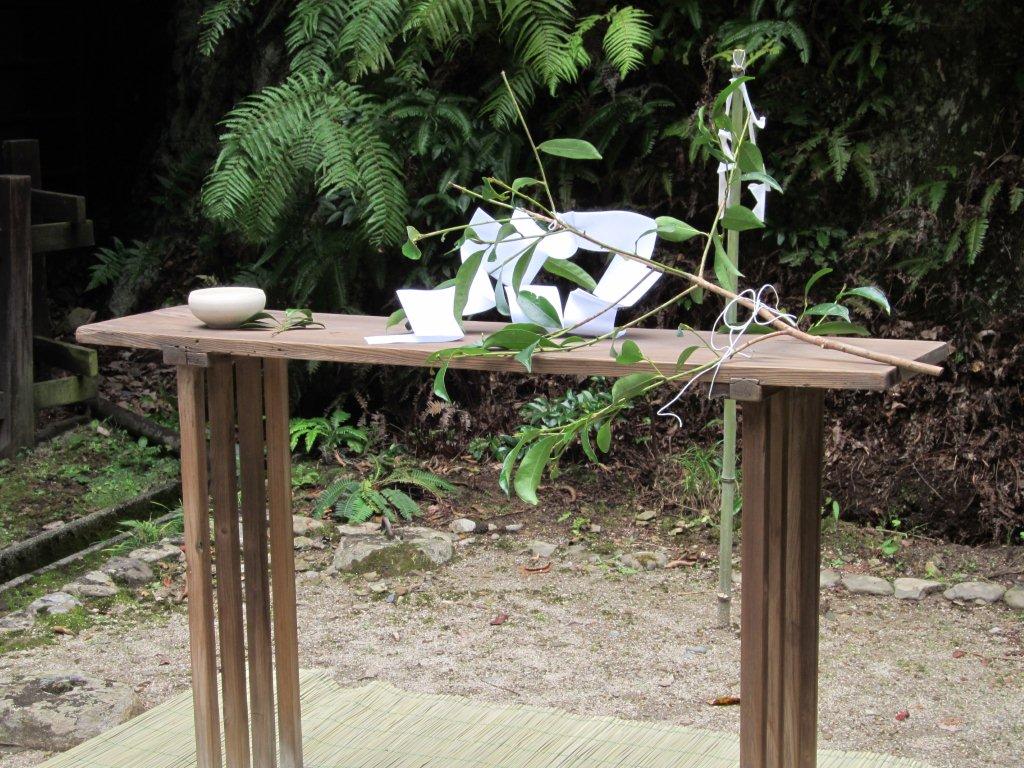
Sakaki is considered a sacred tree in the Shinto religion along with other evergreens such as hinoki 檜 “Japanese cypress” and kansugi 神杉 “sacred cryptomeria”. In Shinto ritual offerings to the kami, branches of sakaki are decorated with paper streamers to make tamagushi.

Linguistic background

The Japanese word sakaki is written 榊 with a kanji character that combines ki 木 “tree; wood” and kami 神, depicting “sacred tree; divine tree”.

Sakaki 榊 first appears in the (12th century) Konjaku Monogatarishū, but two 8th-century transcriptions are 賢木 “sage tree” (Kojiki) and 坂木 “slope tree” (Nihon Shoki). Sakaki 賢木 or 榊 is the title of Chapter 10 in The Tale of Genji (ca. 1021).

The etymology of sakaki 榊 is uncertain.  With linguistic consensus that the -ki suffix denotes 木 “tree”, the two most probable etymologies are either sakae-ki “evergreen tree” (from sakae 栄え “flourishing; luxuriant; prosperous”) or sakai-ki “boundary tree” (from sakai 境 “boundary; border”). Carr (1995:13) cites Japanese tradition and historical phonology to support the latter etymon.

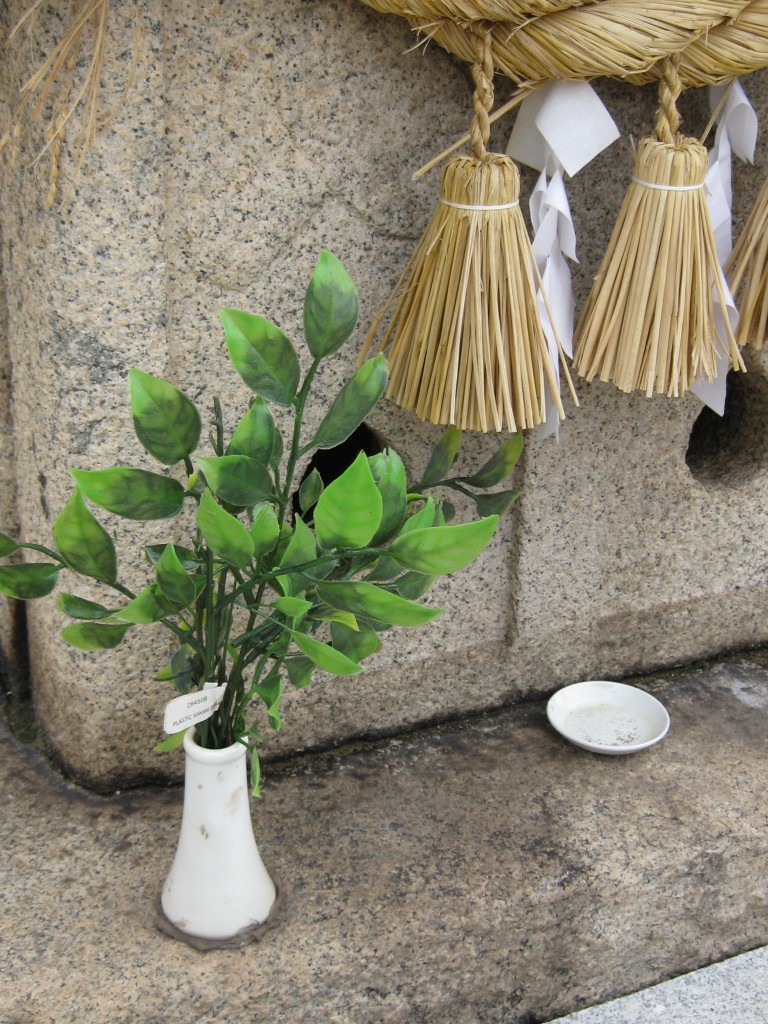
Plastic sakaki: pretty strange for a nature religion one might think, but as ever in Japan the form's the thing

Yakudoshi (Years of misfortune)

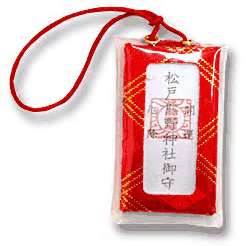
Omamori (protective amulet)

One thing you’ll often find at shrines are amulets and services to protect against ‘yakudoshi‘, years when one is  susceptible to misfortune.  I used to think it was pure superstition, but when I got to the age of 42, a yakudoshi tme for men, strange things started happening to my body.  It made me suppose that it was a pivotal time in the aging process, and that like many ancient practices there was probably more than a grain of truth to it.  A Daily Yomiuri article suggests that others have been thinking along similar lines.

***************************************************************

Yakudoshi key to happiness
Yoshiko Kosaka / Yomiuri Shimbun Staff Writer  Dec. 7, 2012

Yakudoshi is a Japanese folk custom that warns that a person is more likely to experience misfortune or illness at specific ages. To avoid bad things from happening, it is believed one should live modestly during those years.

Yakudoshi is nothing new–it’s a belief that has been passed down for ages. But recently, more people are starting to reconsider their lifestyle by taking better care of their health and making friends of a similar age in their communities.

Generally, men are believed to go through two periods of yakudoshi at ages 25 and 42, while women experience yakudoshi at 19 and 33. Under the yakudoshi concept, a person is 1 year old at birth since the period between conception and birth is considered the first year of life. Year 2 begins at the start of following year.
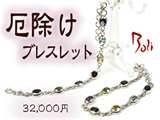
Protective bracelet against yakudoshi

There are various stories why yakudoshi is set at those ages. Some say it comes from the 12-year cycle of the Chinese “eto” astrological calendar, while other say it’s a play on words. For example, in Japanese, “19” is read as “juku,” which can also be written using kanji meaning “multiple suffering,” while “33” can be read as “san-zan,” meaning “hideous.”

Yakudoshi ages are also calculated differently depending on the shrine or temple.

The Fukuoka-based private research institute Anti-Aging Laboratory, which was established by a health food company, conducted a survey in August on 2,000 people aged between 30 and 69.

According to the survey, 32 percent of respondents “care about yakudoshi,” and 36 percent said they had gone to temple or shrine to receive “yakuyoke” or “yakubarai” blessings to ward off misfortune.

More than 40 percent said they believed they were more likely to become sick during yakudoshi years.

The Anti-Aging Laboratory then studied the relationship between aging and illness to propose a set of “new yakudoshi” to promote health awareness.

With support from the Tokyo-based Japan Medical Data Center, the lab analyzed the medical bills of about 1 million people to measure the frequency of seven health conditions, such as cerebrovascular disease, dementia and cancer, at particular ages.

According to the results, illnesses were more likely to occur in men at the ages of 24, 37, 50 and 63, and at 25, 39, 52, and 63 in women. These ages were then set as the new yakudoshi.

“We hope the new yakudoshi will become a good opportunity for people to review their lifestyles so they can live longer lives,” said Anti-Aging director and arteriosclerosis expert Hiroshige Itakura.
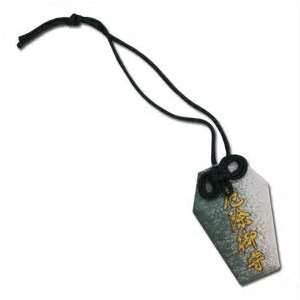
Protective amulet

===

Popular among youth

Young people in particular also seem to be interested in yakudoshi.

Iwashimizu Hachimangu in Yawata, Kyoto Prefecture, a shrine known for specializing in yakuyoke, has seen an increase in the number of young people visiting for that purpose.

“They seem to think of this shrine as a ‘power spot.’ I’m often asked to explain about yakuyoke,” said Norito Sakurai, a spokesperson for the shrine.

Meanwhile, many women in their 30s have taken to visiting Nishiarai Daishi in Adachi Ward, Tokyo. According to the temple, 37 is also an unlucky age for women and as a result, many women who have turned or will turn 37 visit there.

Young people in their 20s and 30s are also often spotted at Sano Yakuyoke Daishi in Sano, Tochigi Prefecture.

“Yakudoshi has another meaning of ‘yaku o morau‘ [getting a role]. It’s considered to have a positive vibe as a turning point in a person’s life,” said essayist Hiromi Tanaka, an author of a book on yakudoshi.

“The number of women who visit shrines or temples for fun has increased over the last couple of years, and I think they are showing some interest in experiencing this old custom in the same way foreigners are interested in seeing Japan,” she added.

Yakubarai – purifying against yakudoshi

A reason to get together

Some groups use yakudoshi as a way to get people to interact with others in their community.

Three years ago, Heartwell 21, a nonprofit organization in Kitakyushu, began inviting yakudoshi age employees from local companies to attend yakubarai rituals together as part of exchange events.

“Participants of the same generation wine and dine together [after the ritual] and get to know each other while learning about a traditional Japanese custom,” said an NPO staff member.

At Goyu Shrine in Toyokawa, Aichi Prefecture, men get together to form a “Yakudoshi-kai” group for organizing a summer festival.

The main purpose of the festival is yakubarai, but Yasuyuki Fukui, 40, one of the group’s members, said, “The festival will help strengthen the sense of unity among those of the same generation, while preserving our region’s traditions.”

Kokugakuin University Prof. Takanori Shintani, a folklore expert, said: “Japanese have long felt secure by casually practicing yakubarai. In times when people feel the future seems uncertain, they seek security and review their lives–yakudoshi could be an indicator of that.”

****************************************************************************

NB  The Kokugakuin encyclopedia offers this interesting snippet about the origins of yakudoshi…..

” Originally, yakudoshi is said to have signified auspicious ages that called for a ceremonial “celebration of longevity” (toshi iwai), similar to kanreki at 60 years of age and koki at 70 years of age. A person reaching a yakudoshi age was thus required to undergo purification by abstinence and confinement and to engage in sacred Shinto activities—such as carrying a portable shrine (mikoshi) or joining a shrine guild. Consequently, the term is also used in the sense of yakudoshi (役年), an age at which one must assume “duties” (yaku 役). At present, the word possesses little of its former meaning of an auspicious age, strongly retaining only the sense of taboo that calls for restraint in starting new construction, new projects, and so on.”

— Yumiyama Tatsuya
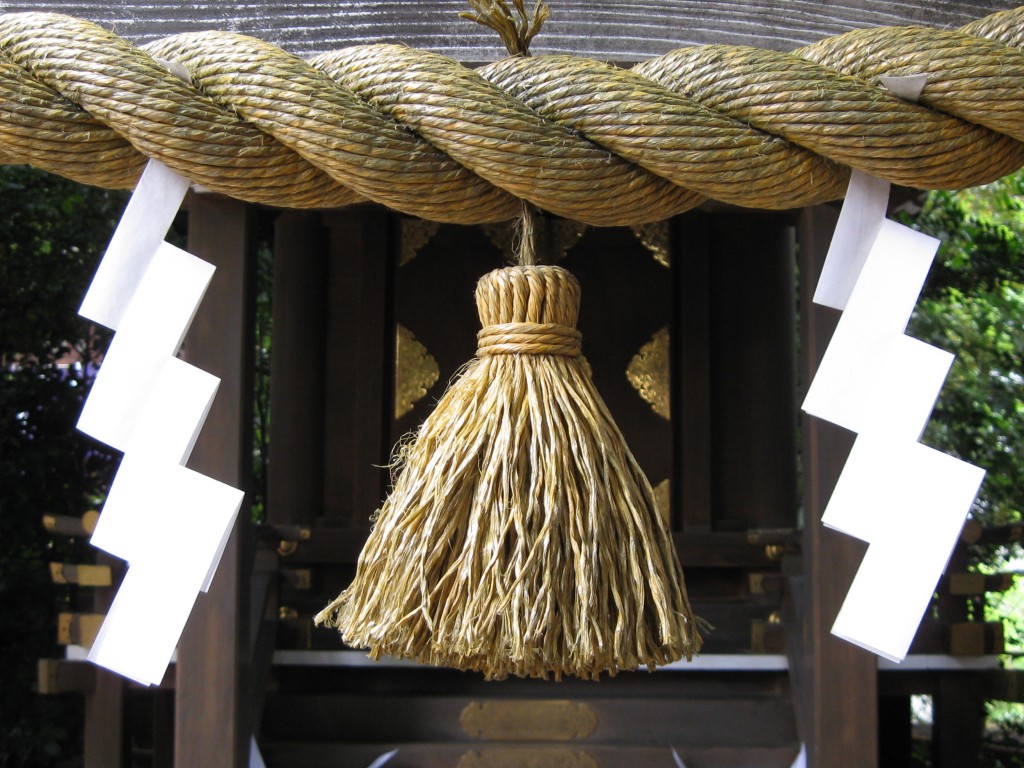
 

Wake up!

Waking up to the wonder of life


Last summer I attended an inspiring talk by Graham Hancock (author of Fingerprints of the Gods).

Looking through his webpage, I came upon a wonderful interview with Tim Freke, author of The Jesus Mysteries, who speaks of awakening consciousness.

It sums up for me the sense of awe that Joseph Campbell said lies at the heart of Shinto. It’s something too to which spiritual atheists can easily relate.

There’s a brilliantly produced video with this that I would really recommend taking a couple of minutes to sit through. Just scroll to the bottom of the interview to reach it on this page: http://www.grahamhancock.com/interviews/TimFreke.php

*********************************************************************

Here Graham Hancock’s son, Luke, puts a question to Tim Freke:
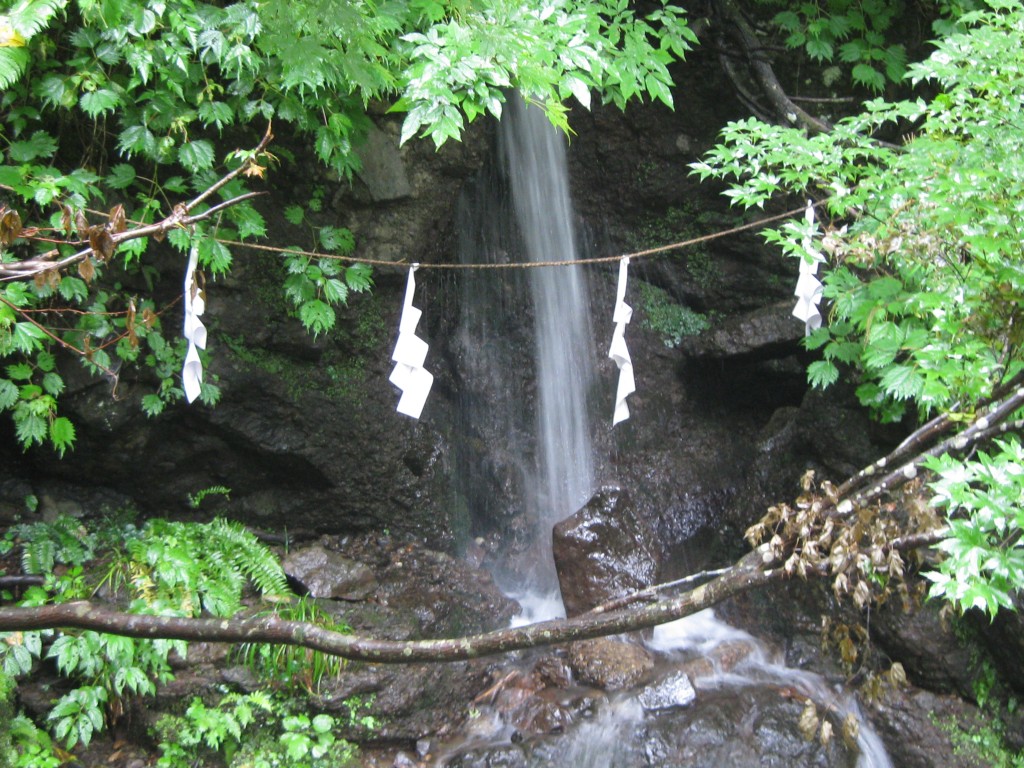
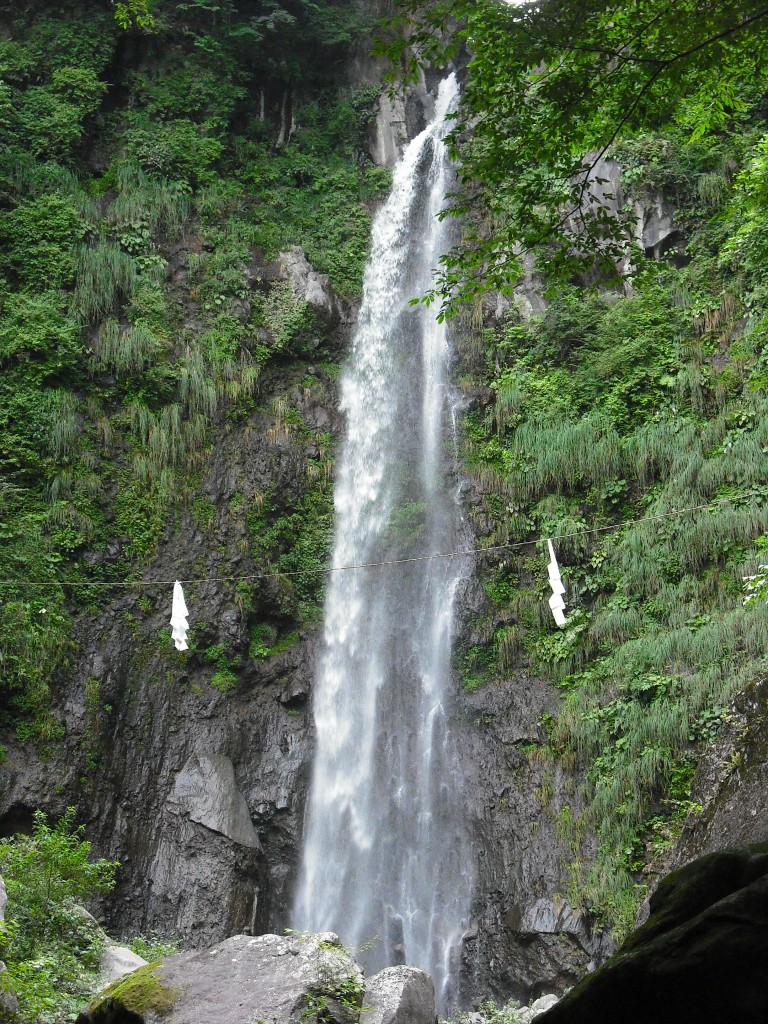
Q: The idea presented in your new book is, as I understand it, that there’s a state of interconnectedness and bliss that we can slide into at times, and it brings us into awareness of “the big wow!”, where we become conscious of the beauty, magic and mystery of life.  I love getting into that state of interconnectedness and gratitude, but I always eventually slip out of it. Certain practices bring me there – my favourite being going into waterfalls in forests. Psychedelic plants also tend to have that effect, and it always lasts for a while – sometimes days, sometimes weeks. But maintaining it is the problem. What is your advice to stay in that level of consciousness?

Tim: Waterfalls in the deep forest … that makes me feel WOW just reading it Luke!

It seems to me that consciousness is always in flux so there is no permanent awakened state. Everyday we become tired and need to dissolve back into deep sleep, before arising refreshed. Consciousness arises with energy. As the energy fluctuates, so do our states. However, we can nurture the deep awake state so we inhabit it more of the time … as we surf the ups and downs of life. In my new book i progressively outline a series of very simple but powerful practises that can facilitate our journey of awakening. Here’s one especially for you ;-)

The simplest way to wake up is to remember to wonder at the breathtaking mystery of existence. The moment we do this consciousness starts to change. Wonder is an open doorway to a deeper state.

It is easier to experience wonder in a beautiful setting – such as under a waterfall in the forest. Or on psychedelics when our perceptions are transformed and we see the world in an utterly new light.

So my suggestion is this. Wherever you find yourself when you want to wake up, remember your experience under the waterfall … how it feels … the raw sensuality … the inexpressible beauty. And then look around you at the world before you with the same sense of wonder. It is just as miraculous. Life is always magical, even when it is also mundane. The simple fact that this vast universe exists and we are here to experience it is more wonderful than words can ever say. Become conscious of that and your state will start to change. You’ll remember you’re alive and how good it is to BE.

"Wonder is an open doorway to a deeper state."


The sheer magic of life


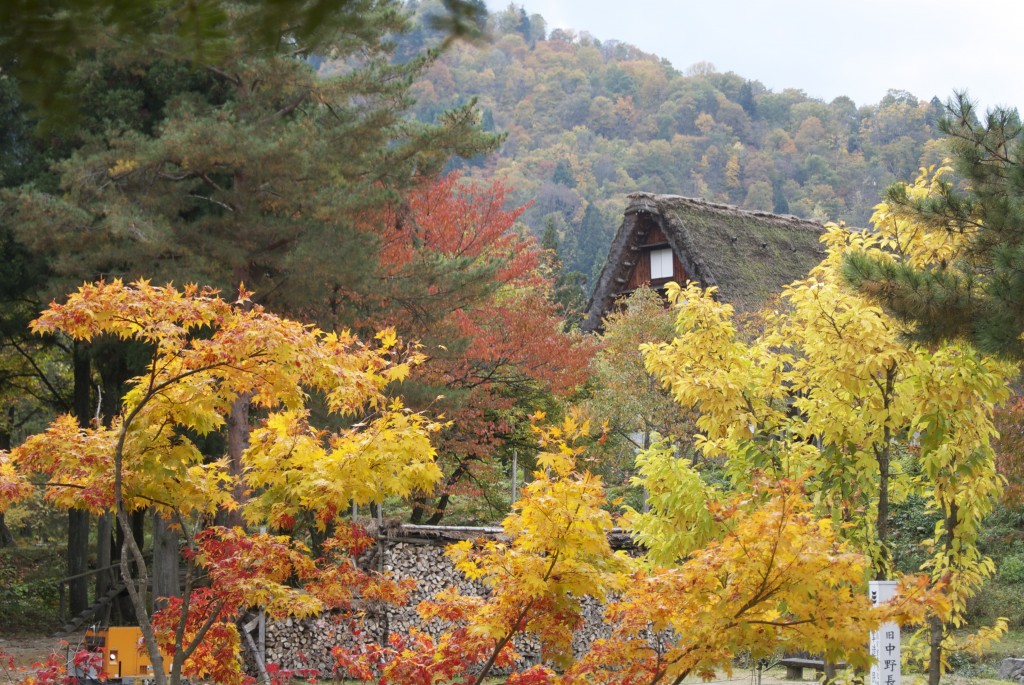
The beauty and the pathos: last of the year's changing leaves at Shimogamo Shrine

Ogasawara Islands

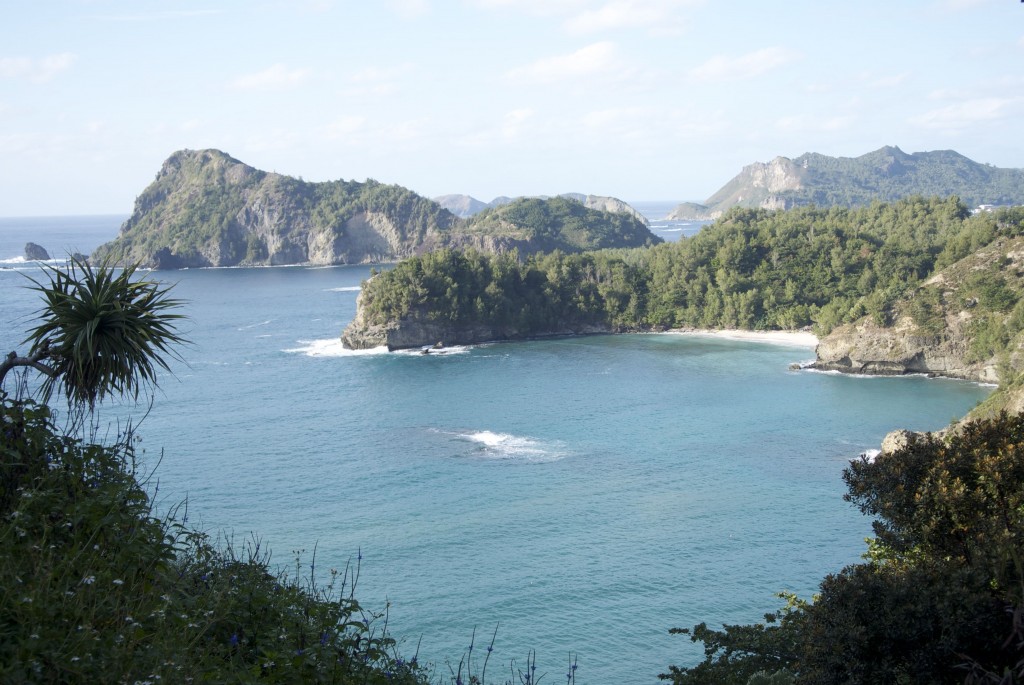
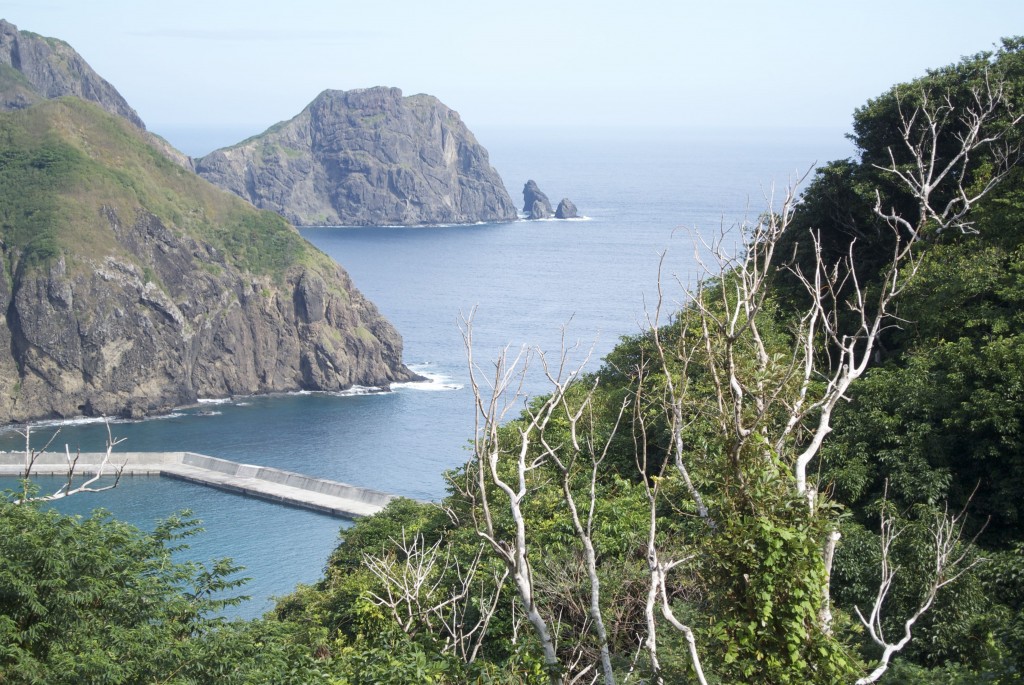
A deserted bay at Chichijima in Ogasawara, one of only two inhabited islands amongst the 30 or so in the archipelago


There can’t be many blog entries about Shinto in Ogasawara (aka the Bonin Islands)!

One reason would be their remoteness (25 hours by ship from Tokyo).  Another would be their size (2 inhabited islands with a population of 2500).  But the most telling reason of all would be that they were uninhabited until relatively recently – the 1830s – and even then they were settled by Westerners.  It was not till the 1860s that the islands were claimed by Japan, and only afterwards did the setting up of shrines become a possibility.

Such is the curious history of the islands that descendants of the original American sailors remain to this day.  Nathaniel Savory was their leader, and his descendants are now known as Saberi – they even have kanji for their name, which they were forced to adopt in World War Two.  The descendants of a sailor called Washington made things easier for themselves.  They changed the family name to Kimura.

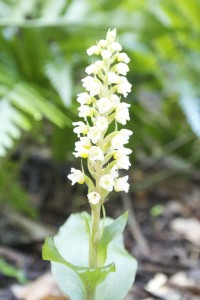
One of several plants on Ogasawara that are endemic to the islands

What were the American sailors doing there in the first place?  Well, they belonged to a founding group of over 20 people, some of whom were Europeans and several of whom were Polynesian ‘wives’.  They were an outpost for the whaling expeditions being mounted in the Pacific, to provide fresh supplies. The group of 30 or so islands lay about 1000 kilometers south of Edo and were uninhabited.

A British ship called by at one stage and left them a Union Jack, hoping to claim them for the Empire.  Some time later, in 1853, Admiral Perry came to visit and instructed the ragamuffins on how to form themselves in American fashion.  As leader he appointed a sailor from Hawaii.  It led to a spat between the UK and the US over ownership.

The group had settled on an island now called Chichijima, but at some stage an English sailor called James Motley took it upon himself to move to a neighbouring island, now known as Hahajima, with his wife Ketty.  There they were joined by a German called Rolfs, originally from Bremen.  When Motley died, Rohlfs married his widow – conveniently since there was no one else available on the island.

Things came to a head in 1861 when the Japanese government in Edo decided to establish their rule and sent an expeditionary force, but it was not until the 1870s that the islands were officially integrated into Japan.  The Euro-Americans were allowed to remain, but Japanese settlers were brought in from Hachijo-jima.  The mixed community survived by farming and fishing, until WW2 when the fighting in the Pacific forced evacuation of the islanders to Tokyo.  (Iwo Jima lies not far away.)

After the US conquered the islands, they occupied them until 1968, when they were handed back to Japan.  Some of the islanders returned, but only a small percentage.  They have since been joined by others, looking to start a new life.  Now descendants of the original inhabitants are few, and it’s said that 80 percent of the population are ‘newcomers’.

Shrines

Ogasawara Shrine, which honours the putative discoverer of the islands as kami


Of the two shrines on Chichijima, one is dedicated to the supposed discoverer of the islands, a samurai called Ogasawara who according to tradition came upon the islands in 1597.  (No one seems certain if this is true or just a legend.)  Usually a founder-ancestor is honoured by a splendid shrine, but there was a desultory atmosphere with some ugly sheds nearby.  But at least there was a view of the sea for the one-time mariner.

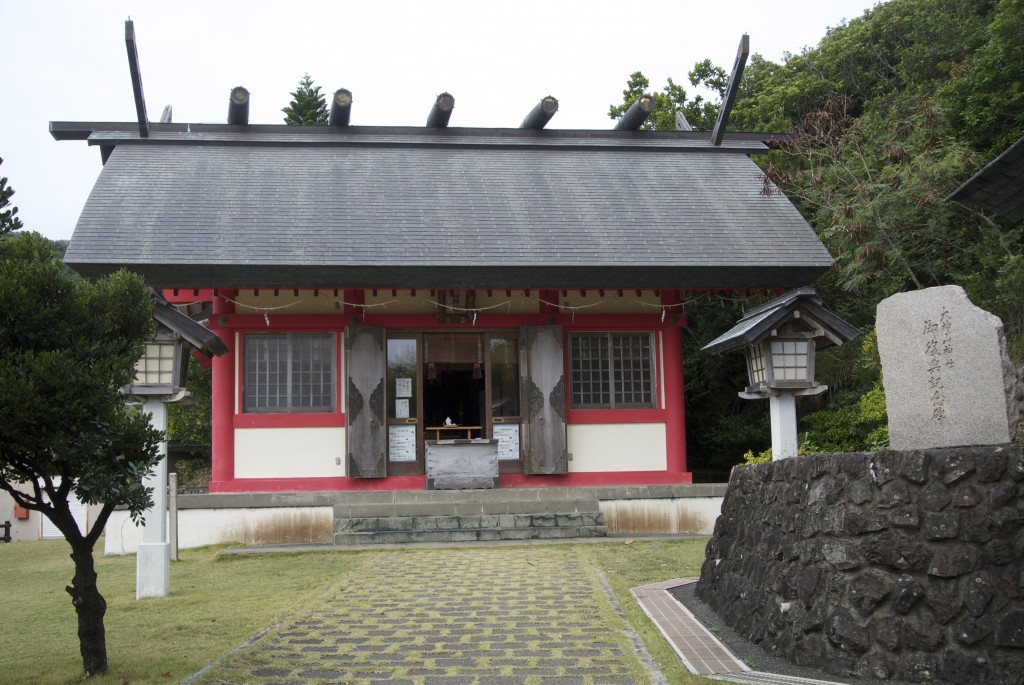
More impressive is the island’s main shrine, called Ogamiyama.  It honours Amaterasu as well as the Kumano and Kasuga kami, and stands on a hill in front of the island’s harbour, with 125 steps leading up to it.  There were two note-worthy features: one was that the wash-basin had a sliding panel in order to keep birds from washing themselves in the water.  The other was that the shrine sported a sumo ring.  Here on this Pacific Island, with its small population, the mainland tradition of wrestling for the pleasure of the kami is carefully cultivated.

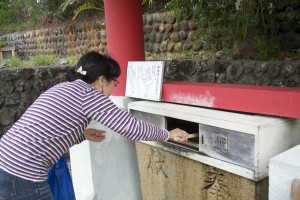
The wash-basin shielded by a box with sliding panel to keep away birds that want to purify themselves

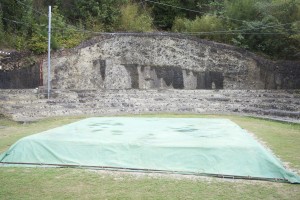
The sumo ring with seating behind, where the island's young men display their robustness to the kami


The Ogamiyama Jinja, main shrine on Chichijima Island


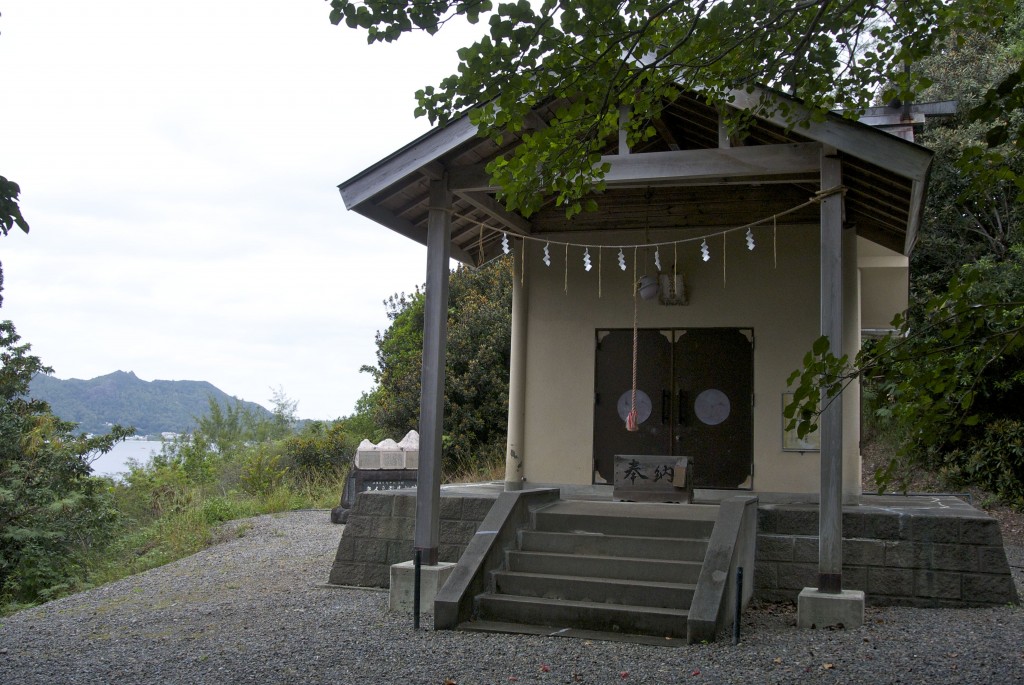
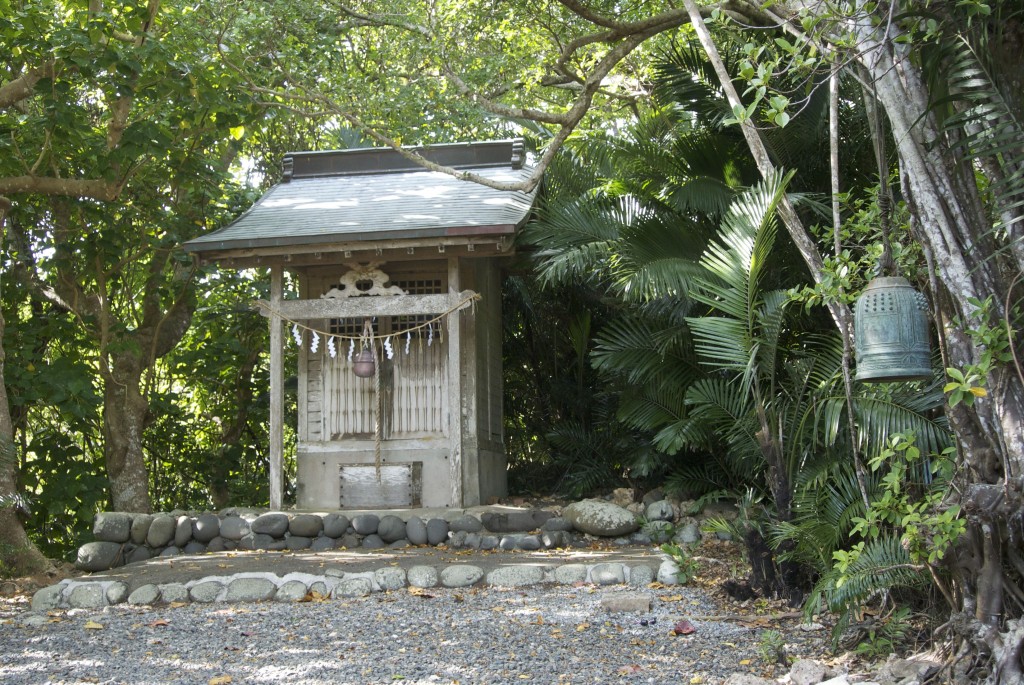
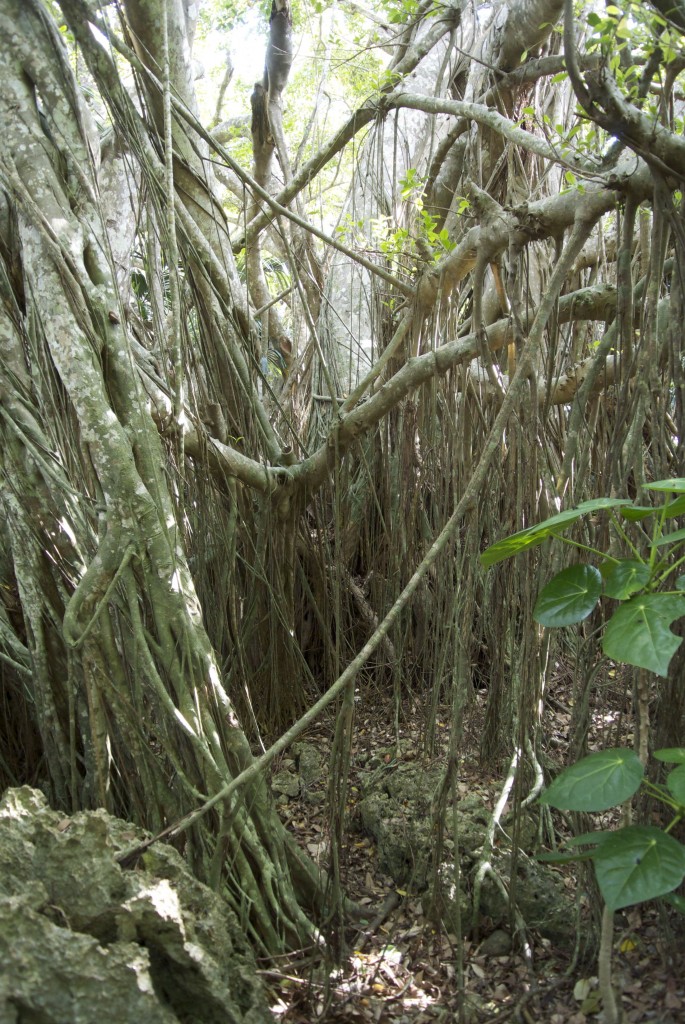
On the smaller island of Hahajima, the Tsukigaoka Shrine stands on a small but steep incline in front of he port.  The building itself is nothing special, but behind it is a most wonderfully atmospheric area of gnarled trees and strangely shaped rocks.  The path leading through it is overgrown and apparently little used, but the early settlers of the island must surely have sensed here something of the fecund spirit of the island.

The shrine at Hahajima. Notice the buddhist-style bell hanging from the tree.


Part of the atmospheric surrounds behind the shrine


World Heritage
Last year the Ogasawara islands were made a World Heritage Site because of the unique nature of the environment.  While the rest of Japan was once joined to the Asian continent, Ogasawara was not.  It led to a distinctive evolution for its flora and fauna, and the islands have been nicknamed ‘the Galapagos of the East’.

There are several trees and flowers endemic to the island, while on a night tour I got to see the Bonin bat as well as a unique type of fluorescent mushroom.  The early settlers introduced animals and plants that have proved destructive of the natural environment; wild goats for instance eat endangered species, and feral cats have hunted a rare type of pigeon almost to extinction.  As a result there are measures to remove the outside species and to prevent seeds and spores being brought in from elsewhere.  Tourism is limited, with no airport and the only means of access the Ogasawara maru out of Tokyo.

The intention now is to preserve the environment of the past for future generations.  In this way the spirit of place honoured by the Shinto shrines finds harmony with the Unesco programme of preservation.  Long live Ogasawara!  With their clear blue seas, coral reefs, thickly wooded hills and unspoilt nature, these are islands to savour and treasure.

Coastal view on the sparsely populated Hahajima


A turtle enjoys the clear waters around the islands


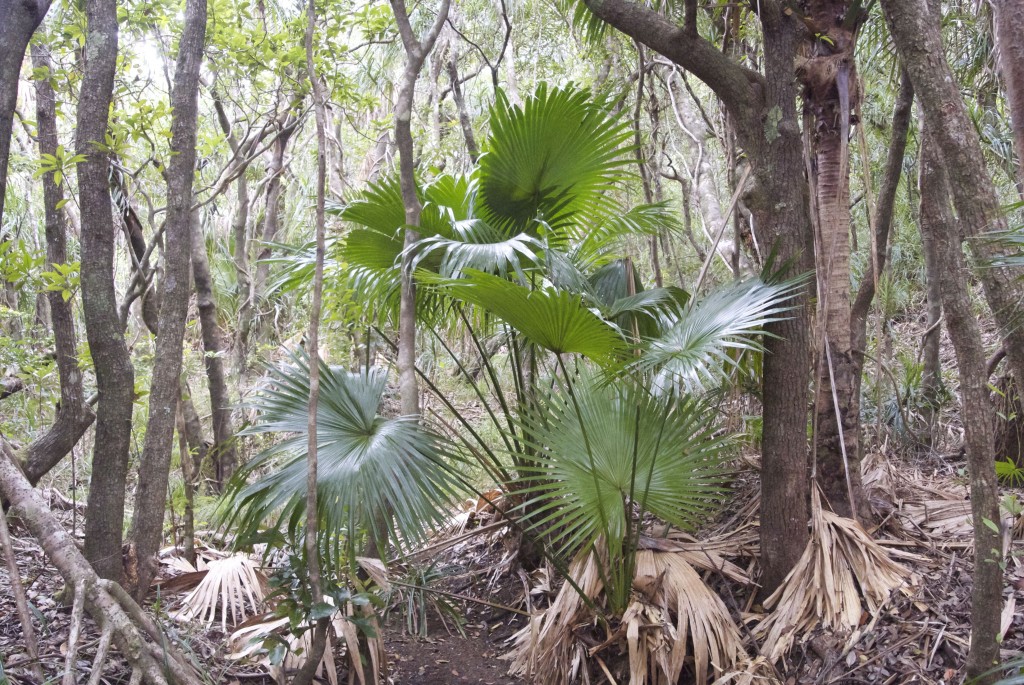
The vegetation on the islands is lush and in many cases unique


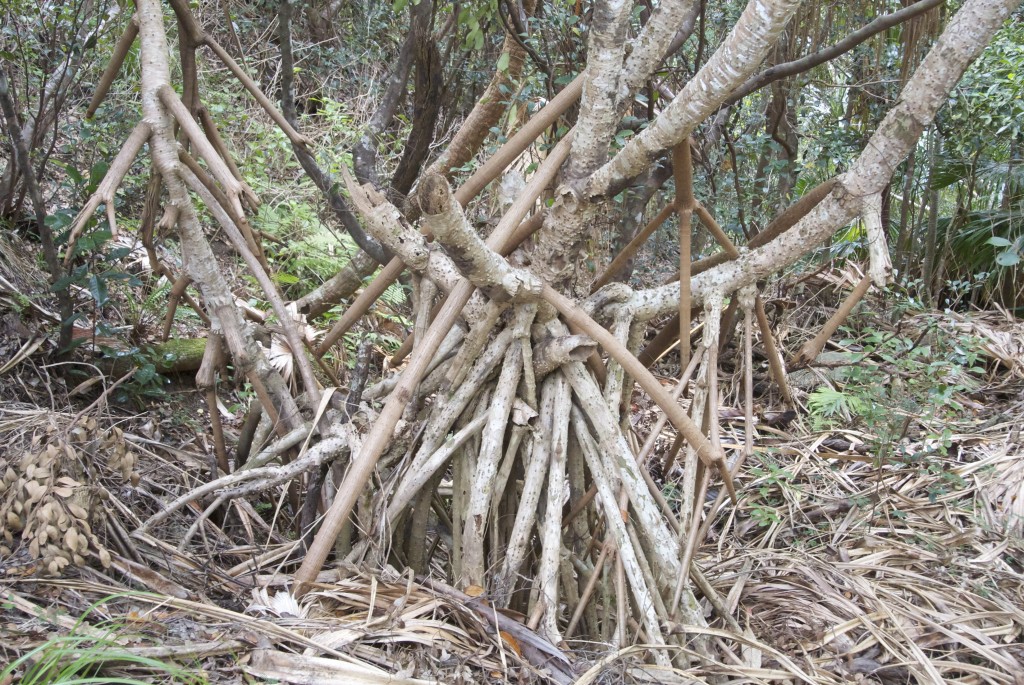
The distinctive Octopus Tree (tako no ki), named after the many 'legs' it has

Picture of the day

PHOTO BY MASA

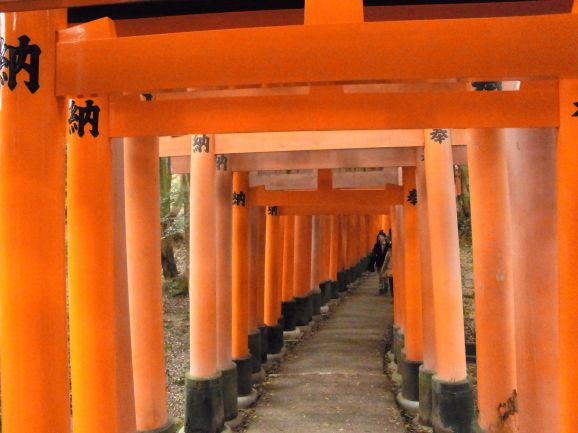
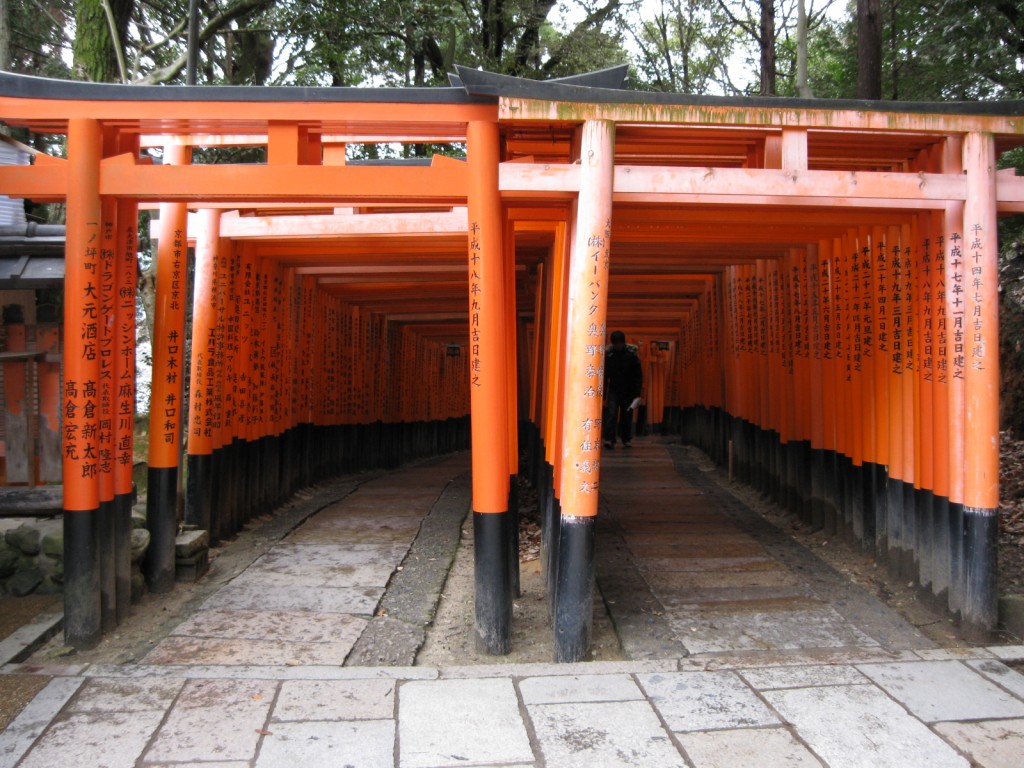
Picture of the day on Japan Today.  Instantly recognisable as Kyoto’s Fushimi Inari, and without doubt my favourite place in the city. The caption for the picture runs as follows:

Fushimi Inari Shinto Shrine in Kyoto. Thousands of vermilion torii gates straddle a network of trails behind its main buildings. The trails lead into the wooded forest of Mount Inari, which stands at 233 meters. Inari is the god of rice and patron of business. Each of the torii is donated by a Japanese business.

Well, there’s a lot more that can be said about the shrine.  In fact, I did myself in a previous blog entry!  (click here.)
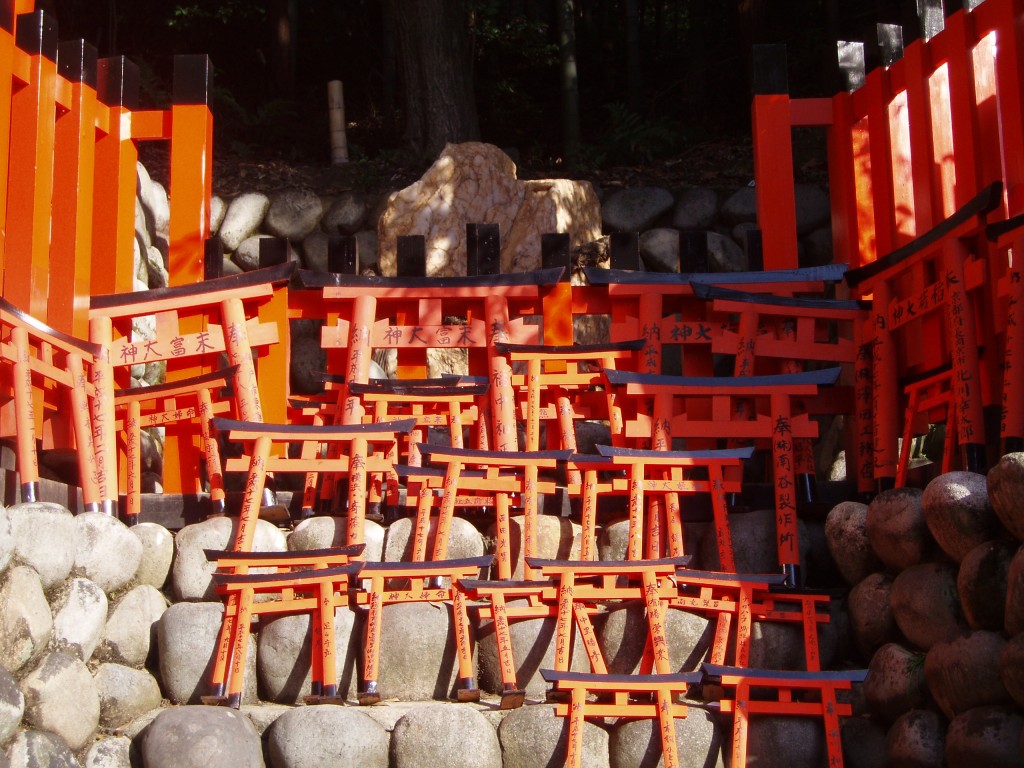
Another place that you could find out even more about it is in the brand new publication, Shinto Shrines, published by the University of Hawaii Press and written by Joseph Cali with John Dougill.  I just received my copy today and, if I may be so bold, it’s an impressive item packed with an encyclopedic amount of information.

One outstanding feature, in my most humble opinion, is the Introduction of some 50 pages of small print, which provides one of the clearest and most authoritative explications of Shinto of which I know.  All credit here has to go to Joseph Cali, who spent goodness knows how long researching the book.  Hopefully, it will remain a reliable resource for some time to come.  (For an interview with Cali about the book, please click here.)

***********************************************************************

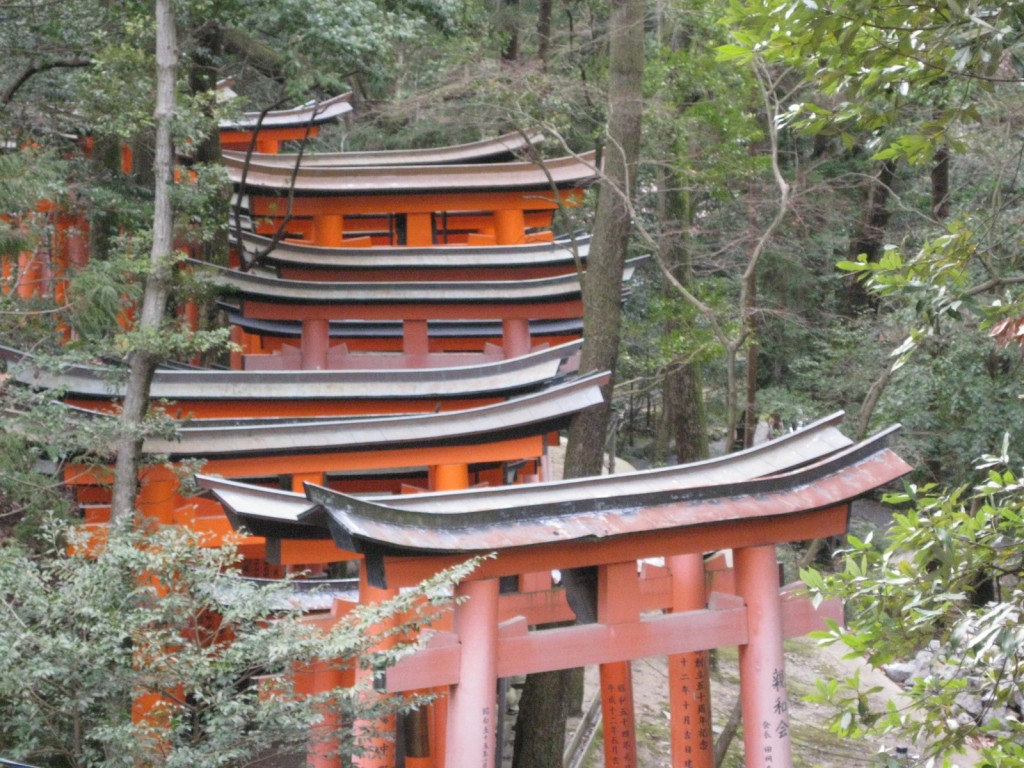
The hillside pulsates with spiritual expression.

A vista that beckons ever onwards and upwards

"But which is the right way to go?" asked Frodo. "Maybe there is no right way," answered Gandalf.

« Older posts Newer posts »

© 2026 Green Shinto

Theme by Anders NorénUp ↑