Author: John D. (Page 183 of 202)

Downtown New Year decorations

My first visit to downtown Kyoto in the year of the dragon revealed an array of New Year decorations.  A previous entry discussed Japan’s New Year (see here), but today led me to investigate the symbolism further. It’s amazing what is going on in these simple displays: no wonder Derrida called Japan an Empire of Signs!!

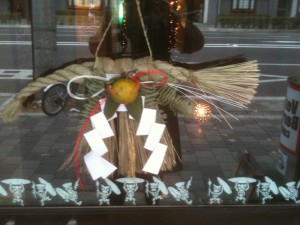
Kyoto style with rice rope, white shide paper strips, daidai orange, rice grains and urajiro fern, complemented by a red mizuhiki string (red and white being congratulatory colours). The rice rope is to protect the building and is said to be a reference to the Rock Cave myth when Amaterasu was prevented from reentering by a rope stretched across the entrance.

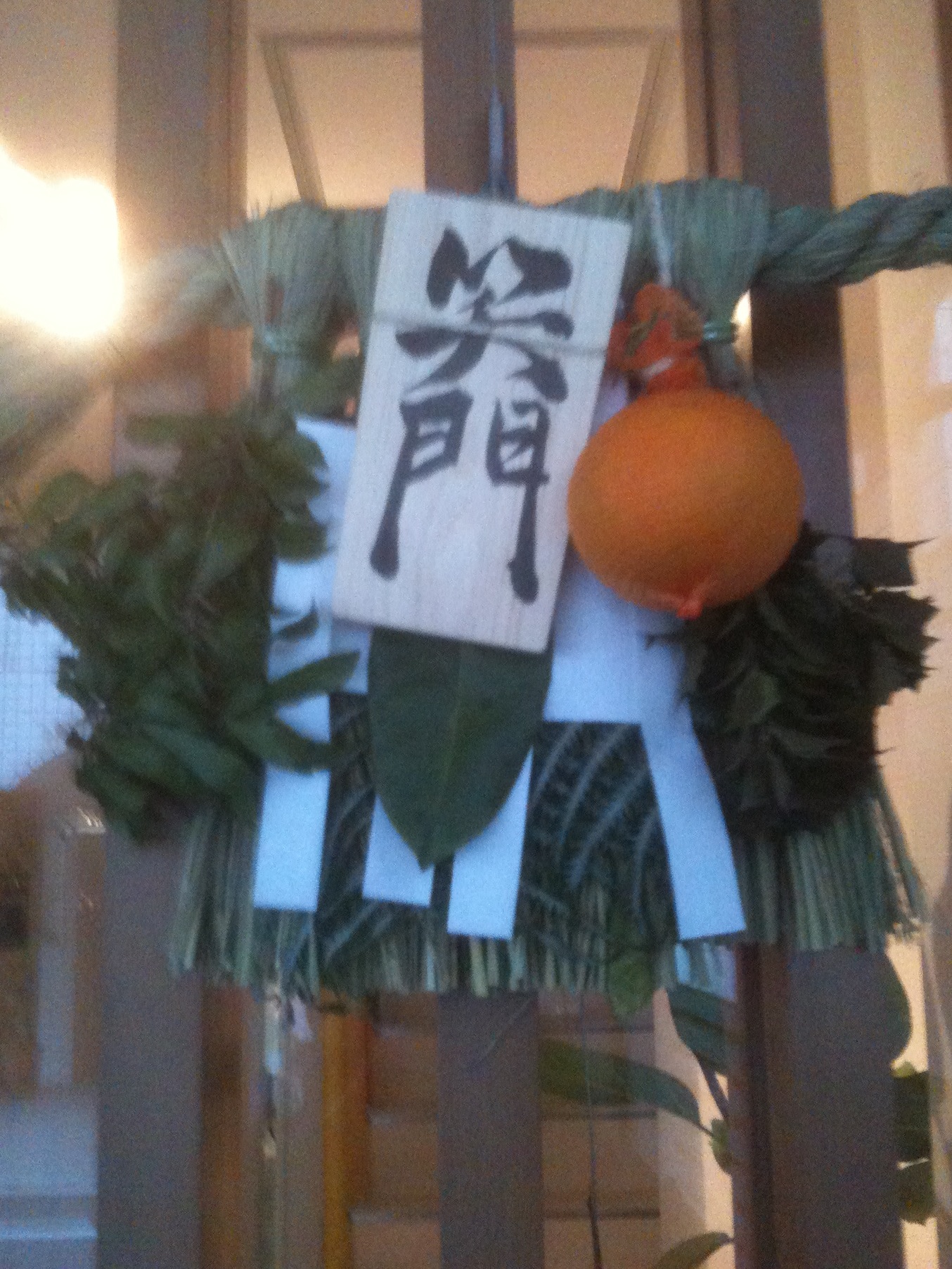
This display says 'Shomon' meaning Laughing Gate, the idea being that if you smile or laugh (both are warau), then happiness will enter into your house.


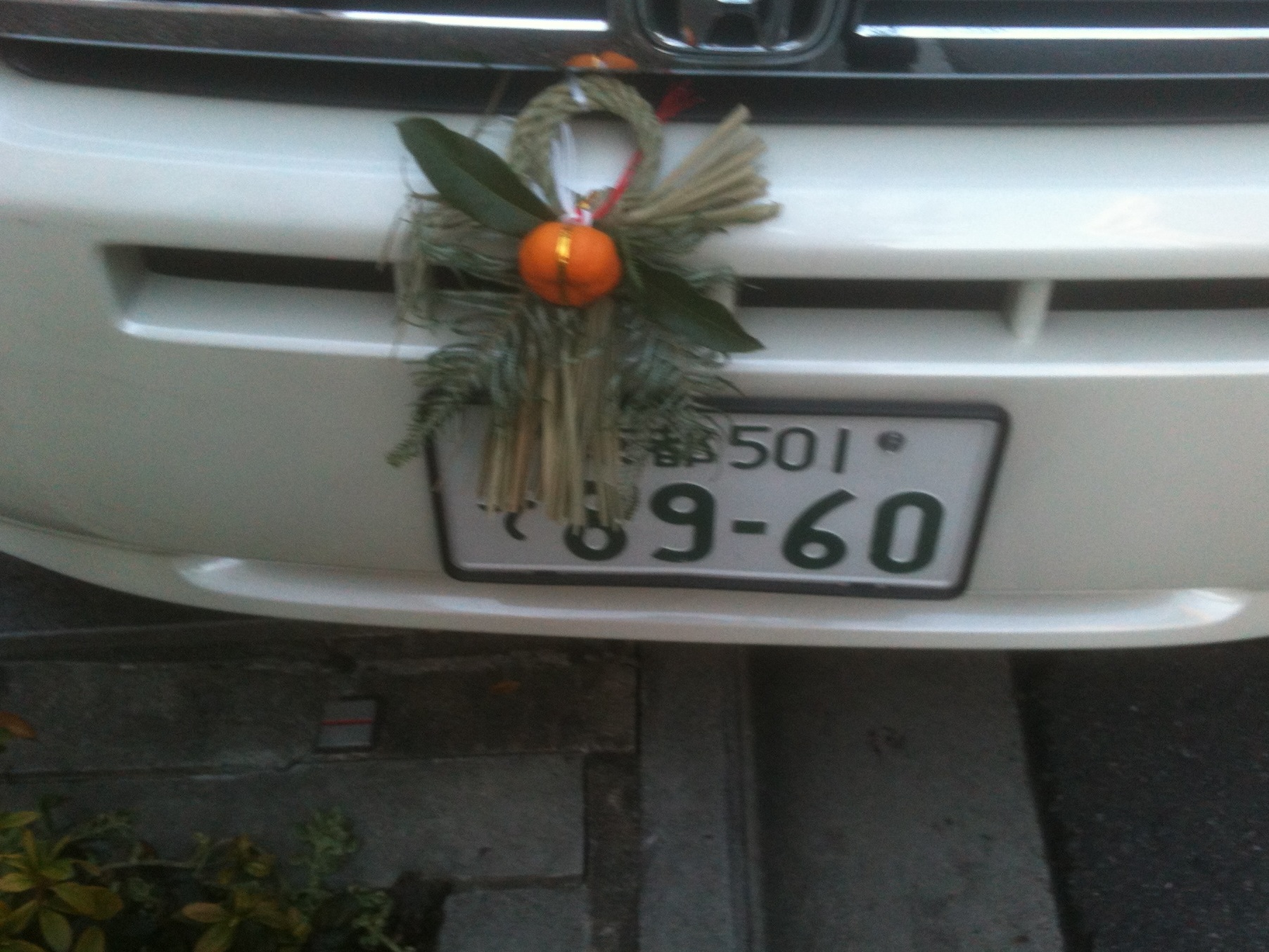
Car decoration, with rice rope, daidai orange, yuzuriha leaves and urajiro fern leaves. The yuzuriha new leaves push out the old ones, symbolising the passing to a new stage of life. Urajiro leaves are white on the back, and the fern symbolises conjugal life because the fronds form in pairs from the stem.


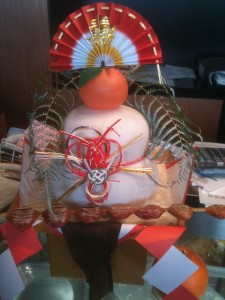
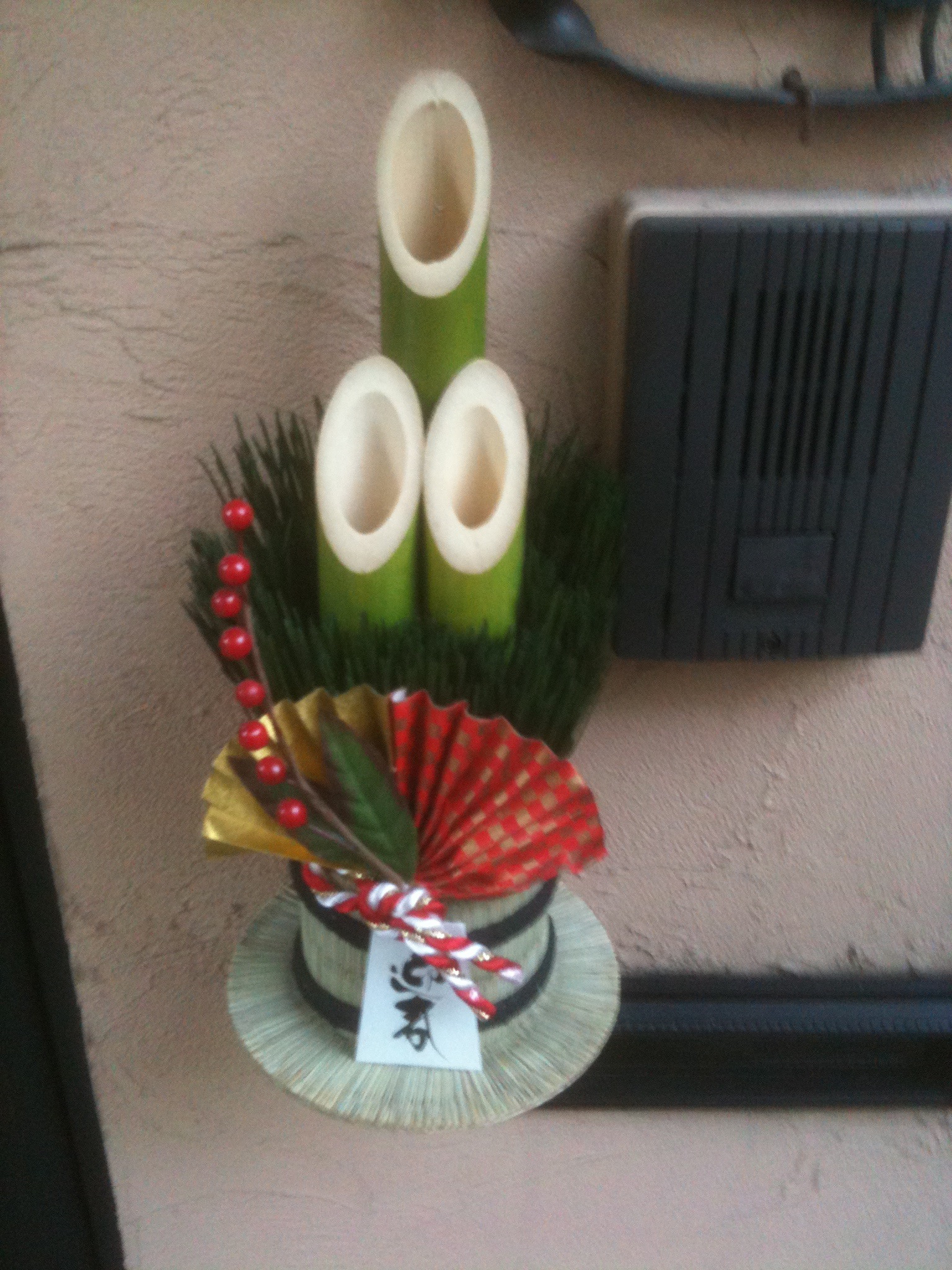
Kanto style with with fan spread out to show the future, urajiro conjugal fern leaves, a couple of rice cakes and an intricate mizuhiki knot in the style of a lobster (for long life).


This Kadomatsu decoration says Geishun (Welcome Spring), a little early you might think in the midst of January snows but in the old lunar calendar, when the Japanese New Year coincided with the Chinese instead of the Western calendar, it made good sense.

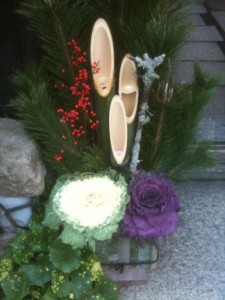
Kadomatsu in traditional style. Bamboo (for perseverance), pine (longevity), and plum (for the coming spring) with nanten red berries (bad things will turn to good) and habotan cabbages (for luck).


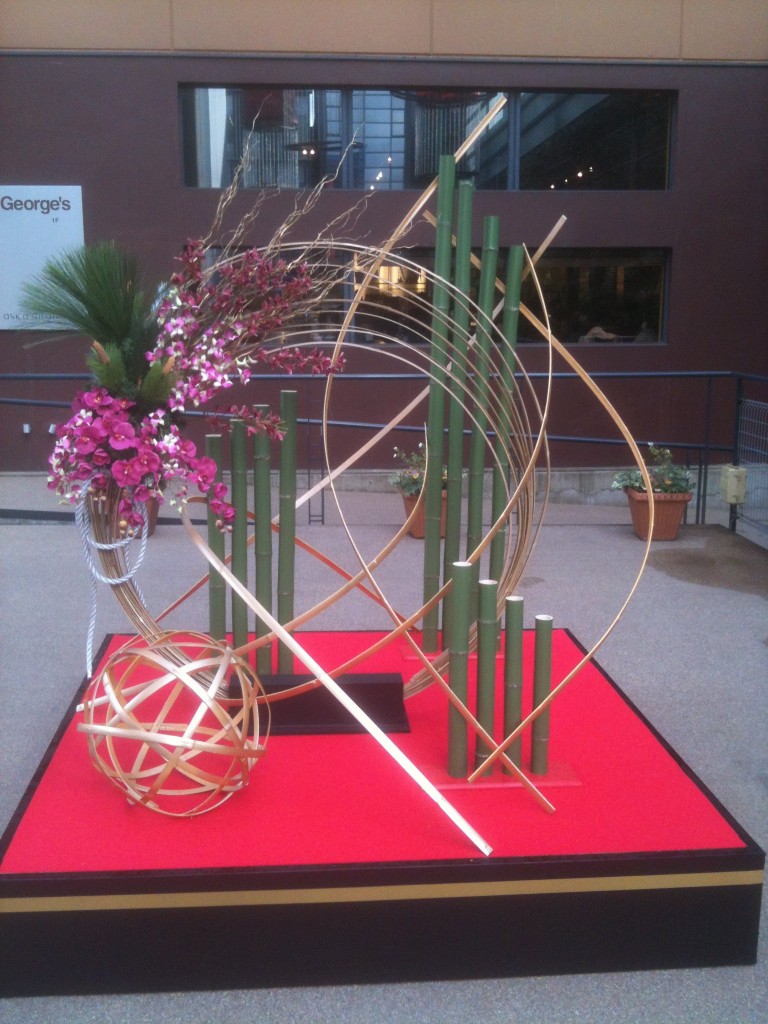
Artistic contemporary style using traditional materials, with a splash of gold and silver for the congratulatory effect

Sword and Blossom (Book Review)

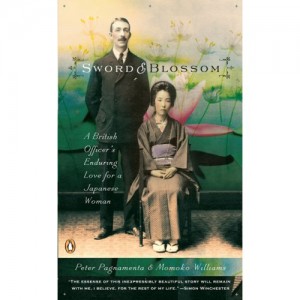
Sword and Blossom: A British Officer’s Enduring Love for a Japanese Woman by Peter Pagnamenta and Momoko Williams  Penguin, 2006  345 pages

This is not a Shinto book at all, but a love affair between an Anglo-Irish officer, heir to a large estate, and an ordinary Japanese woman who bore him two children.  Arthur Hart-Synnot was from a military family who saw service in the Far East as a career opportunity.  Masa Suzuki was taken on as housekeeper and interlocutor.

The relationship is pieced together by the authors from a treasure trove of 800 letters, written by Hart-Synnot in Japanese on handmade paper in lengths of several feet which were carefully folded and enclosed with pressed leaves and dried flowers. They cover the period from 1904 to World War Two, but were only discovered amongst heirlooms in 1982.

It’s a fascinating read, not just for the relationship itself but for the wealth of detail in the background and times. In terms of international politics, it covers the period of the Anglo-Japanese Treaty of 1902, which emboldened the Japanese to take on the Russians in a campaign for which Hart-Synnot acted as observer.

The atmosphere of Meiji Japan and Edwardian England are graphically illustrated, and we learn of the love affair between Britain and Japan in these years when Japonism was all the fashion.  The island mentality of the two countries was seen as cultivating people of similar stock, and a Japanese artist painted Britannia arm-in-arm with Yamatohime, founder of Ise.

With training from the British, the Japanese victory at Tsushima against the Russians was hailed as the greatest naval victory since Trafalgar, and fittingly it took place in the centenary year of the battle.  Togo was seen as the reincarnation of Nelson, and bushido was celebrated as on a par with gentlemanship.  ‘The English gentleman is a peaceful samurai, and the Japanese samurai is an armed gentleman,’ ran a World War One pamphlet.  (How things had changed by World War Two!)

One of the hits of the era was a play called Darling of the Gods, which the Japanese ambassador went to see.  He objected that people were forever bowing in conversation, whereas in reality Japanese only bowed at the beginning and end of exchanges.  He also noted that Shinto and Buddhism were treated as if they were one religion, whereas in fact they were separate – an indicator of how much the Meiji split had taken hold by the early twentieth century.

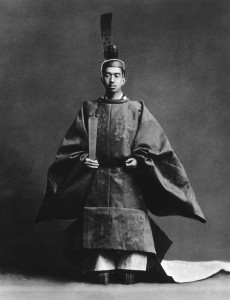
Hirohito (Emperor Showa) dressed in the robes of high priest during his coronation ceremony in 1928 (courtesy of US Library of Congress)

A notable feature of the observations is the strongly patriotic spirit in Meiji times.  ‘By far the most remarkable feature in the Japanese army is the wonderful feeling of devotion to the emperor and their country that pervades all ranks and arms,’ notes Hart-Synnot.  One of his fellow officers spoke of ‘a fanatical wish to die for their country.’

In 1928 Hirohito was enthroned as the new emperor in Kyoto in a ceremony described by one observer as ‘a sacred pantomine’.  The most intriguing aspect of the ceremonies is the Daijosai, where the emperor communes with the spirit of Amaterasu (there’s a good description on the Wikipedia site here.)  At one point the new emperor dons a Robe of Heavenly Feathers, clearly a legacy of shamanic rites when the ruler-priest assumed authority by his ability to communicate with the spirit world.  The present emperor controversially underwent the same ceremony (in Tokyo rather than Kyoto), which for some served to confirm his role as descendant of the sun-goddess.

Historically the narrative moves smoothly through the Taisho democracy movements to the increasingly militaristic and repressive 1930s.  All in all, this is a fascinating and meticulously researched account of Japan in the first part of the twentieth century.  It’s revealing too of the surprisingly close Japan-UK friendship of those times, until separate interests forced the countries apart.  Oh, and there’s also an absorbing romance!  It grows from infatuation to intensity of passion, but later takes a most surprising twist.  It may not be Shinto, but this is a book well worth reading, and belongs up there with Samurai William as one of the most readable of books with a historical theme.

Thank goodness that with all the doom in the publishing world good writing still survives!

Unleashing the dragon within

Today in Kyoto it’s snowing, and after the warmth of the Philippines I’m freezing!  Meanwhile, the year of the dragon is well under way.  In an article in the Japan Times our friend Amy Chavez has great fun with the role of the dragon in Japanese folklore…  well worth checking out for a humorous and fast-paced dragon ride.  Click here.

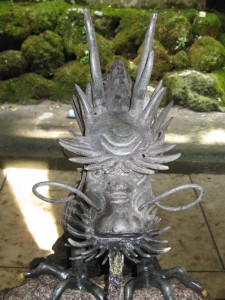
In more serious vein, the dragon is just about ubiquitous in Japanese religion, for it’s not only a guardian of Buddhism but a much featured part of Shinto too.  You’ll find dragons on the roofs of Zen temples (Jake Davis has a stunning shot of Kyoto’s Kennin-ji roof here).  And you’ll often find dragons at water-basins in Shinto shrines, where they act as a symbol of good fortune.  Unlike the fire-breathing monsters of the Western tradition, Japanese dragons tend to be benevolent.

It’s said the dragon originated in China in ancient times, long before the arrival of Buddhism with which it later became associated.  My supposition would be that immigrants from the continent brought tales of the mythical creature to Japan, which came to haunt the Japanese imagination.  It helps explain why the legends and folklore are so unclear about whether there’s a snake, serpent, dragon or monster involved.

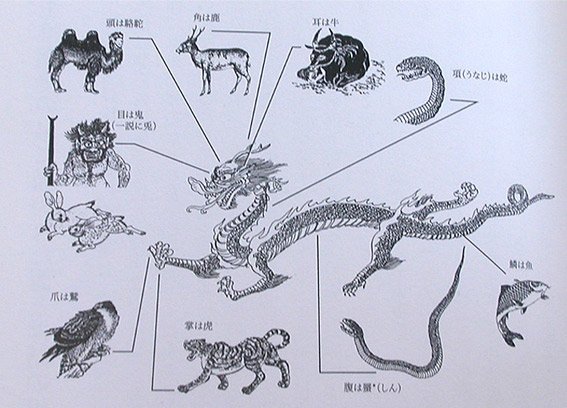
The true dragon is a composite figure, made up of a variety of creatures. In this way, presumably, it has the attributes of all of them, hence its potency.  Maybe there’s a theme there to work on this year: how to harness the strength of different animals. Unleash your inner dragon!

The picture below, taken from a defunct Japanese website, shows the Frankenstein manner in which the dragon is patched together.  As can be seen, the body is indeed snake-like… (Incidentally, a curious bit of trivia: the Chinese dragon tends to have four claws, but the Japanese dragon three.)

Thanks to Mark Schumacher for drawing my attention to the above image and detailing the dragon’s provenance. For those interested in reading more, he’s suggested looking into water deities such as Suijin and Mizu no Kamisama which may well have predated Chinese and Korean immigration. See this page of his wonderful website: http://www.onmarkproductions.com/html/suijin.html

New Year

A merry festive season
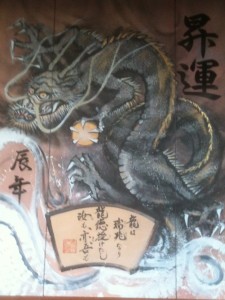
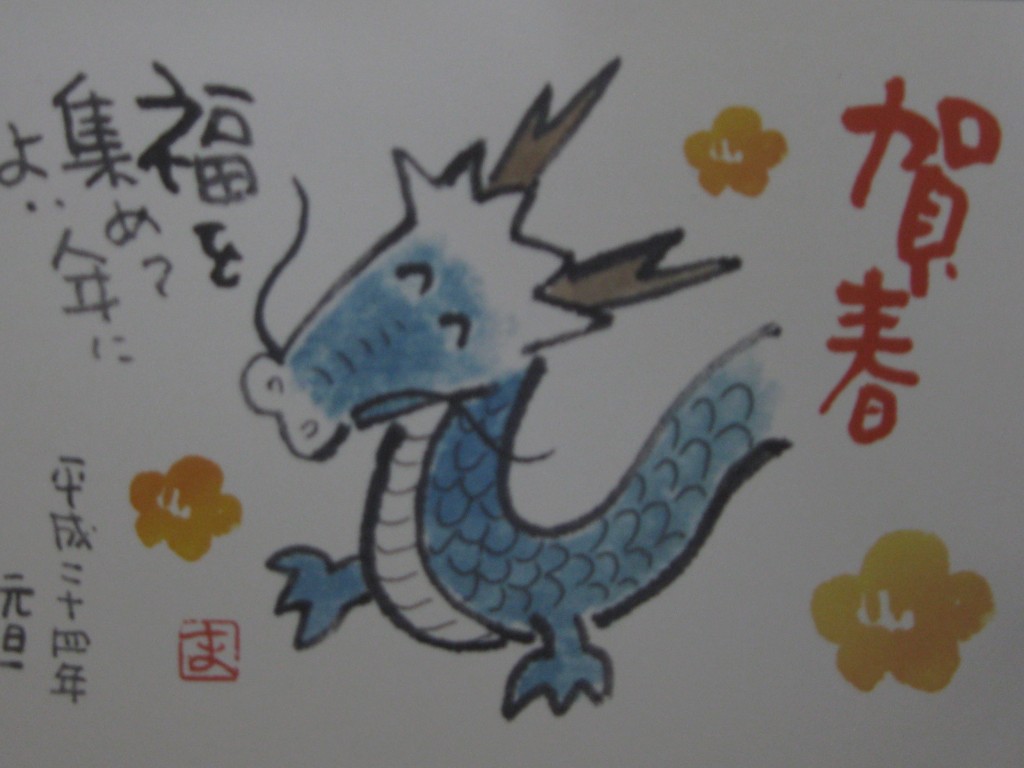
Get set for the year of the dragon

You could say that New Year is Japan’s equivalent to Christmas. It’s family-orientated, involves eating special food, and celebrates birth of a kind.  The decorations feature an evergreen tree, and instead of midnight mass, there are midnight visits to a shrine.

At the heart of the Japanese New Year is the notion of renewal.  In the Shinto view of life, the material world is subject to ‘pollution’ and depletion.  Rituals of purification and shrine visits help bring about revitalisation. The desire for renewal is what lies behind the 20 year cycle of rebuilding at Ise; it’s what lies behind the cult of newness in Japanese culture as a whole.  And that’s what the New Year is all about too – starting afresh.

Shuffling off the old

Getting ready for the New Year is serious business and takes up the end of December.  The preparations involve, above all, osoji (big cleaning).  The idea is that the home will be cleansed of negative energy and receptive to ancestral spirits.  It’s the Japanese equivalent of spring cleaning – which originally it was, more or less.  In 1873 Japan moved from the traditional Chinese-style calendar (based on the lunar cycle) to the Gregorian calendar, as a result of which the New Year moved from late January/ February to its present position.

The physical cleaning before New Year is matched by an emotional clean-out – wiping one’s mind clear of the debts and favours of the past year.  This entails settling business accounts, mending relationships, offering thanks and tidying up personal affairs.  There’s a sense of satisfaction in starting the New Year by having finished off the old one properly.

There are parties too ‘to forget the old year’ (bonenkai), usually with work colleagues.  In these office parties, drunkenness washes away concerns about propriety and rank.  Like Saturnalia, the conventions of everyday life are overturned in cathartic manner. Purged in this way, one is ready to truly start afresh.
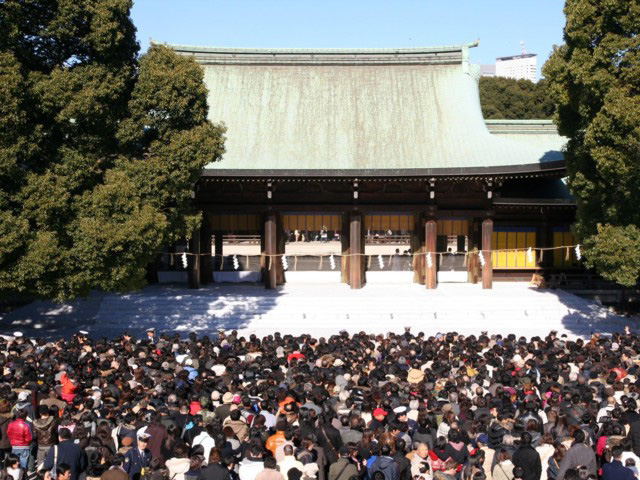
Move along please! Meiji Jingu at New Year is packed, so if you like being crushed this is the place for you....


Syncretic celebration

The way Shinto and Buddhism complement each other is never more clearly seen than on the night of Dec. 31. Buddhism is other-worldly, concerned with individual salvation.  Shinto is this-worldly, concerned with rites of passage and social well-being.  At New Year the two religions come together like yin and yang, either side of midnight.  Buddhism sees out the death of the old; Shinto celebrates the birth of the new.

In the dying minutes of the year, people line up at a Buddhist temple to hear the bell riing, or to ring it themselves. By tradition it is rung 108 times, once for every attachment that plagues the human condition.  The atmosphere is solemn, and in the darkness the booming of the large bell carries with it a mournful feel.
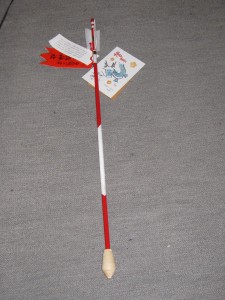
New Year fortune arrow to dispell negativity and help you hit your new year's target

Afterwards, by way of contrast, it’s fun to head straight for a shrine to pick up arrow and amulets for protection through the coming year. Following the contemplative pre-midnight atmosphere comes the a celebrative mood. Suddenly there are laughing voices, bright kimono, and gaudy lights.  Stalls with aspiring yakuza sell candy floss and goldfish.  Here all is jollity and smiles.

‘Akemashite omedeto’ (Congratulations on the New Year) is heard on every side, as people toss coins into offertory boxes over the heads of those in front.  Hot saké is served spiced with ginger.  Young women in kimono stand huddled over their fortune slips. With the blessing of the kami, the Year of the Dragon will surely turn out to be a good one.

Traditions and customs

New Year is a time of special food too – osechi ryori – beautifully displayed in lunch boxes as only the Japanese can do.  The custom originated with the Heian aristocracy, for whom New Year’s Day was one of the five seasonal festivals.  Since it was taboo to cook during the three day event, food was prepared beforehand.

The New Year food is a feast for the eyes as much as the stomach, full of symbols and auspicious elements. There’s tai fish to signify ‘medetai’ (congratulations), and black beans as a wish for good health (mame can mean bean and health).  Broiled fish cake (kamaboko) is laid out in red and white layers, traditional colours of celebration and suggestive of the rising sun.
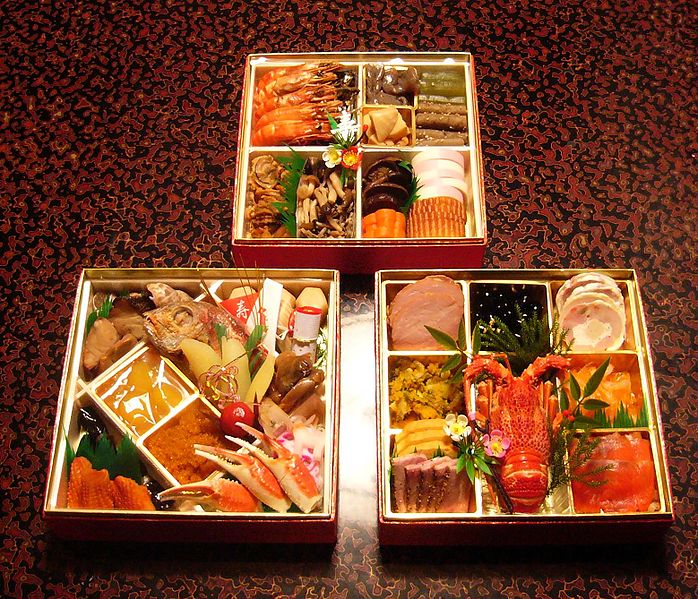
Traditional New Year's fare: a feast for the eyes (photo courtesy of Wikipedia)


Although the first shrine visit of the year (hatsumode) is supposed to be done within the first three days of the year, people pay respects for several days afterwards.  Each year has its own auspicious direction, calculated by Chinese astrology, and one’s supposed to visit the shrine that lies in that direction though few actually follow the convention.  It seems the majority of Japanese visit a shrine at some point, though attendance is difficult to interpret since some people may visit two or more shrines.

Numbers are eagerly collected, as if like GDP they reflect the well-being of the nation.  Meiji Jingu tops the rankings, with just over three million visitors (who counts them, one wonders).  In the Kansai region Fushimi Inari comes top with over two and a half million – one reason why I’ve never dared visit it at New Year, much as I love the place.

From now on the New Year is all about firstness and freshness.  There’s the first dream of the year, which if it is about Mt Fuji, a hawk or an aubergine (!) is held to be particularly auspicious.  There’s the first snowfall, the first sign of spring, and the year’s first haiku…

A new year dawning:
First snow on Hiei’s sacred peak
Forms a fresh sheet

One interesting custom is the giving of money to children, known as toshidama. Toshi is the year, and dama is its soul or spirit – so it’s as if one is renewing the spirit of the year through the gift.  No doubt the money helps give extra vigour to the young!
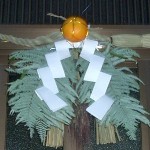
Kyoto-style New Year decoration (courtesy of japan.visitor)

Decorations

The traditional decoration is a length of shimenawa (sacred rice rope), festooned with ferns and the stem of a bitter orange, which is hung on the door.   The fern is an evergreen and a symbol of the lifeforce, while the bitter orange is called daidai, which can also mean ‘generation to generation’.  It shows the continuing vitality of the household.
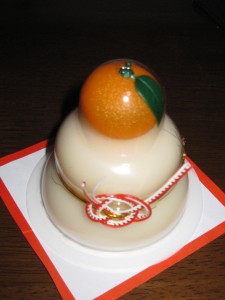
Commercially produced kagami mochi with daidai orange on top. The red and white wrapping signifies congratulations.

It’s customary at this time of year to have steamed rice cake (mochi). This was traditionally done by pounding it by hand and eating fresh, but nowadays supermarkets are filled with plastic packages containing two circular rice cakes on top of each other surmounted by a bitter orange.

Rice is a symbol of fertility, and the mochi cakes symbolise renewal of vigour through the eating of rice. Circular cakes are known as kagami mochi (mirror rice cakes). According to tradition, the sun-goddess Amaterasu presented her grandson with a circular mirror and told him to treat it as if it were her very self.  It’s why mirrors are often used in shrines as the sacred ‘spirit-body’ of the kami.  In this sense partaking of the round mochi is a kind of sacrament, the Japanese equivalent of communion.  The rice in the mochi

The prime symbol of the New Year are the kadomatsu decorations seen in front of stores and large buildings. These can be grandiose affairs, and consist of three upright pieces of bamboo of differing length to represent the Taoist triad of heaven, earth and human.

Pine and plum branches complete the arrangment – pine not only as a symbol of constancy and vitality, but because the needles ward off evil spirits.  The plum symbolises the promise of spring (before cherry blossom, the plum was Japan’s favourite tree for its early flowering amidst the austerity of winter.)  Bamboo stands for persistence, a much admired trait among Japanese.
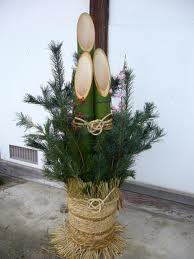
Kadomatsu (literally 'pine placed before the gate'), a traditional New Year decoration


The dragon is a magical creature, seen as a messenger from heaven.  It moves freely in air and water, combining yin and yang, and it possesses something of all Five Chinese Elements.  Unlike the monster of the Western tradition, the dragon is looked on as an auspicious creature of spiritual import, which is why it adorns the ceilings of Zen monasteries.  In Shinto shrines, it’s usually seen at the water-basin dispensing the water through its mouth.  Let us hope that the dragon spells for us too a magical year.
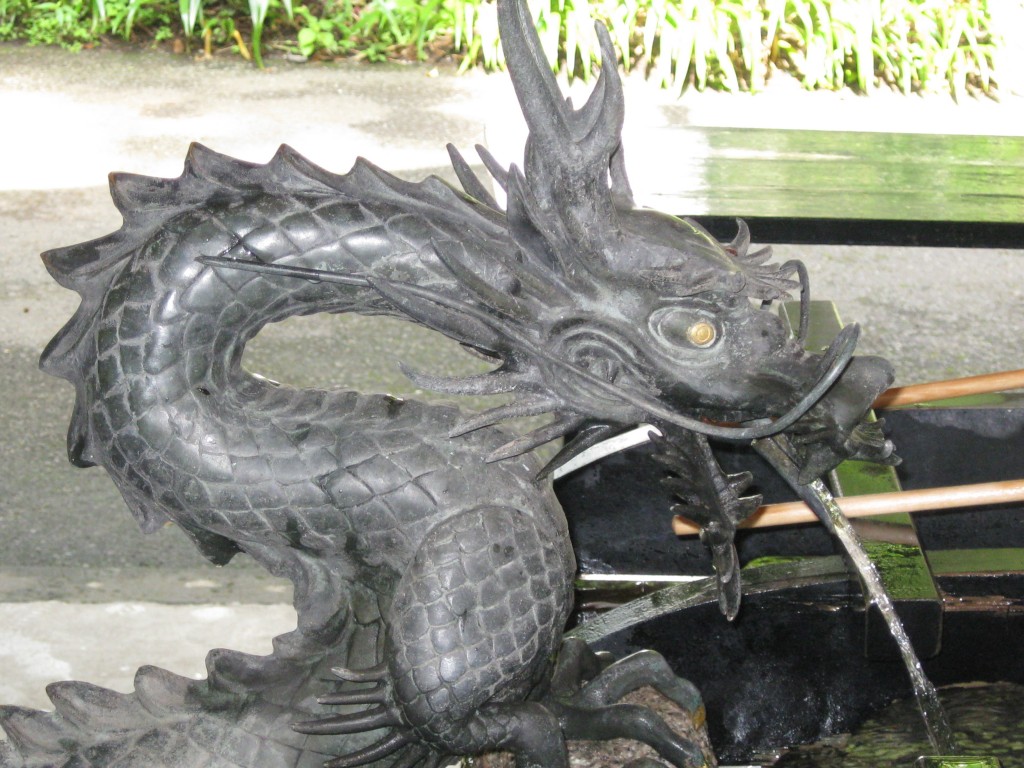
                       WITH BEST WISHES FOR A GOOD 2012 TO ONE AND ALL!!


Animism trumps Ancestor Worship

Shinto as nature worship

Animism versus ancestors
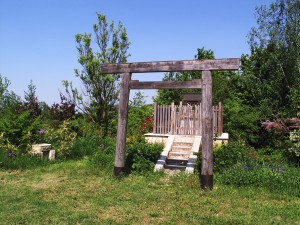
Is Shinto a nature religion? It’s often referred to that way, but the truth is that it’s much more complicated. Animism is married to ancestor worship and tribalism. If you look at the major shrines, nature spirits comprise a small percentage of the kami being worshipped. The vast majority are former humans – either past emperors, or clan founders, or legendary figures, or angry spirits needing to be placated.

Commentators have long argued about the true essence of Shinto: animism or ancestor worship. W.G. Aston and others affirmed the primacy of nature worship, since its roots are so much older than ancestor worship. Some even trace the roots back to the Jomon Period.

Lafcadio Hearn, however, believed that the defining characteristic of the Japanese mindset was ancestor worship, and a scholar named Sato in an article for Japanese Religions (Vol. 3, no. 1) argued that the simple nature worship of old could not be considered ‘Shinto’. Only with the introduction of ancestor worship did the concept of Shinto as an essentially Japanese religion arise. It is precisely for that reason that Shinto is sometimes described as a tribal religion, or as a religion of Japaneseness.

Shinto as ancestor worship

The advent of ancestral kami

In ‘Kami, Death and Ancestral Kami’, published in the Proceedings of the Second International Congress on Shinto Studies (1955), Delmer Brown examines how exactly the worship of ancestral kami might have been conjoined to the animism of old.  The problem, as he sees it, is why the souls of dead people should come to be worshipped by a religion that saw death as pollution? After all, the shamanistic belief of ancient times worshipped vitality in nature. Blood, disease and association with death were shunned.

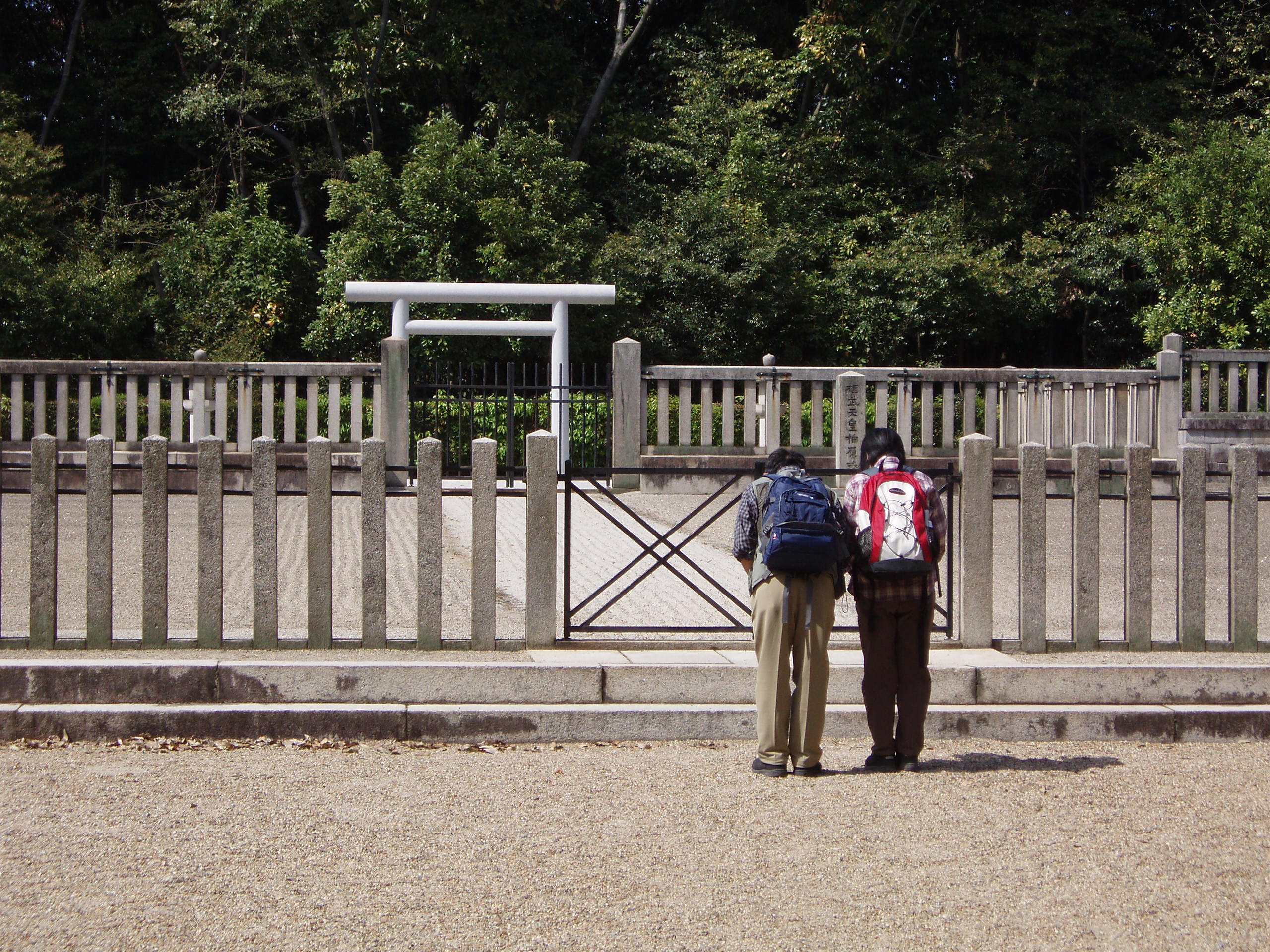
Brown’s starting point is that nature worship was originally centred around agricultural rites to do with the rice harvest. Completely separate from this was the veneration of dead heroes. Burial tombs were filled with valuable objects to accompany them. Were these to console the dead spirit, given as offerings, or simply a disposal method of ‘polluted items’? Altar-like knolls at the side of the burial tombs may have been places to hold rituals, but were they celebrating the dead, trying to secure for them a good afterlife, or performing genealogical rites of succession? No one can be sure.

According to Brown, it was during the sixth century that some of the leading clans began to foster belief that their putative founders should be worshipped as kami.   It was a time of instability when clans sought legitimacy, and the idea was stimulated by the introduction from China of more advanced forms of ancestor worship. These founder kami were idealized rather than real historical figures, belonging in the realm of mythology (Amaterasu, the sun-goddess, would be an example).  Later they were incorporated into the mythology of Kojiki (712) and Nihon shoki (720)

From idealised to real ancestral kami

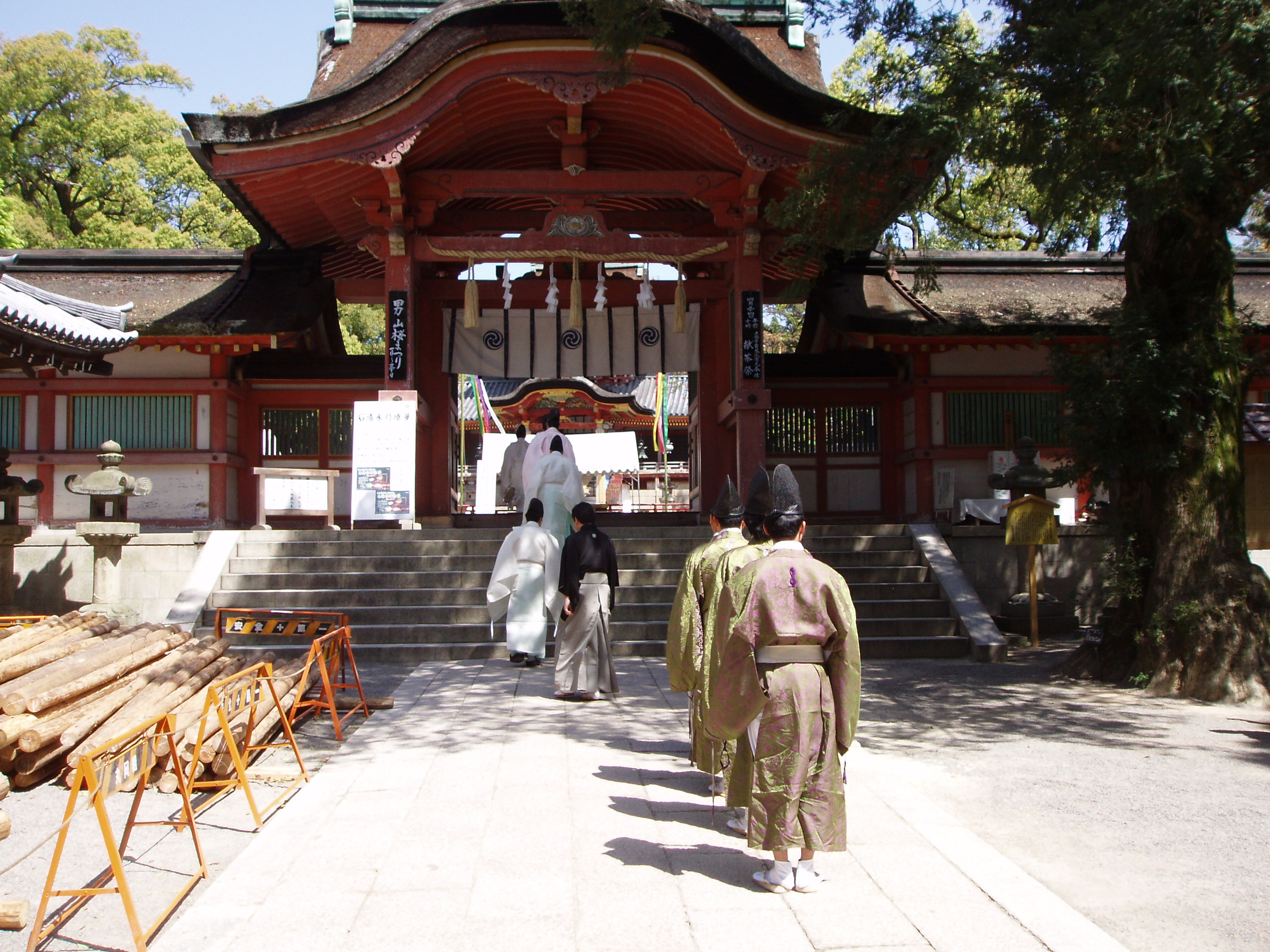
Shrine priests entering into Iwashimizu Hachiman-gu, dedicated to an ancestor of the emperor

During the eighth and ninth centuries a further development took place, with the notion of former emperors being kami. The first instance was the announcement of Hachiman as the spirit of the late third-century Emperor Ojin.  Afterwards Hachiman was celebrated at court as an ancestral kami of the emperor, and the Iwashimizu Hachiman Shrine dedicated to that end was on occasion ranked even higher than Ise.

After the introduction of the Hachiman-Ojin idea came worship of the spirits of other deceased persons, all of whom were members of the ruling class: Sugawara Michizane as Tenjin, for example.  Later still came deification of leaders such as Hideyoshi, Ieyasu, and several daimyo. For Delmer Brown this shows that the practice of making kami out of ancestors was essentially an agency of state practised by the ruling class and not affecting folk practices.

‘It seems safe to conclude that the worship of ancestral kami, and of souls of the dead, emerged very slowly in Japanese history and never became central to the Shinto faith,’ he writes. To my surprise, Brown’s examination of ancestor worship thus ends by suggesting that the true essence of Shinto is animism after all.  It endorses those who see nature worship rather than the legitimation of state as the basis of the religion.


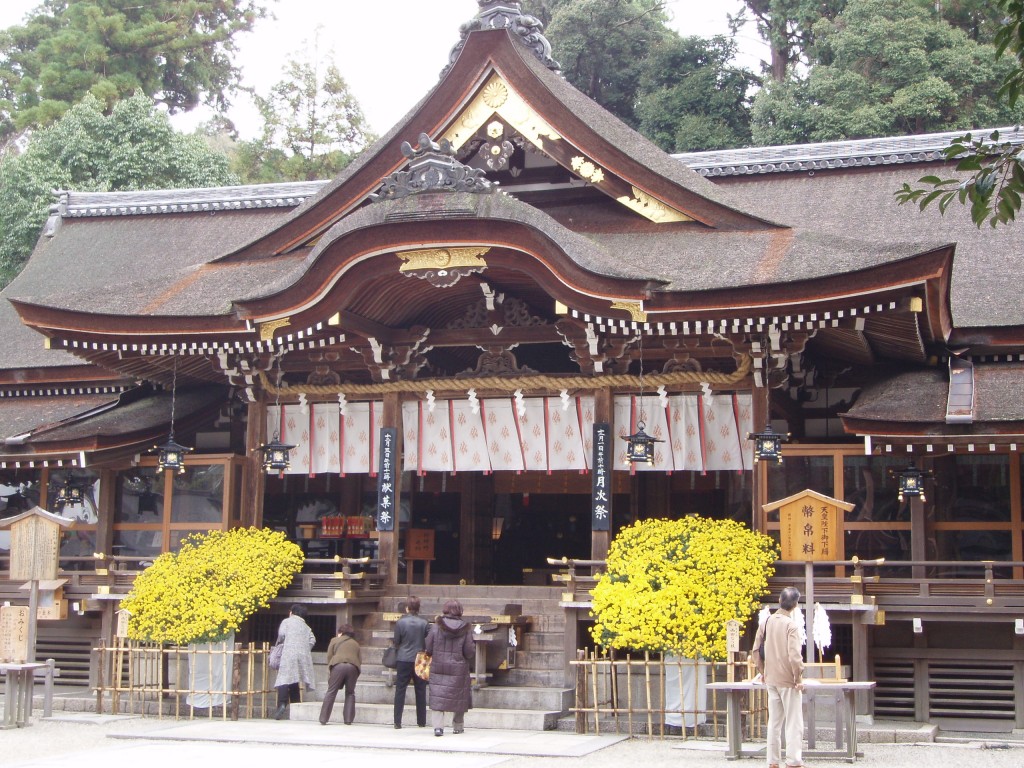
Primal Shinto at Omiwa Jinja, with direct worship of the mountain

Manyoshu (Part Two)

A previous posting noted how the eighth-century poetry compilation, Manyoshu is permeated with a proto-Shinto sentiment.  I’ve now come across another article on the subject by Furukawa Teishi.  It’s entitled ‘The Tradition of Sei-mei-shin’ and was included in the Proceedings of the Second International Confererence on Shinto Studies published in 1955.

Furukawa’s article comes up with an interesting statistic.  The words kiyoshi (clean) and sayakeshi (refreshing) occur about a hundred times…  a ratio of once to every forty poems or so.  In addition, there are terms like akirakeku (bright, clear) and sayakani (clear, clean).  It reflects an aesthetic of purity, by which beauty is associated with a lustrous quality. (Interesting, isn’t it, how kirei in Japanese means both clean and beautiful.)

In Manyoshu such words are generally applied to nature, but they occasionally take on a moral overtone:


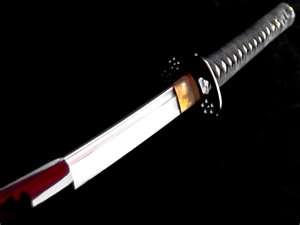
Polish it like a double-edged sword,
Make it ever bright –  the name
Borne through ages, clean and without spot!


Misogi (cold water purification) also features, used with the obvious intention of marrying the external cleansing to a pure heart.  Furukawa provides an example, though no explanation is given for the rather puzzling nature of the verse.  What’s with the poet’s wife exactly?

Clean precious riverbed
In it do I purify myself
For my wife’s sake

(tamakuze no/kiyoku kahara mi/misogi shite/iware inochi wa/imo ga tame koso)

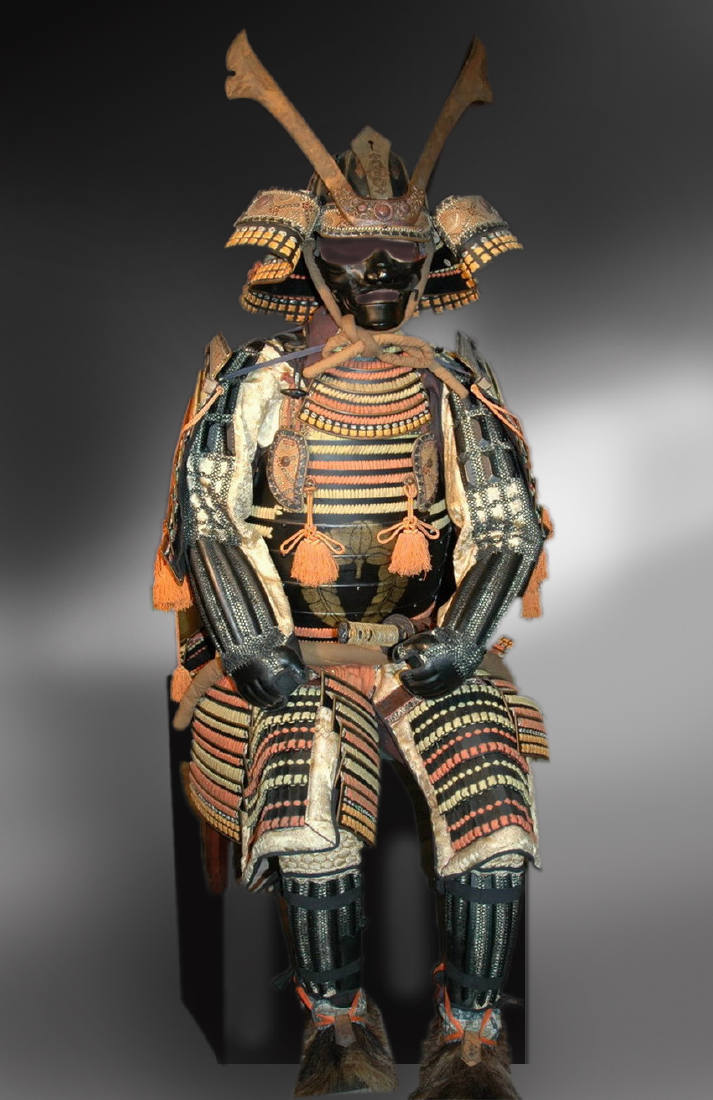
Furukawa finishes his article by taking up the notion of seimei (cleanliness) and the sei-mei-shin (clean bright heart) in Japanese culture.  He sees these qualities as central, leading to a favouring in cultural terms of harmony, sincerity and obedience.  This is expressed above all in bushido, the samurai code, where bravery and purity of soul is allied to makoto (sincerity, integrity) derived from Confucianism. In Manyoshu poetry, then, lie the seeds of the samurai spirit.

Polish your sword: polish your heart!

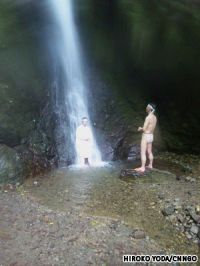
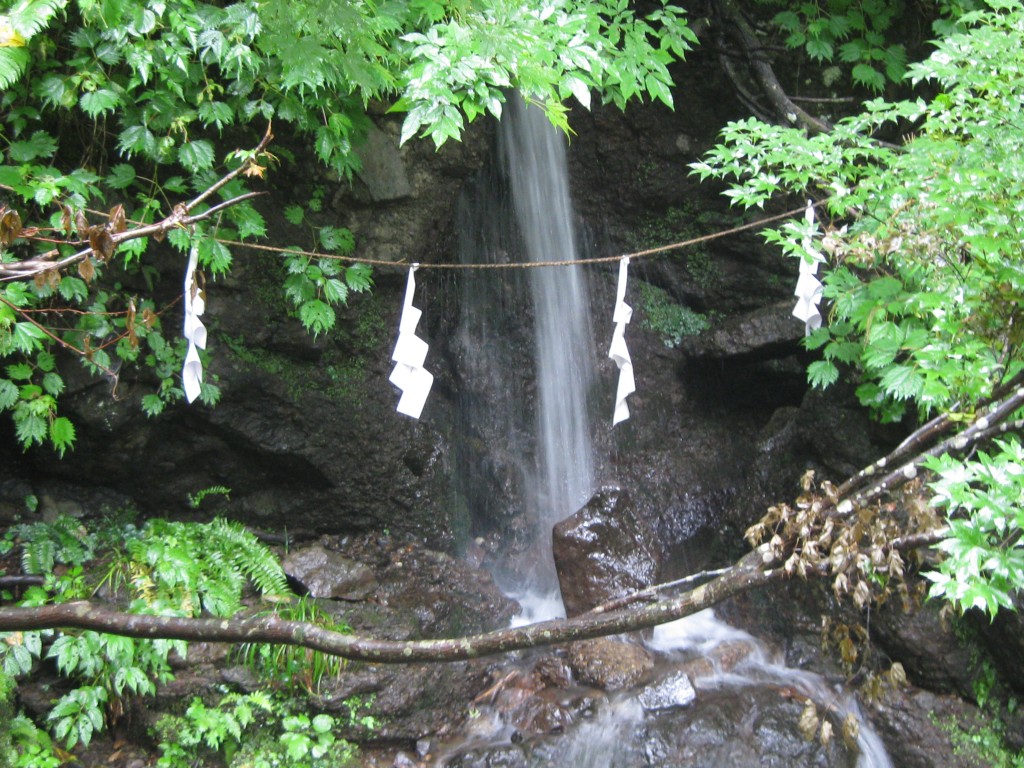
Waterfall misogi (takigyo)

It seems there’s a boom in mountain asceticism.  This month’s Kansai Scene had a piece on experiencing shugendo (see here).  This morning Japan Today writes of a three-day programme on Mount Mitake, about an hour from Tokyo by train.  Cold water austerity doesn’t come in more dramatic form than under a mountain waterfall.

Attempting to meditate while being deluged in freezing water!

The programme is run by Seizan-so Lodge near the Musashi-Mitake shrine and consists of rising before dawn, hiking in the mountains, semi-fasting and meditating while standing under a mountain waterfall – if you can bear it.

The Japan Today piece is an experiential account by Hiroko Yoda, an experienced trail runner.  “Hashimoto-sensei leads me and several others in our training,” she writes.  “As we stride through the crisp mountain breezes he advises us to think of them as the breath of mountain gods.  It helps cut the cold, and the greens of the forest give way to beautiful reds and yellows as we work our way up the peak.”

The highlight comes with a nighttime misogi.  “A thick fog covered everything in what would have been a whiteout if it hadn’t been pitch black. Sensei led the way with a flashlight. The forest around us seemed alive. We heard a flying squirrel cry out.

When I stepped under the falls, I was shocked to find it feeling almost warm!  Perhaps I’d gotten used to it over the course of my “training.” I called out the chant Sensei had taught us, a plea to the gods of purification: “HARAEDO NO OKAMI!!! HARAEDO NO OKAMI!!!”

The revivifying nature of the cold water has a striking effect: “I was so pumped up afterwards, I felt downright superhuman. Able to leap tall waterfalls and crush rocks with my bare hands. Talk about a natural high.”

Standing in a freezing mountain stream may not be everyone’s idea of fun, but there will be a lot of people mired in a mundane life who are yearning for a spiritual high.  Why not stiffen the sinews, summon up the blood, gird your loins and give it a go!

******************************************************************************************************

For the full account in Japan Today, see here.

The three-day programme is run by Seizan-so Lodge (Japanese skills essential), 43 Mitake-san, Ome City, Tokyo.  Tel: (0428) 78 8798.  Japanese website and prices: http://www.seizan.gr.jp/syugyou.htm   Further information in English at this website: http://templelodging.com/spot/03kanto/mitake005.html 

« Older posts Newer posts »

© 2026 Green Shinto

Theme by Anders NorénUp ↑